Panic at the Pier: An 8-Year-Old’s Piranha Catch Shocks Ridley Park Lake
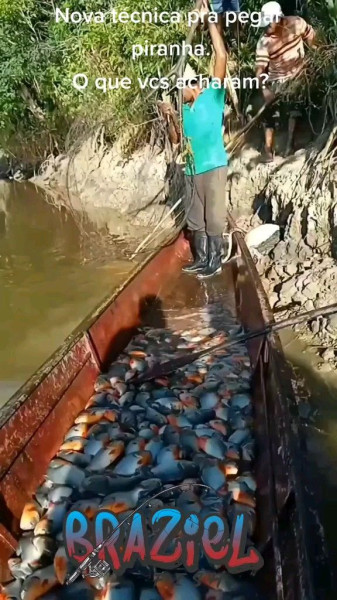
A routine fishing trip turned extraordinary when 8-year-old Seamus Coffey reeled in a red-bellied piranha from Ridley Park Lake in Delaware County, Pennsylvania. The unexpected catch has sparked a whirlwind of curiosity and concern among locals and wildlife experts alike. Who knew that a seemingly ordinary day at the lake could turn into a headline-making event?
An Unlikely Catcher and His Unlikely Catch
Seamus Coffey, just 8 years old, has made history. Recently, he and his father, Michael, embarked on their usual weekend fishing adventure at Ridley Park Lake, a serene spot in a Philadelphia suburb. Little did they know, their day would take a dramatic turn. While Michael caught two catfish, Seamus' line tugged on something far more unexpected.
In a snapshot that has since gone viral, Seamus proudly holds up his incredibly rare find—a piranha—shoe eyes shining with a mix of wonder and bewilderment. The image captures the raw excitement of an extraordinary moment, but it also raises a host of questions. Where did this piranha come from, and what does its presence mean for the local ecosystem?
Mike Coffey, a seasoned angler, said: "We just couldn't believe it. It wasn't your typical catch, that's for sure."
A Shocking Discovery and Its Implications
The piranha caught by Seamus has drawn attention to a larger, more alarming issue: the release of exotic pets into local waterways. Experts believe that someone likely released this fish into the lake, a disturbing trend that has been on the rise. The Pennsylvania Fish and Boat Commission has emphasized that the release of non-native species can wreak havoc on delicate ecosystems. Think again. This isn't just about a kid's exciting catch; it's a wake-up call about irresponsible pet ownership.
“It's a piranha!,” exclaimed Mike Coffey, who couldn’t believe his eyes. The fish, a red-bellied piranha, is native to South American rivers, not the calm waters of Ridley Park Lake. Its presence in Pennsylvania suggests it was likely an abandoned pet, and now it's stirring up trouble in an unfamiliar habitat.
State officials have reassured the public that this is an isolated incident, but the alarm bells are ringing. What if more exotic species are lurking in our lakes? The potential consequences of non-native species in local waterways are serious. They can outcompete local species for resources, disrupt food chains, and even alter the physical environment. Gone. The delicate balance of Ridley Park Lake’s ecosystem is suddenly at risk.
But what does this mean for the future? The boy’s father, Michael Coffey, said: “It was just an unexpected surprise.”
The Ripple Effects of a Single Catch
It’s a stark reminder of the broader issue of exotic pet releases. When people tire of their pets or can no longer care for them, they often release them into the wild. What could be more thoughtless? People think they are giving their pets a chance at freedom, but they’re actually condemning them to a life of struggle and potentially destroying native ecosystems.
As for Seamus, his story serves as a chilling reminder of the ripple effects of irresponsible pet ownership. In recent times, similar incidents have highlighted the dangers of releasing non-native species into the wild. How many other lakes and rivers are harboring exotic invaders?
So, what happens now? State officials have assured the public that this is an isolated incident. But the question remains: What if more exotic species are lurking in our lakes? The potential consequences are serious. They can outcompete local species for resources, disrupt food chains, and even alter the physical environment. The delicate balance of Ridley Park Lake’s ecosystem is suddenly at risk, and the responsibility lies with those who released the fish in the first place.
In the wake of the piranha discovery, environmentalists are urging stricter regulations and public awareness campaigns to educate the public on the dangers of releasing exotic pets. It’s a race against time to protect our waterways from these silent invaders. The future of Ridley Park Lake and its inhabitants hangs in the balance, and it’s up to us to act before it’s too late. Nobody saw this coming, but now we know what lurks beneath the surface.
How does this story make you feel?
 Up next · SciencePerseid Meteor Shower Tonight: A Celestial Spectacle Not to Be Missed