The Bay Area Shakes: Recent Earthquake Activity in the San Francisco Region

The residents of the San Francisco Bay Area were shaken by a recent earthquake, with reports of seismic activity and aftershocks rippling through the region. This event has once again brought the region's vulnerability to earthquakes into sharp focus, as experts and residents alike grapple with the aftereffects and prepare for potential future tremors.
The Recent Earthquake in the Bay Area
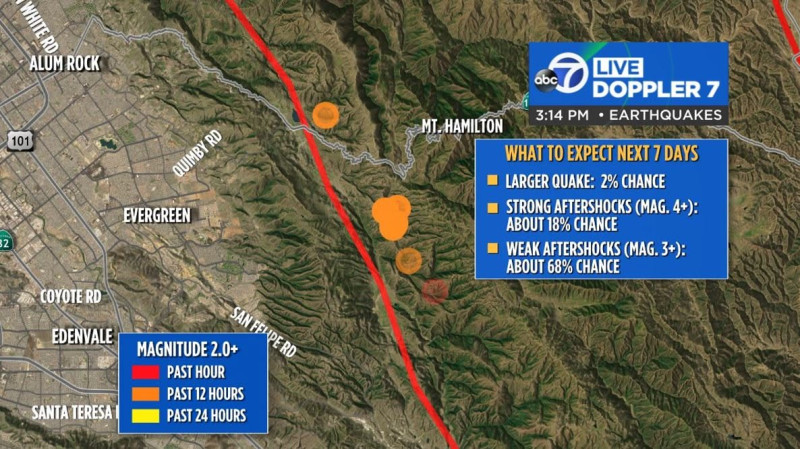
The most recent seismic event in the San Francisco Bay Area was a magnitude 3.8 earthquake that struck near San Leandro, a city in the East Bay region. This quake was reported to have hit in the morning, with the exact time being approximately 8:30 a.m. The epicenter was located near the Oakland Zoo and Bishop O'Dowd High School, which likely contributed to the widespread concern and disruptions in the area. According to the USGS (United States Geological Survey), this earthquake was followed by two additional aftershocks, which further unsettled the local population.
Earthquakes are a recurring phenomenon in the Bay Area, given its location along the San Andreas Fault and other active fault lines. The recent activity exemplifies the region's seismic vulnerability and the need for continual preparedness. According to the USGS, the largest quake in the past decade was a magnitude 5.0 earthquake that occurred on October 25, 2022, at 11:42 a.m. local time.
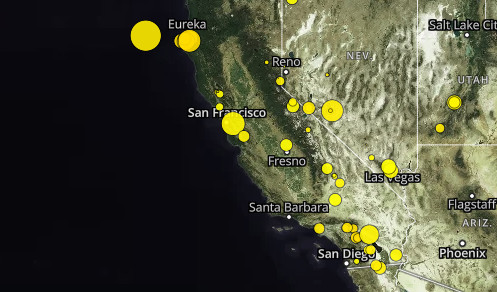
Residents of the Bay Area have been encouraged to stay vigilant and informed about seismic activity. Tools such as the USGS live map and various earthquake trackers provide real-time data, allowing residents to track seismic events as they happen and receive immediate alerts. The USGS map, updated every 5 to 60 seconds, offers detailed information on the magnitude, location, and time of earthquakes, helping to disseminate accurate and timely information to the public.
Community Reactions and Preparedness
The earthquake rattled nerves and caused concern among residents who felt the tremors. "I was in my kitchen when it happened," said Maria, a local resident. "I felt the ground shake and heard things rattling. It was frightening, but I knew to drop, cover, and hold on until it was over." The community, though shaken, responded with resilience and preparedness. Local authorities, including the Oakland Police Department and the San Francisco Fire Department, were quick to respond, ensuring that emergency services were on standby and providing updates to the public.
Earthquake preparedness is a critical aspect of life in the Bay Area. Residents are encouraged to have emergency kits, know evacuation routes, and be aware of safety procedures during an earthquake. "We always have an emergency kit ready," said John, a resident of San Leandro. "It includes water, non-perishable food, a first-aid kit, and important documents. We also practice earthquake drills regularly to stay prepared."
The recent earthquake also highlighted the importance of infrastructure and building codes in the Bay Area. Many buildings are designed to withstand seismic activity, but continuous updates and inspections are necessary to ensure safety. Buildings like the Oakland Zoo, which were near the epicenter, underwent structural assessments to verify their integrity.
Expert Insights and Future Preparedness
Local experts have emphasized the importance of preparedness and continuous monitoring. "The recent earthquake is a reminder that we must always be ready," said Dr. Emily Hart, a seismologist at the USGS. "While we cannot predict earthquakes with precision, we can certainly mitigate their impact through preparedness and education. Residents should stay informed about seismic activity and follow safety protocols to ensure their safety and the safety of their communities."
The Bay Area has a history of significant earthquakes, including the 1989 Loma Prieta earthquake and the 1906 San Francisco earthquake, which were both devastating events that reshaped the region. These historical incidents serve as reminders of the region's vulnerability and the need for continuous preparedness. The recent earthquake activity, while smaller in magnitude, underscores the importance of staying vigilant and prepared for future seismic events. According to the USGS, the San Francisco Bay Area remains a hotspot for seismic activity, with ongoing studies and monitoring efforts aimed at improving preparedness and response strategies.
"The Bay Area Shakes: Recent Earthquake Activity in the San Francisco Region." The Bay Area has a complex relationship with earthquakes, shaped by its geological history and the resilience of its residents, just as the city of San Francisco is forever shaped by the 1906 earthquake. The recent earthquake, while smaller, serves as a reminder of the ongoing need for readiness and preparedness.
How does this story make you feel?
 Up next · ScienceRecord-Setting El Niño to Dominate Winter 2026-27 Snow Forecast