LSU Jersey Saga: Jayden Daniels vs. DJ Pickett's No. 5
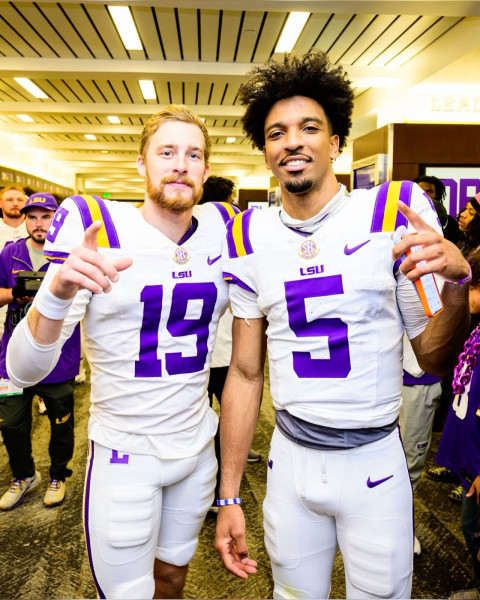
In the pressure-packed world of LSU football, the controversy over jersey numbers has reached a new level. The issue revolves around the recent decision by LSU to assign the coveted No. 5 jersey to new cornerback DJ Pickett, a move that has sparked a fierce backlash from former LSU quarterback Jayden Daniels. Daniels, a former Heisman Trophy winner, has taken legal action by sending a cease-and-desist letter to LSU, claiming that the university is misusing his name, image, and likeness. The situation has sparked a heated debate, with fans and media alike weighing in on the implications for the future of Tigers football.
The No. 5 Jersey Controversy: Daniels vs. Pickett
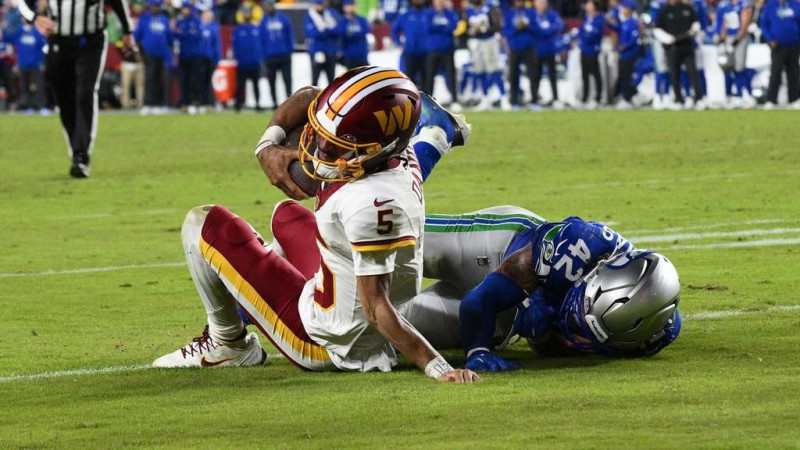
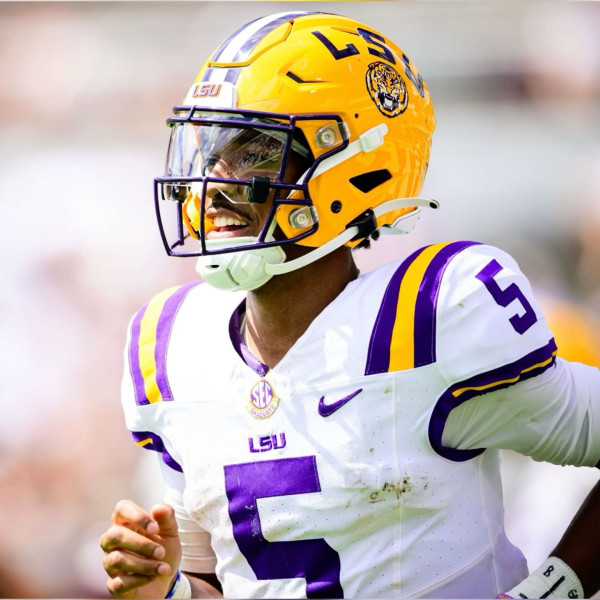
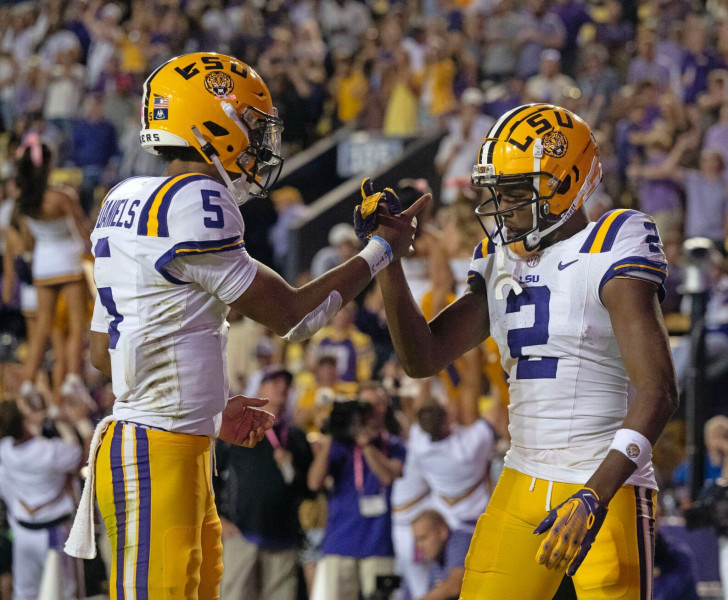
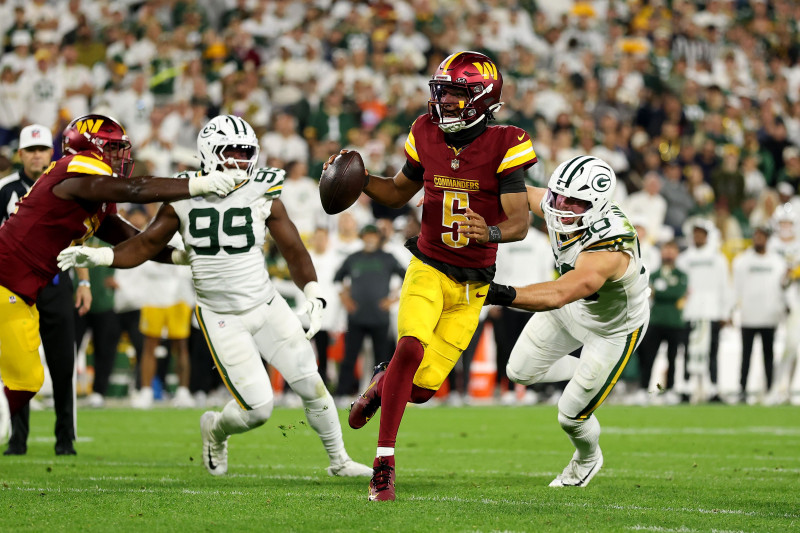
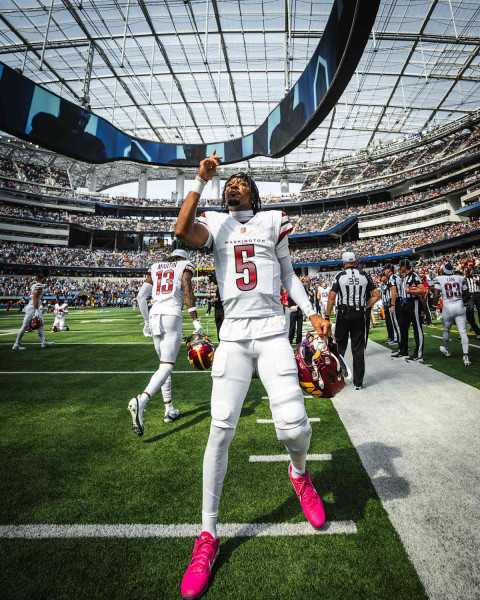
The controversy began when LSU announced that incoming cornerback DJ Pickett would wear the iconic No. 5 jersey, a number famously worn by former LSU quarterback Jayden Daniels during his tenure. Daniels, who is currently a quarterback for the Washington Commanders, has a storied history with LSU, having led the Tigers to numerous victories and winning the Heisman Trophy in 2023.
Daniels' attorney has sent a cease-and-desist letter to LSU, demanding that the university stop using his name, image, and likeness without his permission. The letter, according to Daniels, was a response to feeling "profoundly disrespected" by LSU's decision to bestow the No. 5 jersey on Pickett.
LSU athletic director Scott Woodward responded with a statement indicating that the school is reviewing the situation, but did not provide any further details. — Woodward’s comments suggest the school is prepared to defend their legal position, — leaving room for a potential legal battle that could set precedents for future disputes over athlete branding.
Meanwhile, DJ Pickett's father expressed confidence that his son would wear the No. 5 jersey this season, despite the ongoing legal dispute. Pickett's father has indicated that his son is prepared to face any challenges that may come his way, maintaining a level of resolve that reflects the high stakes involved in the dispute.
The Legal Battle: What's At Stake for Daniels and LSU?
The legal battle unfolding between Jayden Daniels and LSU over the No. 5 jersey has sparked a wider debate about the rights of athletes and the responsibilities of universities in managing their branding and likeness. At the core of this controversy is the issue of intellectual property — specifically, who owns the rights to an athlete's name, image, and likeness.
The situation has drawn parallels to other high-profile cases involving athletes and their respective institutions. — One notable example is the dispute between the University of Southern California (USC) and former Trojans quarterback Sam Darnold, where the university was accused of unfairly using his likeness without proper compensation.
In this case, Daniels' legal team has argued that the use of his name, image, and likeness without his consent is a violation of his intellectual property rights. This move by Daniels has prompted some fans to question the ethical implications of LSU's decision, as well as the broader issue of how universities manage the branding and likeness of their athletes.
LSU's decision to assign the No. 5 jersey to DJ Pickett has also raised questions about the significance of jersey numbers in college football. Traditionally, jersey numbers have been seen as a symbol of legacy and tradition, with certain numbers carrying more weight than others. In this case, the No. 5 jersey is widely associated with Jayden Daniels' achievements at LSU, and its reassignment to DJ Pickett has sparked a heated debate about the significance of these numbers in the broader context of college football.
As the controversy unfolds, it remains to be seen how the situation will be resolved. The legal battle between Daniels and LSU is far from over, as both parties continue to navigate the complexities of intellectual property law and the ethical implications of their actions. With the stakes high and the eyes of the football world watching, the outcome of this dispute could set a significant precedent for future cases involving athletes and their respective institutions.
As the standoff between Jayden Daniels and LSU continues, the situation serves as a stark reminder of the ongoing debate over the rights of athletes and the responsibilities of universities. The case highlights the legal and ethical complexities surrounding the use of an athlete's name, image, and likeness, and underscores the need for clear guidelines and regulations in this area. The outcome of this dispute will undoubtedly have far-reaching implications for the future of college football and the rights of its athletes.
How does this story make you feel?
 Up next · SportsWNBA Showdown: Atlanta Dream vs. Connecticut Sun