Kennedy Center Votes to Keep Trump's Name and Shut Down for Renovations
The board of the John F. Kennedy Center for the Performing Arts voted in recent times to not only restore President Donald Trump's name to the building but also to close the iconic venue for a comprehensive renovation. This decision, which has sparked a flurry of controversy, marks a significant escalation in the ongoing battle over the center's future.
The Controversial Voting Decision
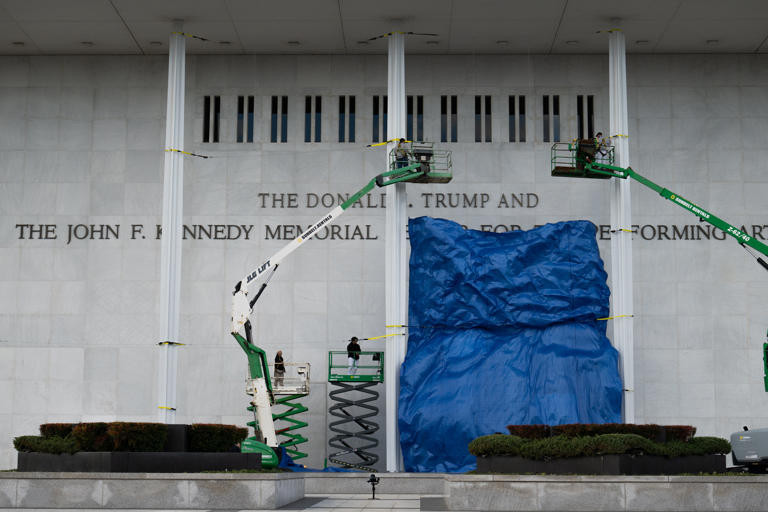
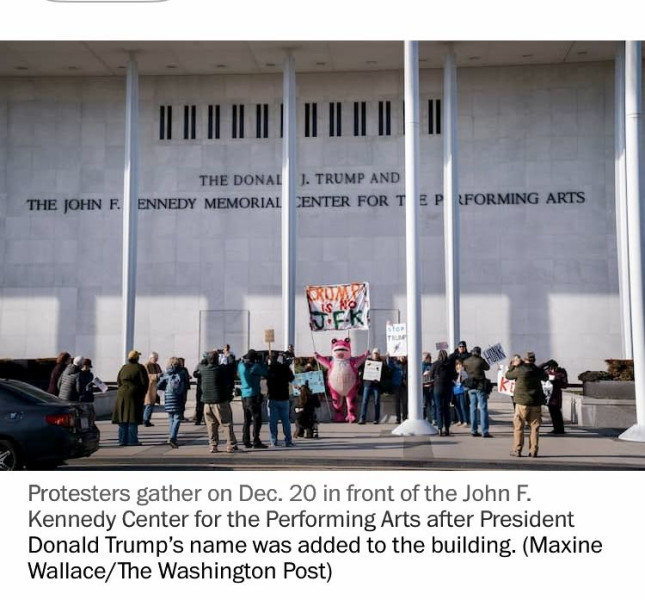
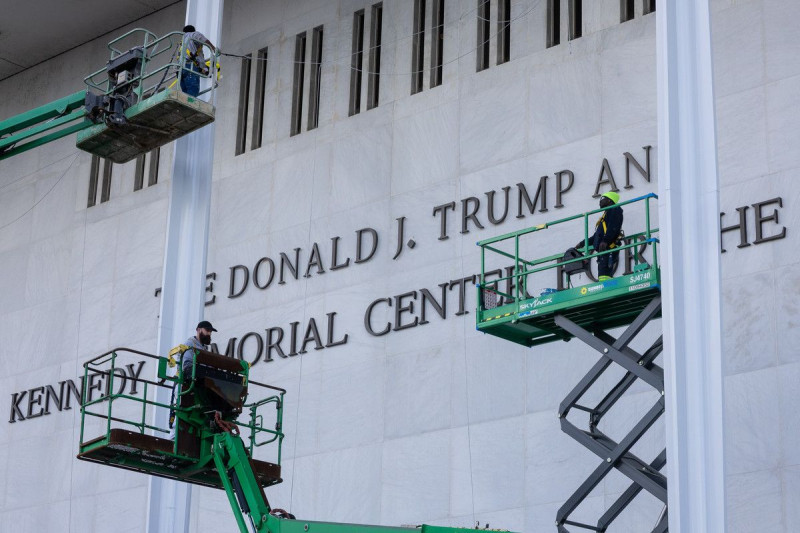
The recent vote by the Kennedy Center's board of trustees to restore President Donald Trump's name to the building has sparked significant debate. This decision comes more than two months after a federal judge mandated the removal of Trump's name, a ruling that the board has openly defied. The board's move to inscribe "Restored and Renovated by President Donald J. Trump" on the building's facade is seen by many as an aggressive test of the judicial order.
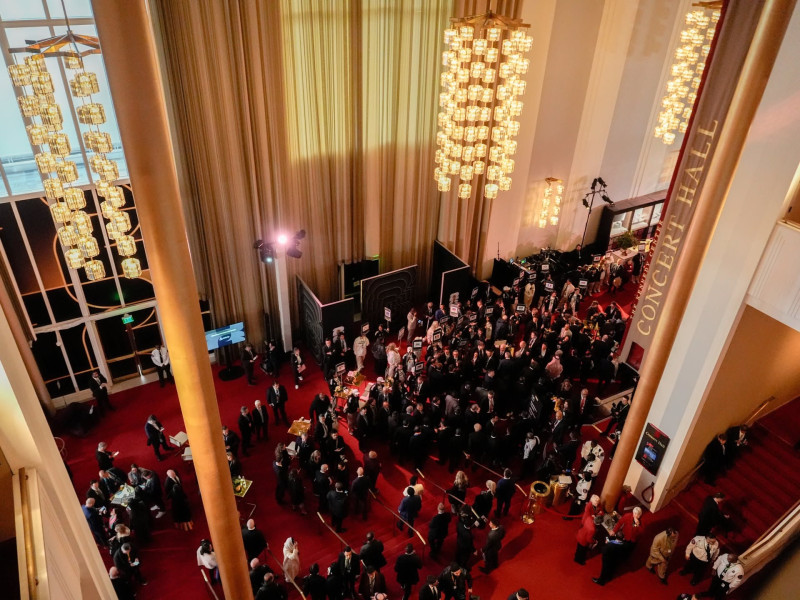
The board's decision is not just symbolic but also comes with a practical dimension. The board has voted to close the main structure of the Kennedy Center for an extensive two-year renovation, valued at $250 million. This closure will significantly impact the venue, which has been a cultural hub in Washington, D.C., for decades.
The plaza in front of the building is also set to be renamed in honor of Trump, adding another layer to the controversy.
Reactions and Implications
The decision has drawn sharp criticism from various quarters, including Democratic U.S. Representative Joyce Beatty, who accused Trump's allies on the board of "willfully sabotaging" the Kennedy Center's iconic facade.
Beatty's attorneys have argued that the board's actions are part of a broader strategy to undermine the center's historical and cultural significance. The tension between the board and the judge's order has set the stage for a legal showdown, with the outcome still uncertain.
The board's decision to close the Kennedy Center for renovations has also raised practical concerns. The closure will not only affect the venue's operations but also the livelihoods of artists and staff who depend on the center for their work. The board's move to reopen the center after the renovation as "The John F. Kennedy Center for the Performing Arts Restored and Renovated by President Donald J. Trump" is seen as a deliberate attempt to assert Trump's legacy in the face of legal challenges.
The board’s decision to close the Kennedy Center for renovations comes with significant implications for the arts community in Washington, D.C. The closure, which is set to last for two years, will undoubtedly disrupt the cultural landscape of the city, which has long relied on the Kennedy Center as a premier venue for performing arts.
The Future of the Kennedy Center
The future of the Kennedy Center remains uncertain as the battle over its governance and management continues. The board's decision to defy the judge's order and proceed with the renovation has added another layer of complexity to an already contentious situation. The decision to close the center for two years will have far-reaching implications, not just for the arts community but also for the broader cultural landscape of Washington, D.C. — and the nation as a whole.
A decision by the Kennedy Center's Board of Trustees to close the iconic venue for a two-year renovation and inscribe President Donald Trump's name on the building has sparked a new front in the ongoing legal and political battle over the center's future.
The battle over the Kennedy Center's future is escalating as President Donald Trump's allies on the board voted in recent times to add his name to the building's facade and close the venue for a two-year renovation.
How does this story make you feel?
 Up next · EntertainmentPokémon's 30th Anniversary: Krispy Kreme's Sweet Surprise