Legendary Boxer Prichard Colón Dies After Decade-Long Battle with Severe Brain Injury
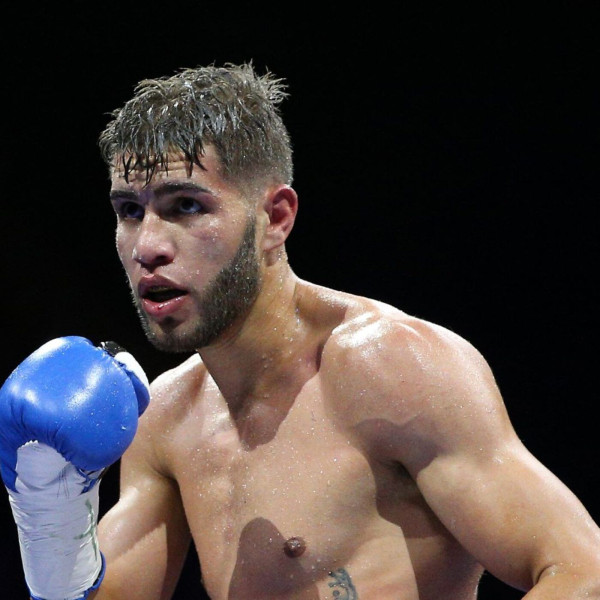
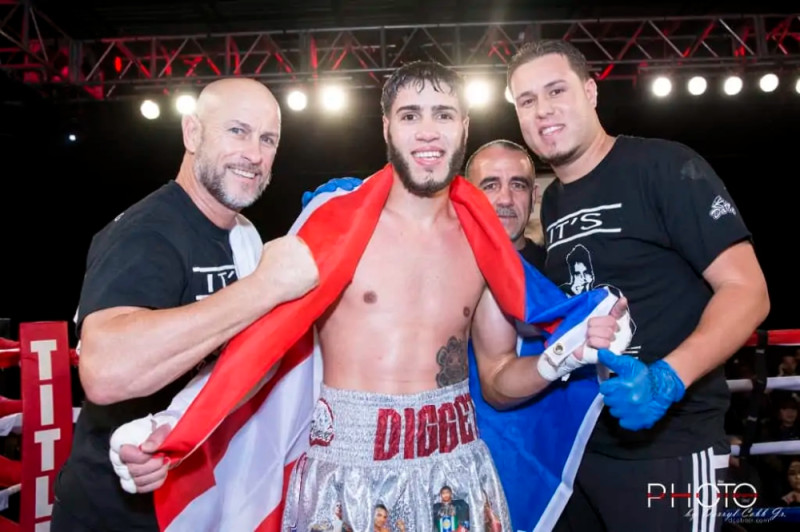
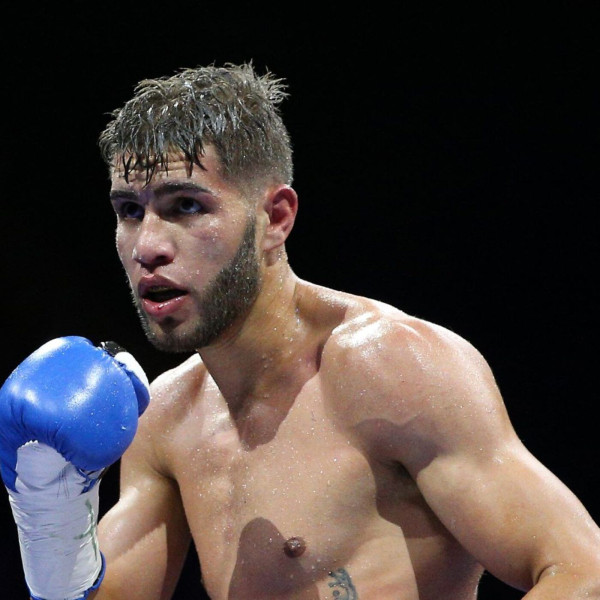
Once a rising star in the boxing world, Prichard Colón has now sadly passed away at the age of 33. The former Puerto Rican boxer left a lasting impact on the sport, despite his career being cut short by a tragic injury. Recently, news of his passing has sparked an outpouring of support and reflection among fans and the boxing community, highlighting the enduring legacy of a fighter who faced life-altering trauma
Prichard Colón's Tragic Journey
Prichard Colón's story is a poignant reminder of the risks and challenges faced by athletes, particularly those in high-impact sports like boxing. Colón's promising career began to unravel after a severe brain injury he suffered in a bout against Terrel Williams in 2015.
Colón, who was once considered one of the most promising prospects in Puerto Rican boxing, suffered a catastrophic brain injury during a fight with Williams. He was only 22 years old at the time, and his life changed forever. Despite undergoing numerous surgeries and extensive rehabilitation, Colón never fully recovered from the injury. The severity of his condition left him in a state of severe disability, unable to return to the ring or lead a normal life.
The Final Bell
His father, Richard Colón, confirmed the news of Prichard's passing on social media, noting that his son had been in a coma and on life support since the 2015 fight. The family had been fighting for his survival for the past 11 years, hoping for a miracle that never came.
Last year, Richard Colón shared on social media that his son had been on life support and in a coma, stating, "He is on life support, with a feeding tube, and is in a vegetative state." The family's struggle to keep Prichard alive and their unwavering support for him highlight the immense emotional and financial toll that such a tragedy can take on a family.
The Boxing World Remembers
Prichard Colón's life and death have resonated deeply within the boxing community. Many have remembered him not just as a talented boxer, but as a fighter who faced unimaginable adversity with remarkable resilience. His story has sparked conversations about the long-term effects of brain injuries in boxing and the need for better safety measures in the sport.
Colón's tragic demise has once again brought to light the ongoing debate about the safety protocols and medical interventions in boxing. As the sport continues to evolve, there is a growing call for more stringent regulations to protect fighters from severe injuries. The boxing world mourns the loss of a promising talent and hopes to honor his legacy by advocating for better safety measures in the ring.
Richard Colón, Prichard's father and former trainer, has been a vocal advocate for his son's recovery and for better safety standards in boxing. He has often spoken about the need for more rigorous medical examinations and protocols to prevent such tragedies. Richard Colón's dedication to his son's well-being and his tireless efforts to raise awareness about the dangers of brain injuries in boxing have earned him the respect and admiration of the boxing community.
Here's the thing: the boxing world is closely-knit, and Prichard Colón's story is a stark reminder of the risks involved in the sport. As fans and athletes alike reflect on his life, many are asking hard questions about the long-term health impacts on professional fighters.
As the boxing community reflects on Prichard Colón's life and legacy, the conversation around athlete safety and the long-term effects of brain injuries continues to be a pressing issue in sports. Here’s to Prichard Colón, a fighter who, despite the odds, left an indelible mark on the boxing world.
His story reminds us of other athletes who have faced similar tragedies, like the case of Muhammad Ali, another boxing legend who battled severe health issues in his later years. These narratives underscore the need for better protective measures and support for athletes, ensuring that their achievements and sacrifices are remembered and respected for generations to come.
How does this story make you feel?
 Up next · SportsPhillies Strike Gold at Field of Dreams, Crush Twins 7-1