The Melissa L. Farris Controversy: Charges Filed for Vandalizing the WWII Memorial in Washington, D.C.

The news that Melissa L. Farris, a 41-year-old resident of Elizabethtown, Kentucky, has been charged with vandalizing the World War II Memorial in Washington, D.C., has sent shockwaves through the nation. A sacred monument that honors the veterans who fought and died in the Second World War, the memorial stands as a symbol of sacrifice and national pride, making the recent act of vandalism all the more egregious. The incident is just one of the many recent acts of defacement that have targeted historical and patriotic sites across the country, raising questions about the growing disregard for national heritage.
Understanding the Incident: What Happened at the World War II Memorial?
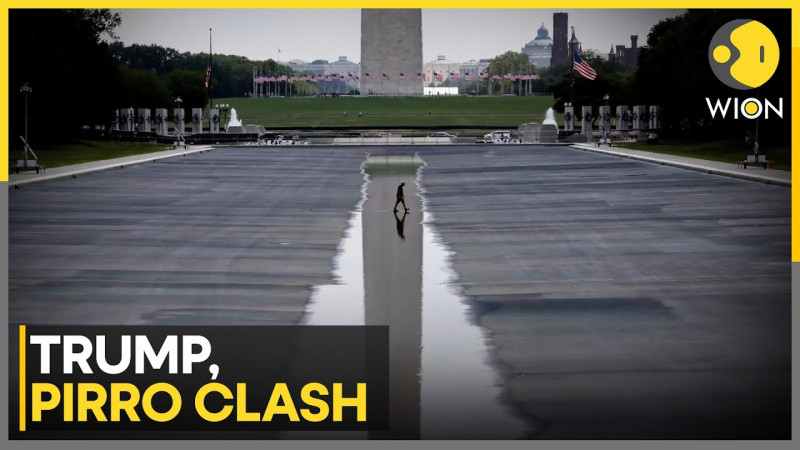
In the fluorescent glare of the briefing room, U.S. Attorney Jeanine Ferris Pirro announced the arrest of Melissa L. Farris, a woman accused of desecrating the Atlantic Theatre Pavilion of the World War II Memorial. This act of vandalism, which involved spray-painting the memorial and causing bubbles to fill a memorial fountain, was described by Pirro as "a despicable attack on a sacred monument honoring the Americans who fought and died for our freedom." The incident underscores the emotional and symbolic significance of the memorial, which stands as a poignant reminder of the sacrifices made during World War II.
The Legal Implications: Charges and Potential Punishments
The charges against Melissa L. Farris are serious, reflecting the gravity of the crime. She has been charged with defacing federal property and destruction of a veterans' memorial, both of which are felonies under federal law. These charges carry potential prison sentences of up to 10 years, highlighting the legal system's stance on the protection of national monuments and historical sites. The U.S. Attorney's Office in the District of Columbia, along with the Department of Justice, is pushing for swift and severe consequences, aiming to deter future acts of vandalism and to uphold the sanctity of such memorials.
The Broader Context: Vandalism and the Protection of Historical Sites
The case of Melissa L. Farris is not an isolated incident. In recent times, there has been a concerning rise in acts of vandalism targeting historical and national monuments. These acts, whether motivated by political or personal grievances, have sparked nationwide debates about the importance of preserving national heritage and the need for stricter protections for these sites. The World War II Memorial, in particular, holds a special place in the hearts of Americans, making its defacement a deeply wounding act. This incident serves as a stark reminder of the ongoing efforts required to safeguard these places of remembrance and reflection.
The act of vandalism perpetrated by Melissa L. Farris is a stark reminder of the fragility of historical and patriotic symbols, as well as the need for vigilance in protecting them. As the nation continues to grapple with the implications of this act, one thing is certain: the World War II Memorial will stand as a testament to the resilience of the American spirit, a spirit that continues to endure despite the attacks on its symbols.
The vandalism of the World War II Memorial, led by Melissa L. Farris, serves as a somber reminder of the ongoing battle to preserve the sanctity of national monuments. One can only hope that, in the face of such acts, the nation will continue to uphold the values and heritage that these monuments represent.
How does this story make you feel?
 Up next · EntertainmentWordle Hints Today: Unraveling the Daily Puzzle