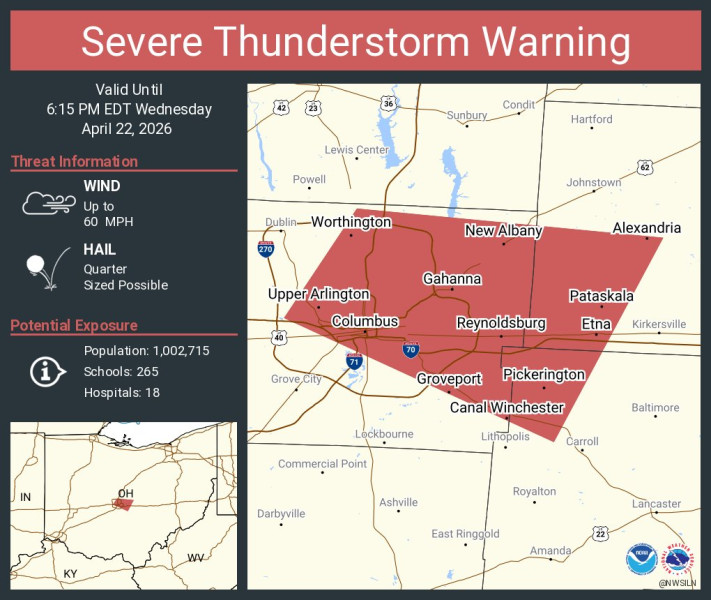
Tornado Touches Down in Columbus, Leaving a Trail of Devastation
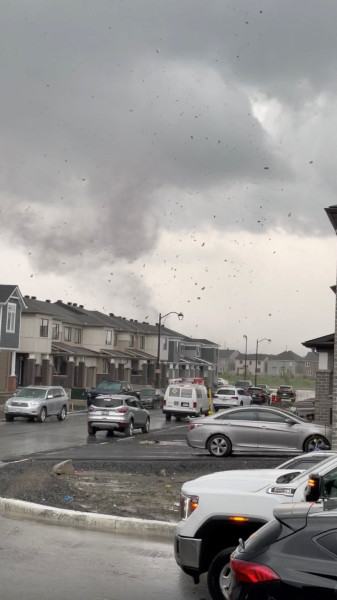
In a sudden and violent display of nature’s fury, an EF1 tornado tore through the south side of Columbus, Ohio. The National Weather Service (NWS) confirmed the devastating event, which occurred during a series of derecho storms, leaving significant damage in its wake. As residents in Franklin County and Fairfield County brace for the aftermath, the question remains: was this a fluke, or a harbinger of more severe weather to come?
The Storm That Rocked Columbus: An Unexpected Hit
Residents of Columbus, Ohio, are still reeling from the shock of the recent tornado that swept through their city. The tornado, classified as an EF1, struck the south side of Columbus without any prior official warnings or watches. The suddenness of the event caught many off guard, underscoring the unpredictable nature of severe weather events. The NWS teams conducting the survey later confirmed the tornado's impact, highlighting the need for vigilance and preparedness.
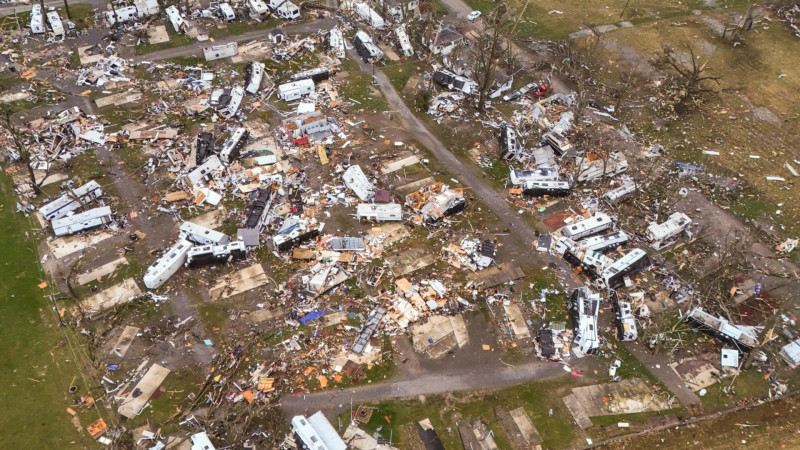
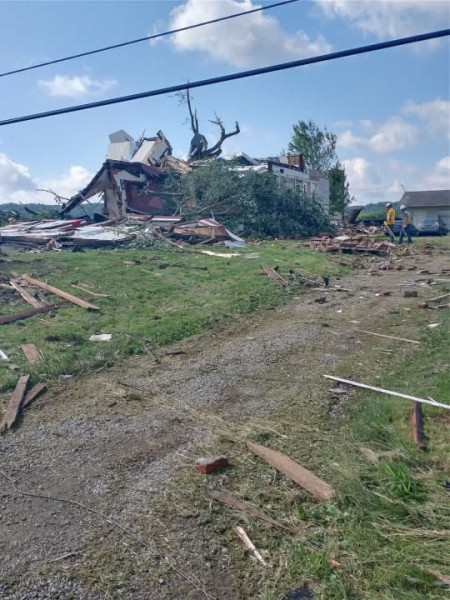
According to the NWS, the tornado left a trail of destruction in its path. Trees were uprooted, roofs were torn off buildings, and debris littered the streets. Despite the chaos, there were no reported fatalities, a testament to the resilience of the community and the swift response of emergency services. The tornado's impact was felt most keenly in residential areas, where homes and businesses bore the brunt of the storm's wrath.
In the aftermath of the storm, residents and local authorities worked tirelessly to assess the damage and restore normalcy. Emergency services were deployed to the affected areas, and the community rallied to support those affected. The swift response, though, was no substitute for the preventative measures that had failed to materialize, leaving many to wonder: why wasn’t there a warning?
Was This a Once-In-A-Lifetime Event?
In a city known for its bustling urban landscape, the recent tornado in Columbus, Ohio, was a stark reminder of nature’s unpredictable power. With no prior watch or warning, the tornado caught residents and authorities alike by surprise. The EF1 tornado, which touched down during a series of derecho storms, left a trail of destruction, causing significant damage to homes and businesses in the south side of the city.
In recent times, severe weather events have become more frequent and intense, prompting officials and meteorologists to issue warnings and advisories with greater urgency. The NWS, which confirmed the tornado, has been at the forefront of issuing timely alerts and advisories, ensuring that communities are prepared for any potential threats. As the city recovers from the recent storm, the question of preparedness and early warning systems remains at the forefront of public discourse.
Experts have long warned that the incidence of severe weather events, including tornadoes, is on the rise. Climate change, they argue, is a significant factor in the increasing frequency and intensity of these storms. As temperatures rise, so too does the likelihood of extreme weather events, challenging local authorities to enhance their preparedness and response mechanisms. The recent tornado in Columbus serves as a stark reminder of the need for vigilance and the importance of early warning systems in mitigating the impact of such events.
“Our community has shown remarkable resilience in the face of this storm, but we must continue to invest in advanced warning systems and emergency preparedness measures,” said a local official. “The recent tornado serves as a wake-up call, highlighting the need for proactive measures to protect our residents and infrastructure. Think again. Are we really prepared for the next big storm?”
A City on Edge: The Aftermath and Lessons Learned
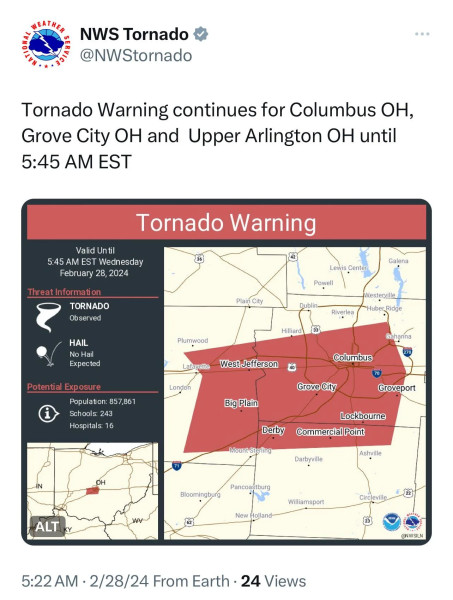
The tornado that struck Columbus, Ohio, underscored the need for a robust warning system. Despite the city’s previous preparedness, the lack of a formal watch or warning before the tornado hit demonstrated the limitations of current systems. The NWS, which typically issues timely alerts and advisories, did not issue any warnings for this particular event, raising questions about the adequacy of existing protocols.
The events of this recent tornado in Columbus, Ohio, have sparked a new wave of vigilance. As residents and officials work to rebuild and recover, the focus has shifted to enhancing preparedness and response mechanisms. The city’s resilience and community spirit have been commended, but the question remains: how can we better protect ourselves from future storms?.
Gone the routine, now in its place, a new sense of urgency. The residents of Columbus are now more aware of the need for preparedness. Climate change and its impact on weather patterns are undeniable, and the city must adapt to these new realities. The future of Columbus, and indeed many other cities, hinges on our ability to anticipate and mitigate the effects of severe weather events. As the city recovers, the question remains: are we truly prepared for the next big storm?
What happens this time when the sirens blare, and the weather apps flash red? Will we be ready? Or will we be caught off guard, like a deer in headlights, as the next tornado tears through Columbus, Ohio, leaving another trail of destruction?
How does this story make you feel?
 Up next · WorldColumbus, Ohio Under Tornado Alert