Lindsay Clancy Trial: Defense Witness Emily Thorndike Dismissed by Judge
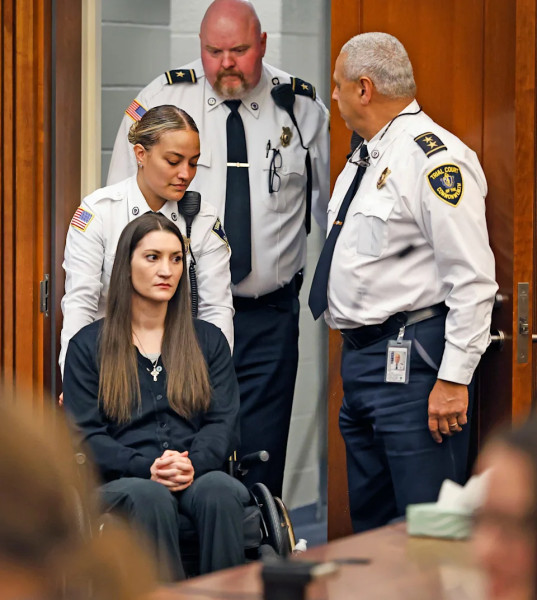
In a dramatic turn of events, the defense's key witness, Emily Thorndike, was abruptly dismissed from the Lindsay Clancy murder trial by Judge William Sullivan. The Lindsay Clancy trial is currently the center of national attention, as the Massachusetts mother stands accused of killing her three young children and facing attempts to take her own life.
Emily Thorndike's Dismissal: A Shocking Mid-Trial Development
Emily Thorndike, a TikTok user and former therapist at McLean psychiatric hospital, was set to testify about her interactions with Lindsay Clancy. However, Judge Sullivan ruled that Thorndike could not be presented before the jury. Thorndike had undergone questioning from both the defense and prosecution during the day, but the judge excused her from further involvement in the trial.
The dismissal of Emily Thorndike is a stark reminder of the complexities involved in high-profile trials, especially those involving mental health treatment and the state's role in psychiatric care. Thorndike, known for a viral video on TikTok, had been critical of the psychiatric hospital where Clancy was briefly committed. Her dismissal underscores the judge's and jury's careful consideration of all evidence.
The judge's decision was based on procedural grounds, as Thorndike had already been questioned extensively by both the defense and the prosecution without the jury present. This left the jury without direct insight into her potential testimony, which could have been pivotal for the defense.
Lindsay Clancy's Condition and the Trial's Emotional Toll
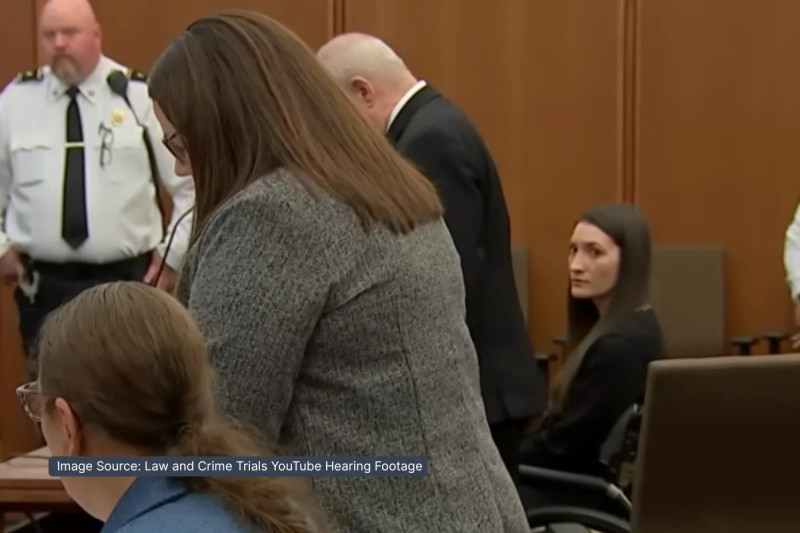
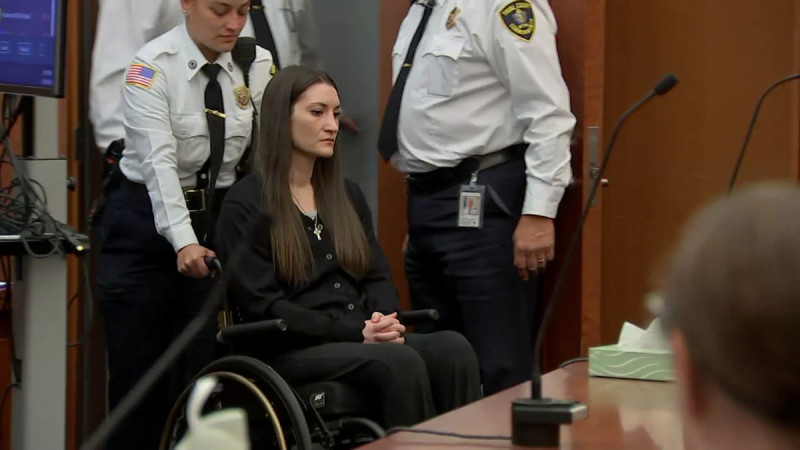
Lindsay Clancy, visibly frail and wheelchair-bound due to injuries from her alleged suicide attempt, is facing an intense emotional and legal battle. Her condition serves as a somber backdrop to the trial, highlighting the deep psychological strain she is under.
Rebecca Jollotta, a psychiatric nurse practitioner, was among those who testified on day 11. Her insights into Clancy’s mental state and treatment history are crucial for understanding the events leading up to the tragic deaths of her children.
The courtroom atmosphere is thick with tension, with each testimony and ruling carrying the weight of determining the fate of a mother accused of an unimaginable act. The trial’s emotional toll is palpable, affecting not only Clancy but also the families of her victims and the broader community that has been following the case closely.
The Prosecution's Case: Establishing the Facts
The prosecution is meticulously building its case, focusing on establishing the timeline and circumstances of the children's deaths. The defense, meanwhile, is likely to emphasize the mental health aspects, potentially arguing diminished capacity or an insanity plea. The dismissal of Emily Thorndike adds another layer to this complex legal strategy, as the defense seeks to present the most comprehensive view of Clancy’s mental state leading up to the tragic events.
The ongoing trial has also sparked heightened interest in the role of mental health professionals and the ethical considerations in high-stakes legal cases. The case highlights the intricate dance between legal procedures and the human element, where every detail can sway the jury’s perception.
Judge William Sullivan's rulings, including the dismissal of Emily Thorndike, are critical in maintaining the integrity of the trial. They reflect a careful balancing act between ensuring a fair trial and preventing any procedural missteps that could jeopardize the outcome.
The trial continues with a heavy focus on the psychological assessments and the legal ramifications of Clancy’s actions. The judge’s decisions, such as the dismissal of Emily Thorndike, are a reminder of the high stakes in this case and the rigorous standards that must be upheld in a court of law.
The defense's strategy revolves around proving that Clancy's mental state at the time of the incident was significantly impaired, potentially leading to a verdict of not guilty by reason of insanity. The dismissal of Thorndike from testifying before the jury could potentially limit the defense's ability to present this argument as strongly as they might have hoped. The Lindsay Clancy trial continues, with the next significant development being the closing arguments and jury deliberations. The defense must now navigate this setback and present their case with the evidence and testimony available to them.
The defense's decision to call Emily Thorndike was a strategic move to introduce an outside perspective on Clancy's mental health treatment. Her dismissal underscores the high stakes and rigorous scrutiny involved in high-profile trials.Expect more emotional testimony to come as the trial progresses, focusing on the crucial moments that led to the tragedy.
How does this story make you feel?
 Up next · WorldStephany Hollihan Among Victims in Devastating Kenya Helicopter Crash