Haboob Havoc: Severe Dust Storms Plague Phoenix as Residents Brace for More
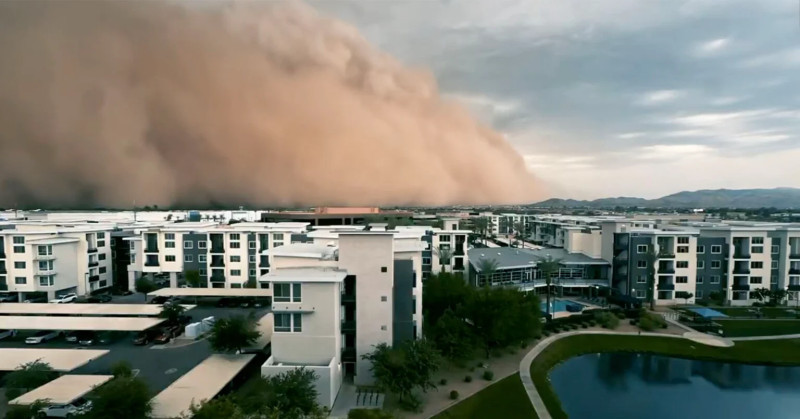
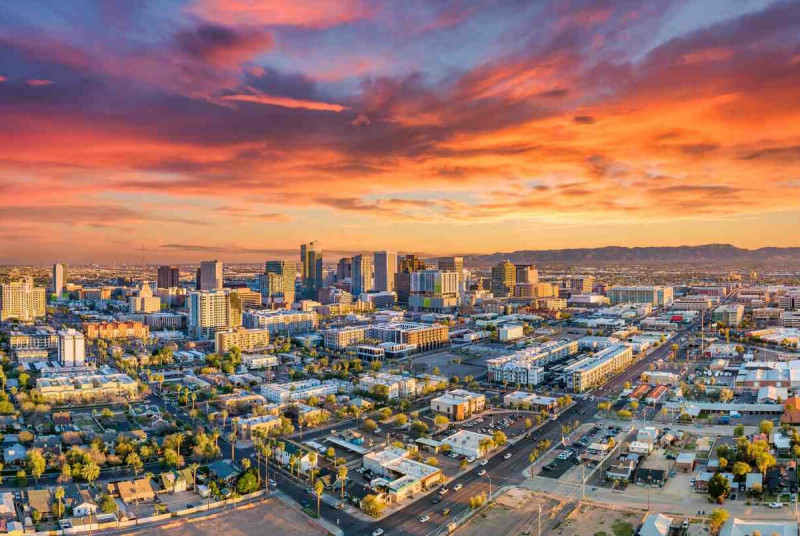
The skies over Phoenix have turned a familiar shade of brown as a powerful dust storm barrels through the city, leaving a trail of disrupted travel and health warnings in its wake. Residents are bracing for more, as the National Weather Service (NWS) issues a series of warnings and advisories, prompting questions about the city's vulnerability to these increasingly frequent and severe weather events.
What's Behind the Dust? A Look at Recent Storms and Warnings
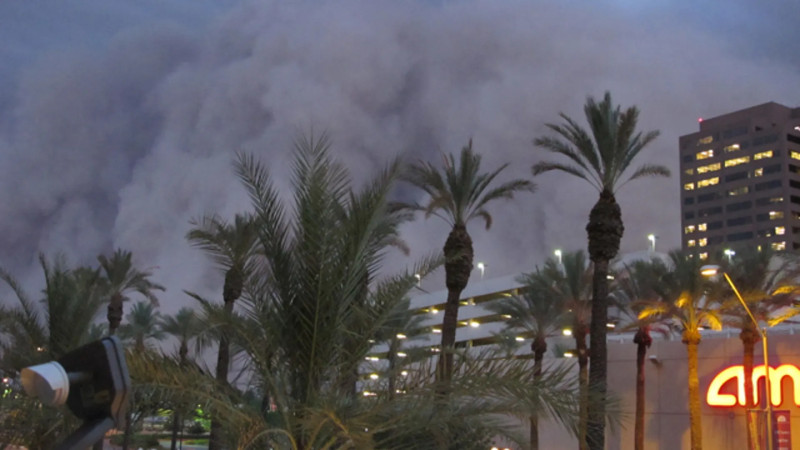
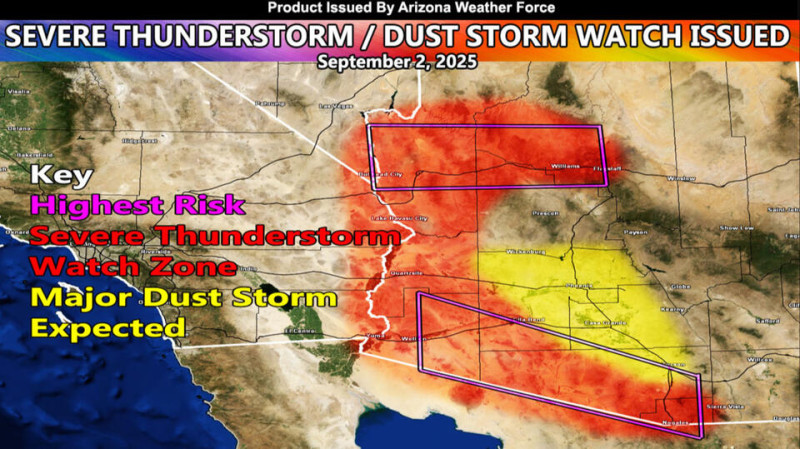
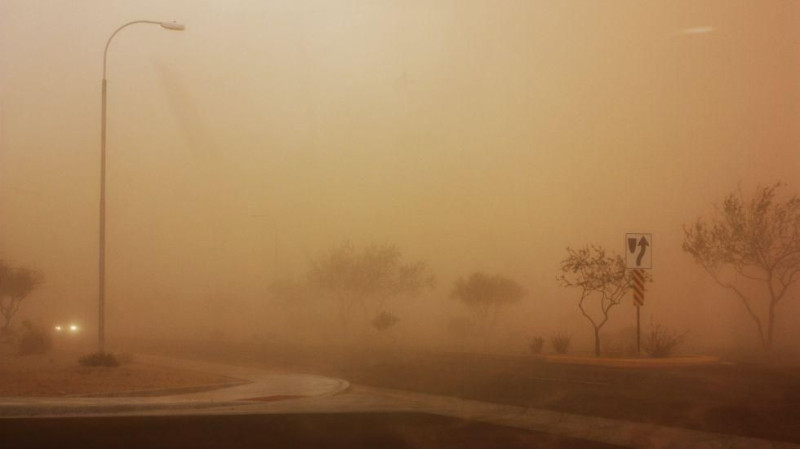
The recent haboob hitting Phoenix and surrounding counties has been categorized as a Category 5 dust storm, a measurement based on weight, wind speed, duration, and particulate matter. This storm, part of a broader weather pattern affecting the region, has led to severe thunderstorm warnings and dust advisories. The NWS in Phoenix has been vigilant, issuing multiple alerts to keep the public informed and safe. The most recent dust storm warning, issued on 19th, highlighted the dangers of reduced visibility and potential flash flooding.
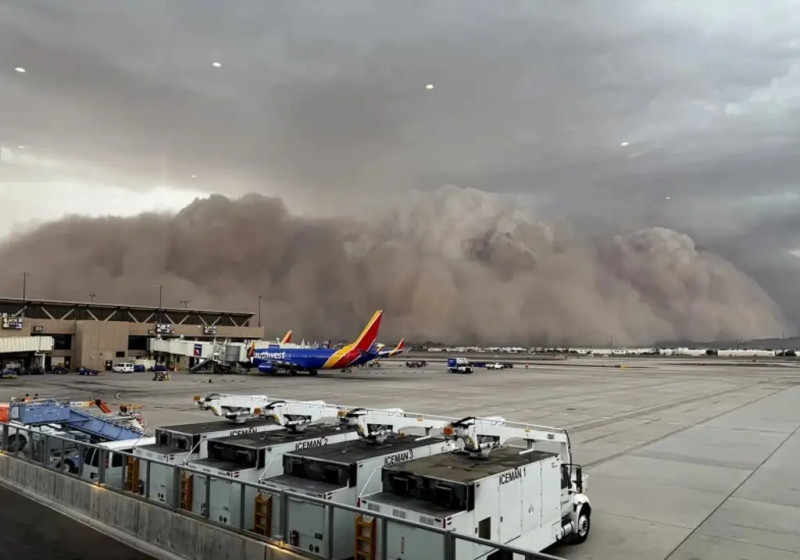
These advisories are not just for show. The NWS has noted that the blowing dust has caused significant travel disruptions, with visibility dropping to near-zero in places. This is particularly concerning given the high volume of drivers on the road, many of whom may not be prepared for such extreme conditions. The impact on air travel has also been substantial, with Sky Harbor International Airport grounding flights as the storm swept through the region.
Health Concerns and the 'Fungal Storm'
One of the most alarming aspects of these storms is the potential for health hazards, especially for vulnerable populations. The 'fungal storm' is a particularly concerning phenomenon, where dust storms carry harmful fungal spores that can cause severe illnesses. This has added a layer of urgency to the warnings, as officials urge residents to stay indoors and take precautions to protect their health. The NWS has been particularly vocal about the risks, emphasizing the need for caution as the storms continue.
Let's not kid ourselves, the impact of these dust storms goes beyond physical discomfort. The health warnings issued by the NWS are a stark reminder of the long-term effects that such events can have on the population. Respiratory issues, eye irritation, and other health problems are all too common in the aftermath of these storms, and the elderly, young children, and those with pre-existing conditions are at the highest risk.
The Counter Argument: Are We Overreacting?
While the dangers are clear, some argue that the current warnings may be overblown. After all, Phoenix has weathered dust storms before, and these warnings could be seen as a way to get attention during a busy weather season. But the data is damning. The NWS reports that these storms are becoming more frequent and more intense, and the health risks are well-documented. While it's important to strike a balance between preparedness and panic, the evidence suggests that the current level of concern is justified.
Monitoring systems, including the live weather radar and haboob alerts, have become crucial tools for residents and officials alike. These systems provide real-time updates on extreme weather conditions, including dust storms and flash floods. For instance, the Phoenix weather radar updates every 20 minutes, offering crucial information to those in the path of the storm. However, here's what nobody's asking: Why are we not investing more in infrastructure to mitigate these risks? Why are we always playing catch-up instead of being proactive?
As the dust settles on the most recent storm, the focus should shift to preparedness and resilience. The city has seen a surge in dust storms recently, and it's clear that more needs to be done to protect residents and infrastructure. This includes improving emergency response systems, providing better public health information, and investing in infrastructure that can withstand these severe weather events. The National Weather Service's warnings are a call to action, and it's time for the city to take them seriously. The next haboob could be just around the corner, and we need to be ready.
How does this story make you feel?
 Up next · HealthModerna and Merck's Cancer Vaccine Takes a Giant Leap in Melanoma Treatment