Trump's Approval Ratings: A Political Barometer in the Midterm Storm
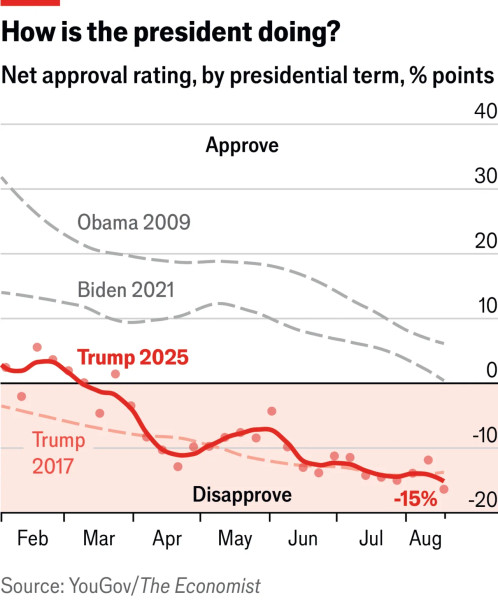
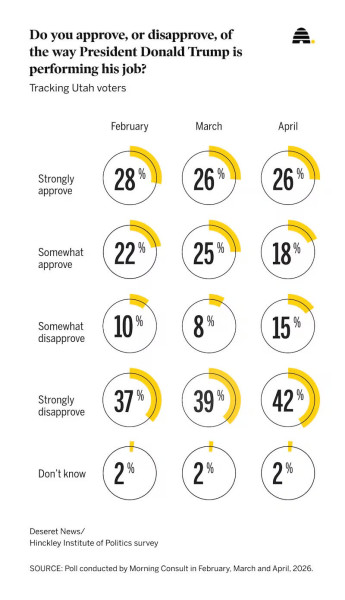
With the winds of political change swirling, President Trump's approval ratings in 2026 paint a vivid picture of a nation deeply divided. The numbers, however, tell a more intricate story, reflecting a shifting political landscape as the midterm elections loom. The latest data offers a snapshot of Trump's standing in each state, revealing significant changes in sentiment and the political fault lines that have emerged over the past few months.
Trump's Approval Ratings by State: A Complex Political Landscape
Over the past few months, Donald Trump's approval ratings have taken a significant hit, particularly in key swing states. According to recent polling, Trump's approval ratings are underwater in several crucial battleground states, including Wisconsin, Michigan, and Pennsylvania, which he won in the 2016 election. These states, pivotal in his path to victory, now show Trump with approval ratings below 50%.
This trend, however, is not limited to swing states. Deep red states, traditionally strongholds of Republican support, have also seen a noticeable decline. For example, Texas, a state that has long been a Republican bastion, has shown significant erosion in Trump's approval ratings. The latest YouGov data indicates that even in traditionally Republican territories, the president's disapproval is now outpacing his approval in some areas. This shift underscores a broader trend of declining support, even in areas where Trump once enjoyed overwhelming backing.
The approval ratings also reveal a stark partisan divide. States that lean Democratic continue to show the lowest approval ratings for Trump, a pattern that has been consistent since the beginning of his presidency. In states like California, New York, and Massachusetts, Trump's approval ratings remain in the low 30s, reflecting a deeply entrenched opposition. This trend highlights the polarized nature of American politics, with each side firmly entrenched in their positions.
The Midwest: A Crucial Battleground in the Approval Ratings War
Midwest states, once considered pivotal for Trump's support, are now showing mixed results. States like Ohio and Iowa, which have traditionally been Republican strongholds, are seeing a decline in Trump's approval ratings. In Iowa, for instance, Trump's approval rating has dipped below 50%, indicating a potential shift in political sentiment. This decline is particularly noteworthy, as Iowa has been a bellwether state in presidential elections, often reflecting the national mood.
Wisconsin, Michigan, and Pennsylvania, the three key states that secured Trump's victory in 2016, are also showing signs of waning support. These states, which have been crucial in shaping the political narrative, now show Trump's approval ratings hovering around 40-45%. This drop in approval ratings could have significant implications for the upcoming midterm elections, as these states could once again decide the balance of power in Congress. The latest data suggests that Trump's approval ratings are underwater in every swing state, with disapproval outpacing approval by significant margins.
The Midwest's shifting approval ratings reflect a broader trend of political realignment. As the region grapples with economic challenges and social issues, Trump's policies are facing increased scrutiny. The decline in approval ratings in the Midwest highlights the potential for a political tidal wave, where traditional voting patterns are being disrupted by shifting political loyalties.
The Impact of Recent Events on Trump's Approval Ratings
The recent decline in Trump's approval ratings can be attributed to several factors, including recent controversies and policy decisions. According to experts, the president's handling of the economy, particularly his recent decisions on trade and foreign policy, has played a significant role in eroding his support. The latest polling data shows a direct correlation between Trump's economic policies and his approval ratings, with many voters expressing dissatisfaction with his approach to trade and foreign affairs.
"Trump's approval ratings are a direct reflection of his policy decisions and their impact on the American public," said a political analyst. "As the economy faces new challenges, voters are reassessing their support for the president, leading to a decline in his approval ratings.
In addition to economic concerns, recent controversies have also taken a toll on Trump's approval ratings. Scandals and allegations of misconduct have further eroded public trust, leading to a decline in support. The latest YouGov data indicates that these controversies have had a significant impact on Trump's approval ratings, with many voters citing these issues as reasons for their dissatisfaction.
As the midterm elections approach, the political landscape is becoming increasingly volatile. Recent developments, including shifting public sentiment and mounting controversies, are reshaping the political narrative. The latest approval ratings offer a glimpse into the changing dynamics, as voters reassess their support for the president and his policies. As the nation prepares for the midterms, the impact of these ratings on the election outcome remains to be seen, but the political stakes have never been higher.
As the political landscape continues to evolve, one thing is clear: Trump's approval ratings are a critical indicator of the nation's political pulse. With the midterms on the horizon, the numbers will be closely watched, as they offer a glimpse into the future of American politics. As voters weigh their options, the fate of the nation hangs in the balance, and the outcome of the midterm elections will undoubtedly shape the course of history.
How does this story make you feel?
 Up next · PoliticsNithya Raman Faces Off Against Karen Bass in Fiery Mayoral Debate