Lindsey Clancy's Murder Trial: Day 11 Unveils New Details, Defense Focuses on Psychiatric Care
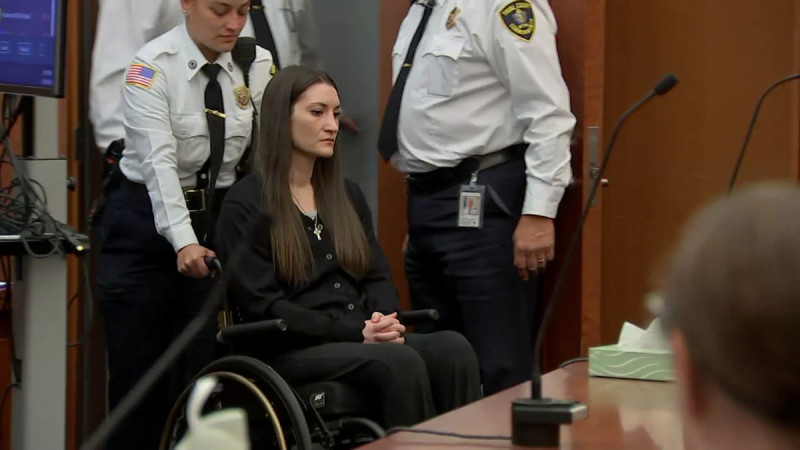
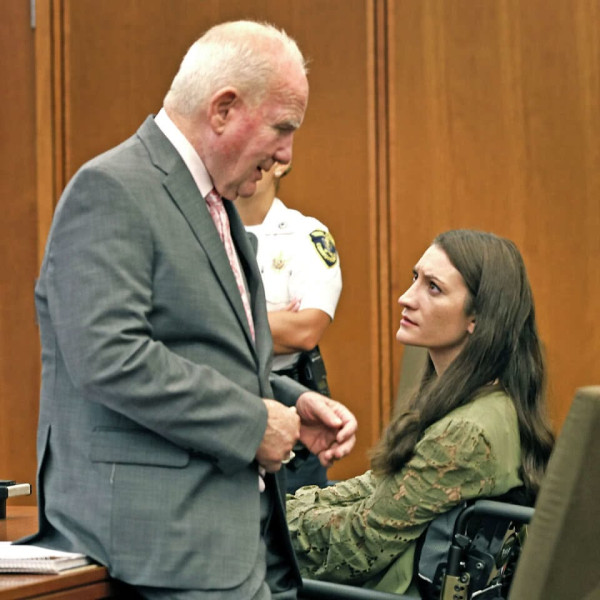
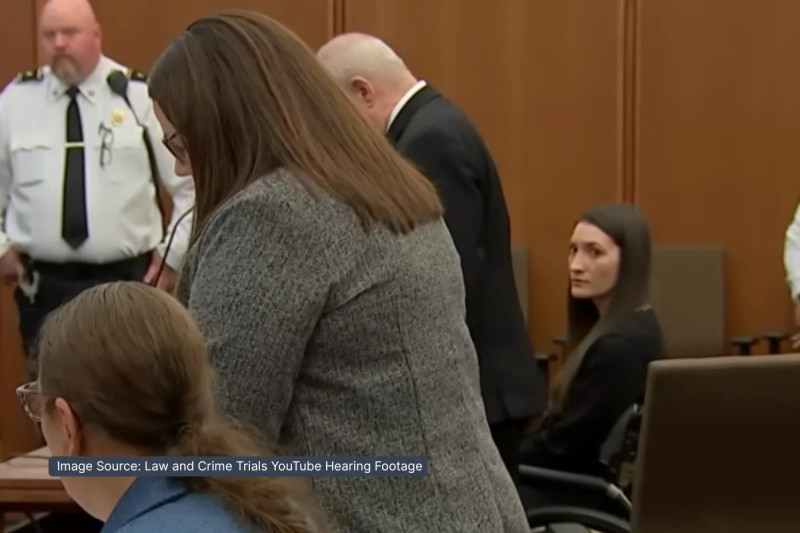
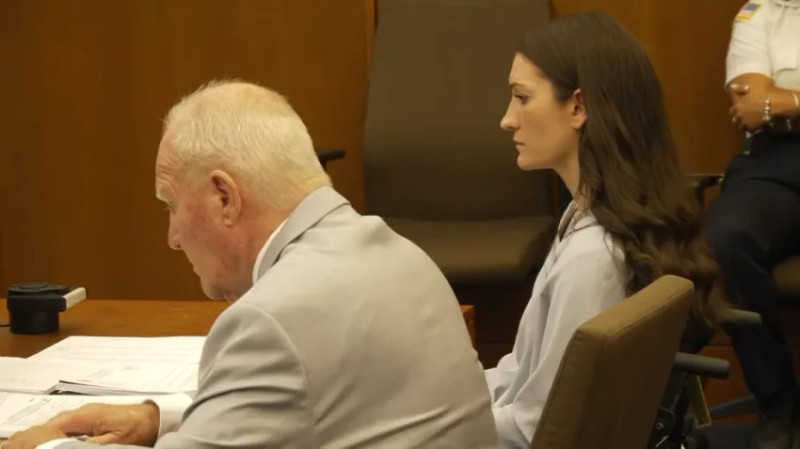
The Lindsey Clancy trial has been a focal point for national attention as the defense argues that the defendant, a former labor and delivery nurse, is not guilty by reason of insanity. Clancy's case has drawn significant media coverage, particularly with the live updates from Day 11 of the trial, where the defense has introduced new psychiatric evidence. The trial revolves around the horrifying events of 2023, when Clancy was accused of strangling her three children.
Day 11: Psychiatric Care and Medication History Under Scrutiny
Day 11 of the Lindsey Clancy trial live updates focused intensely on psychiatric care, presenting a detailed look into Clancy’s mental health management in the months leading up to the tragedy. The defense called psychiatric nurse practitioner Rebecca Jolotta, who provided key insights into Clancy's psychiatric care and medication history. Jolotta revealed that Clancy faced multiple psychiatric prescriptions—including Zoloft—and had undergone evaluations for bipolar disorder. The defense's strategy hinges on the claim that Clancy’s mental state was severely compromised, driven by an undiagnosed condition that prevented her from understanding the gravity of her actions.
However, the prosecution argues that Clancy’s mental health issues do not absolve her from her actions. They contend that Clancy’s mental state was manageable and that she should have sought help rather than resorting to such extreme measures. The prosecution’s counterargument presents a stark contrast to the defense’s narrative, suggesting that Clancy was aware of the implications of her actions and chose to carry them out regardless of her mental state.
In a surprising turn, the defense has also taken aim at the care provided by Clancy’s psychiatrist, suggesting that a lack of proper diagnosis and treatment contributed to Clancy’s actions. This twist adds a layer of complexity to the trial, as it shifts part of the blame onto the medical professionals involved in Clancy’s care. According to the defense, Clancy was experiencing postpartum psychosis, a condition that went undiagnosed and untreated, leading to the tragic events.
The defense’s case hinges on the idea that Clancy’s actions were driven by an inability to distinguish right from wrong, a critical element in proving insanity. Jolotta’s testimony provided crucial details that support this argument, highlighting the complexities of Clancy's mental health and the potential impact of her medication regimen.
The Role of Emily Thorndike and TikTok Testimony
Another significant development in the Lindsay Clancy trial was the involvement of Emily Thorndike, a TikToker whose testimony provided a unique perspective on Clancy's mental state. Thorndike's testimony on Day 16 of the trial offered a glimpse into Clancy's online presence and the public perception of her mental health. The jury was excused early that day, allowing the defense to present Thorndike's insights without immediate public scrutiny.
Emily Thorndike’s testimony shed light on the public’s perception of Clancy’s mental health through her online posts, particularly on TikTok. This new angle introduces the idea of social media as a factor in the trial, raising questions about how public perception and online behavior can influence legal outcomes.
Defense Continues to Build Case for Insanity
As the defense continues to build its case, the focus remains on proving that Clancy’s actions were a result of her mental state. The defense argues that Clancy’s bipolar disorder and potential postpartum psychosis meant she was not in a sound mental condition to understand the implications of her actions. They also emphasize Clancy's struggle to manage multiple psychiatric prescriptions, suggesting that this added complexity to her mental turmoil.
In contrast, the prosecution maintains that Clancy’s actions were premeditated and deliberate, regardless of her mental health issues. They argue that Clancy had the capacity to seek help and should have acted responsibly, given her professional background as a nurse. This counterargument questions the validity of the defense’s insanity plea, suggesting that Clancy’s actions were not solely driven by her mental state but by a deliberate choice to harm her children.
The trial’s outcome will depend heavily on the jury’s interpretation of these competing narratives. The defense’s focus on psychiatric care and the prosecution’s emphasis on accountability present a complex legal and moral dilemma. As the trial progresses, the public and legal community alike await the final verdict, which will have far-reaching implications for how mental health and criminal responsibility are viewed in such cases in the future.
To put things into perspective, the Lindsey Clancy trial is a stark reminder of the blurred lines between mental illness and criminal responsibility, echoing historical cases like the Andrea Yates trial. Both cases involve mothers who committed unthinkable acts, yet the legal outcomes have been determined by the nuances of mental health laws and societal perceptions. The Clancy trial, with its focus on psychiatric care and the role of social media, adds new dimensions to this complex issue, challenging us to rethink our approach to mental health and criminal justice.
How does this story make you feel?
 Up next · WorldClancy Trial: A Maelstrom of Legal and Emotional Complexities