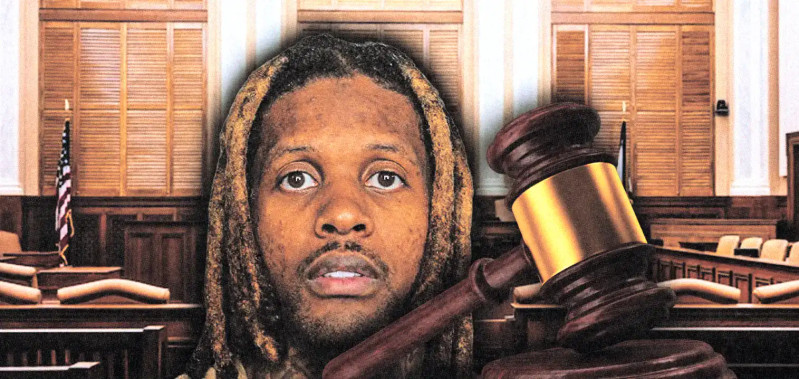
The $9.25 Million Verdict: An Unexpected Twist in Kai Spears' Legal Saga

Imagine, if you will, the weight of a thousand whispers, the echo of a name misremembered, and the ripple effect of a story gone awry. This is the landscape upon which former University of Alabama basketball walk-on Kai Spears found himself, embroiled in a defamation trial against the esteemed New York Times.
The Defamation Trial: A Battle of Accuracy and Reputation
Recently, a Tuscaloosa jury delivered a landmark verdict in a civil trial that pitted Spears against the New York Times. The jury awarded Spears a staggering $9.25 million in damages, a clear message to the media giant about the gravity of misreporting. The case, which began with an erroneous report linking Spears to a murder scene, escalated into a battle over journalistic integrity and the consequences of inaccurate reporting. In the aftermath of a fatal shooting in Tuscaloosa, the New York Times published articles that incorrectly identified Spears as a passenger in a car at the scene. This misidentification, based on information from two confidential sources, had far-reaching implications for Spears’ reputation and career.
“The jury's verdict sends a powerful message about the need for accuracy in reporting and the serious consequences of defamation.” - Matt Glover, a lawyer representing Mr. Spears.
Spears, who was not in the car at the time of the shooting, has since been awarded damages as a result of the New York Times's inaccurate reporting, highlighting the potential pitfalls of relying on anonymous sources in high-stakes journalism.
The Implication: Changing the Face of Journalistic Ethics
The implications of this verdict extend far beyond the courtroom. As the New York Times faces its first defamation trial loss in over 50 years, the case has sparked a broader discussion on the future of journalism. Spears' victory is not just a personal triumph but a warning shot to media outlets nationwide about the importance of verifiable information and the ethical responsibility that comes with reporting. The jury’s decision underscores the need for rigorous fact-checking and the potential legal and financial repercussions of getting it wrong.
The Verdict: A Landmark Decision in Media Law
In recent times, the New York Times has been a beacon of journalistic excellence, but the Spears case serves as a stark reminder of the hazards of rushing to publish. The verdict is a landmark decision in media law, setting a precedent for future cases involving defamation and the responsibility of journalists to verify their sources. This case also underscores the importance of legal representation in high-stakes defamation trials. Spears' lawyer, Matt Glover, emphasized the significance of the trial, stating that it gave the jury an opportunity to influence how journalism is conducted at the New York Times.
The trial, which began with a motion for summary judgment being denied, highlights the complexities of sports reporting and the legal battles that can ensue when accuracy is compromised. As the legal landscape continues to evolve, cases like Spears v. NYT serve as a reminder of the delicate balance between freedom of the press and the protection of individual reputations. Media outlets must navigate this terrain carefully, ensuring that their pursuit of truth does not come at the expense of accuracy and integrity.
The legacy of this trial will undoubtedly be felt for years to come. As the dust settles on the courtroom drama, one can't help but wonder: How will the New York Times and other media outlets adapt in response to this verdict? Will the journalistic community rally to redefine standards, or will they continue to tread the fine line between speed and accuracy? Perhaps the most enduring question is: How will Kai Spears navigate the aftermath of this legal battle, and what new chapters will unfold in his life, now forever intertwined with the New York Times?
How does this story make you feel?
 Up next · PoliticsBehind the Scenes: Natalie Harp's Rising Influence in the White House