Outrage Over Father Who Left Son Alone on Mount Fuji During Hike
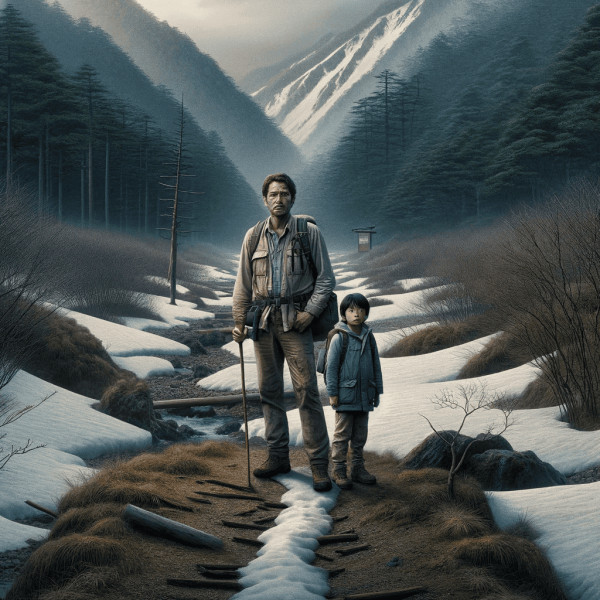
In the latest and most disturbing incident to emerge from a recent family hike, a 48-year-old Japanese father left his 7-year-old son alone on Mount Fuji, igniting a firestorm of criticism and debate about parental responsibility and safety protocols. The boy, who expressed fatigue during the hike, was left behind on the trail's sixth station while his father and older son continued their ascent. At just before 8:00 a.m. on Thursday, staff at a mountain hut at the 6th station — situated at an elevation of 1,850 meters — discovered the crying boy and alerted the authorities. According to the Mount Fuji Climbing website, it takes roughly three hours to hike from the sixth to the eighth station, meaning the boy may have waited alone for several hours before help.
The Incident: What Happened on the Trail?
Japanese social media has been ablaze with criticism directed at the father who abandoned his young son. The incident unfolded on the Fujinomiya trail, a popular hiking route on Mount Fuji, where the family was attempting to reach the summit. At approximately 2,490 meters, the father made a decision to leave the boy behind, reportedly telling him to wait for 8 hours. It's not clear exactly how long the boy was left unattended, but it is estimated to be several hours.
The Aftermath and Public Reaction
Once the incident came to light, the public's response was swift and severe. Many criticized the father for prioritizing his own goals over the safety and well-being of his son. The incident has sparked a broader conversation about the responsibilities of parents and the potential dangers of hiking with young children. The father was issued a stern warning by the Shizuoka Prefectural Police for his negligence, but he avoided formal charges. Let's not kid ourselves, this is a wake-up call for all parents who might underestimate the dangers of mountain hiking with young children.
"This incident underscores the importance of safety and vigilance during mountain hikes," said experts from the Japan Mountain Climbing Association, who have called for stricter regulations and better supervision during such activities. The public outcry has been a stark reminder of the need for greater awareness and preparation when embarking on challenging hikes, especially with young children in tow.
The Counter-Argument: Balancing Adventure and Safety
While the outrage is justified, some argue that hikes are an essential part of family bonding and should not be entirely avoided. However, the counter-argument is that the boy's safety was compromised, and the event that unfolded should prompt a review of hiking protocols for families with young children. The boy's father admitted to the Mount Fuji Climbing Official Website why the boy was left behind: the child said he was tired, and a family trip up Japan's most famous mountain turned into a police intervention after the father decided to abandon his son due to fatigue.
Some experts suggest that parents should carefully assess their children's stamina and preparedness for such treks and ensure they are equipped with the necessary gear. In the aftermath of this incident, the community has rallied around the idea that parents need to be particularly vigilant and well-prepared, especially when engaging in high-risk activities with their children. Perhaps it is time to revisit the idea that a family hike can be a bonding experience only when safety is prioritized.
The boy left on Mount Fuji incident serves as a stark reminder of the risks involved in mountain activities and the responsibility that parents bear to ensure the safety of their children. It is a call to action for families to rethink their approach to adventure and prioritize safety over ambition. Let’s challenge ourselves to ensure that our future adventures are not overshadowed by such preventable tragedies.
How does this story make you feel?
 Up next · WorldWilmington, NC Bracing for Aftermath of Tornado Warning