US Attorney John Sarcone's Appointment Ruled Unlawful: A Twist in the Legal Saga
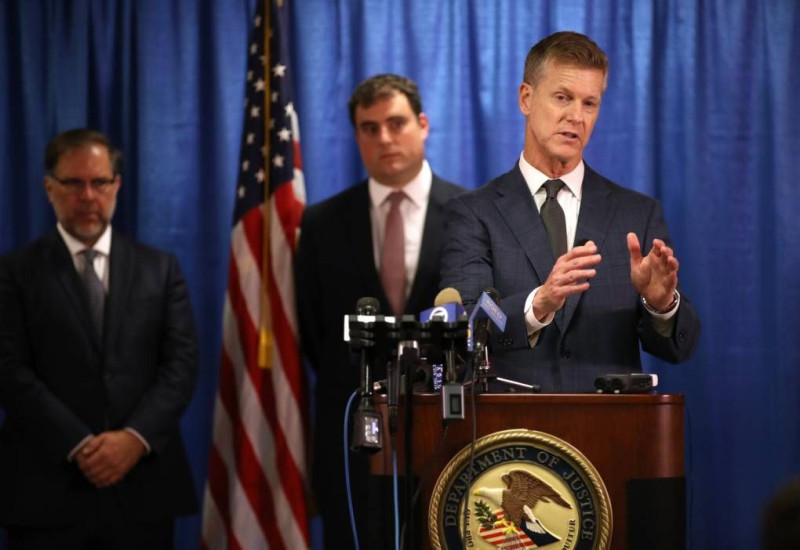
In the dimly lit corridors of the courthouse, a sense of anticipation hung heavy in the air. Lawyers and journalists alike waited for the ruling that would shake the foundations of a high-profile legal battle. The moment arrived when the decision was finally handed down: John A. Sarcone III, acting US attorney for the Northern District of New York, was ruled to be unlawfully serving in his position. The ruling, issued by the Second Circuit U.S. Court of Appeals, sent shockwaves through the legal community and beyond, as it directly impacted the ongoing investigations led by New York Attorney General Letitia James.
The Ruling: Unlawful Appointment and Its Implications
The Second Circuit Court of Appeals, in a 2-1 decision, upheld a lower court's ruling that John Sarcone was not lawfully appointed to his position. The decision marked the third time a federal court has ruled against Sarcone's appointment, first assistant U.S. attorney for the Northern District of New York. The controversy stems from Sarcone's attempts to subpoena records from the New York Attorney General's office, seeking information about cases involving former President Donald Trump and the National Rifle Association. The appeals court's ruling not only disallows Sarcone from continuing his investigations but also casts a shadow over the legitimacy of his previous actions in office.
"This is a significant ruling that underscores the importance of following legal protocols in such high-stakes investigations," said a legal expert who wished to remain anonymous. "The court's decision sends a clear message about the boundaries of executive authority and the need for proper legal appointments."
The Path to Disqualification and Its Aftermath
The path to Sarcone's disqualification began months ago, when a federal judge initially ruled that his appointment was unlawful. The judge's decision was based on the Justice Department's attempt to extend Sarcone's 120-day interim period indefinitely, a move that was seen as an overreach of executive power. The appeals court's ruling, which affirmed the lower court's decision, further solidified the legal community's stance against Sarcone's appointment.
The Justice Department, in response to the ruling, has announced its intention to appeal the decision to the Supreme Court. This move, if successful, could potentially overturn the appeals court's ruling and reinstate Sarcone's authority to investigate the New York Attorney General's office. However, the legal community remains divided on the likelihood of the Supreme Court's intervention, given the high stakes and complex legal issues at hand.
"The Justice Department's decision to appeal to the Supreme Court is a bold but necessary move," said a spokesperson for the Department. "We believe that the lower courts have misinterpreted the legal framework surrounding interim appointments, and we are confident that the Supreme Court will provide the clarity needed to resolve this matter."
The ruling has sparked a flurry of reactions from legal experts and political analysts, who have been closely monitoring the developments in this case. Some argue that the decision is a victory for judicial oversight and the rule of law, while others see it as a political maneuver aimed at undermining ongoing investigations.
The Future of Investigations and the Role of Justice
As the legal battle continues, the future of the investigations led by New York Attorney General Letitia James remains uncertain. Sarcone's disqualification has effectively halted the subpoenas issued to the Attorney General's office, and it is unclear who will take over the investigation or whether new subpoenas will be issued. The Justice Department's appeal to the Supreme Court adds another layer of complexity to an already tangled web of legal issues.
Despite the setbacks, James remains undeterred in her quest for justice. "We will continue to pursue the truth and hold those accountable who have violated the law," she said in a recent statement. "The court's ruling does not diminish our resolve or our commitment to uphold the rule of law."
With the Supreme Court's decision looming on the horizon, the legal community is poised to witness another pivotal moment in this ongoing saga. The outcome of the appeal will not only determine Sarcone's legal standing but also shape the future of high-stake investigations involving powerful political figures.
"These are unprecedented times for the legal system, and the decisions we make today will set a precedent for the future. The public's trust in our institutions hinges on our ability to uphold the law with fairness and transparency."
How does this story make you feel?
 Up next · PoliticsFederal Appeals Court Disqualifies Trump-Appointed US Attorney John Sarcone