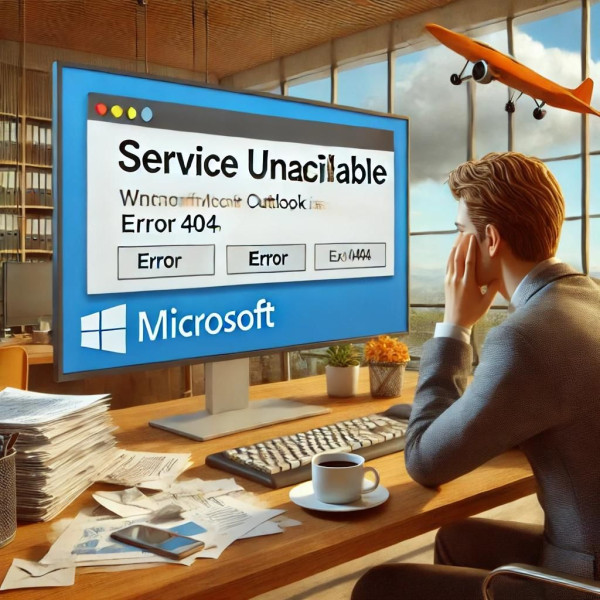
Let's not kid ourselves: the digital world has become so reliant on email that when a service like Microsoft Outlook goes down, it's chaos. Recently, users worldwide have been grappling with outages, sparking widespread frustration and forcing many to seek alternative communication channels. As of the latest reports, the Microsoft Outlook outage has left users in the dark, with no clear resolution in sight. The incident has reignited debates about the reliability of cloud-based services and the need for robust contingency plans.
Understanding the Microsoft Outlook Outage: What Went Wrong?
Microsoft's email service, Outlook, has been experiencing intermittent outages, according to reports from users and monitoring websites such as Downdetector. The issues appear to stem from server connectivity problems, causing widespread disruptions across various regions. Users have reported difficulties accessing their emails, leading to significant delays in communication and workflow disruptions. The outage has been particularly frustrating for businesses that rely heavily on email for day-to-day operations. As of now, Microsoft has not provided an official statement on the cause of the outage or an estimated time for resolution.
Observers note that this isn't the first time Microsoft has faced such issues. The company has had to deal with several high-profile outages in recent times, raising questions about the resilience of its cloud infrastructure. Here’s what nobody's asking: why are these outages becoming more frequent, and what can be done to prevent them? The data is damning—these disruptions are not only inconvenient but also costly. Businesses lose productivity, and users lose trust in the service.
Despite the frustration, it's important to acknowledge that cloud services, while convenient, are inherently vulnerable to outages. Let's consider that, in recent times, major tech companies have faced similar issues, indicating that this is a broader industry problem rather than an isolated incident. It highlights the need for better redundancy measures and more transparent communication from service providers.
Impact on Businesses and Users: The Real Cost of Downtime
For businesses, the impact of a Microsoft Outlook outage goes beyond just inconvenience. According to a 2024 report by Downdetector, every hour of email downtime can cost companies thousands of dollars in lost productivity and potential revenue. For individuals, it means missed opportunities and the inability to stay connected with colleagues, clients, and friends. The lack of communication can lead to missed deadlines, delayed projects, and, in some cases, lost business.
Here is an expert perspective on the matter. According to a cybersecurity expert, "Email services are the backbone of modern communication, and any disruption can have cascading effects. It's crucial for companies to have backup plans and alternative communication methods in place to mitigate the impact of such outages."
Such outages also underscore the importance of having a robust backup plan. Companies need to invest in redundancy and have alternative communication methods ready to deploy in case of disruptions. This includes using other email platforms, instant messaging services, or even traditional telecommunication methods. The key is to ensure that communication channels remain open, regardless of the circumstances.
Microsoft's Response: What Can Users Expect?
Microsoft, like other tech giants, is no stranger to outages, and in this latest episode, the tech giant has been relatively silent. As of the latest reports, Microsoft has acknowledged the issues but has not provided a detailed explanation or timeline for resolution. Users have been left to speculate about the cause and duration of the Microsoft Outlook outage, with many turning to social media and forums to vent their frustrations.
According to a recent statement from Microsoft, the company is working diligently to resolve the issue and restore services as soon as possible. The company has also advised users to check their status page for real-time updates and to report any issues they encounter. However, many users have expressed dissatisfaction with the lack of transparent communication, arguing that more proactive updates would help mitigate some of the frustration.
Users and businesses affected by the outage are advised to stay vigilant and keep an eye on updates from Microsoft. In the meantime, exploring alternative communication methods can help alleviate some of the disruptions caused by the Microsoft Outlook outage.
According to a cybersecurity expert, "Email services are the backbone of modern communication, and any disruption can have cascading effects. It's crucial for companies to have backup plans and alternative communication methods in place to mitigate the impact of such outages."
Here’s what's clear: While Microsoft works to resolve the Microsoft Outlook outage, businesses and users must remain adaptable and proactive to minimize the impact. It's a stark reminder that in a world increasingly dependent on digital communication, resilience and contingency planning are more important than ever.