Maintenance on a Massive Scale: Microsoft Outlook's Latest Outage

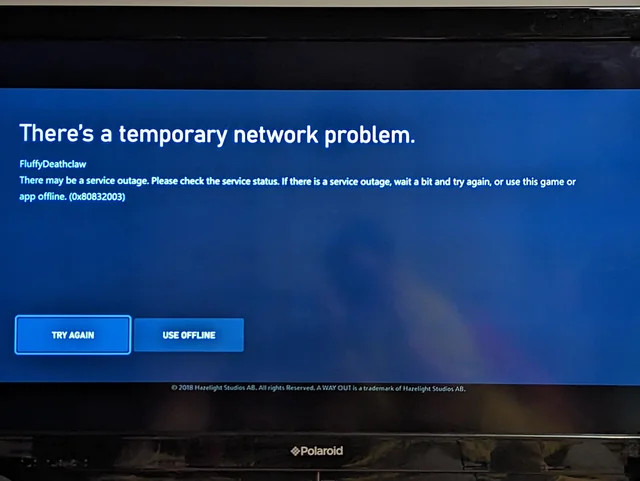
It’s not often that an email service outage becomes a global headline, but when it’s one as ubiquitous as Microsoft Outlook, even the most casual digital citizens take notice. In recent times, Microsoft Outlook has faced a significant service disruption, causing widespread frustration for users across numerous industries. Here's what we know so far.
Understanding the Scope of the Outage
Microsoft users — whether they’re professionals relying on Outlook for business communications or everyday users managing personal accounts — have been grappling with prolonged access issues. Reports from Downdetector indicate a surge in complaints, with thousands of users reporting problems spanning from login issues to email delivery failures. This isn't the first time Microsoft has experienced outages, but the scale and persistence of this incident have certainly raised eyebrows. The company’s status page, which typically provides real-time updates, has been a source of both information and, for some, exasperation, with reports of limited, often vague, updates from Microsoft's support team.
What’s particularly unsettling is the disruption to critical services like Outlook. In a world reliant on instant communication, an outage of this magnitude has the potential to derail entire workflows and operational processes, especially for businesses with stringent communication needs.
How It Happened: The Technical Breakdown
While the exact cause of the Microsoft Outlook outage is still under investigation, initial reports suggest a network configuration issue, possibly exacerbated by a cascading failure that started in a single data center. When these failures occur, it’s like a domino effect, where one problem triggers a chain reaction, leading to a full-blown system failure. This is a nightmare scenario for any tech company, and Microsoft, with its vast infrastructure, is no exception.
A deeper look at the Microsoft architecture reveals that such outages are often a result of misconfigurations or unanticipated traffic spikes. The complexity of maintaining seamless email services across millions of users is immense, and even the smallest glitch can have a ripple effect. This underscores the importance of robust monitoring systems and redundant backups, which Microsoft, and other major tech providers, invariably invest heavily in.
“The challenge with these kinds of outages is that they can be incredibly hard to isolate and fix, especially when you have a system as complex as Outlook,” says an IT expert. “It’s like trying to find a needle in a haystack, but the haystack is on fire and shifting beneath you”.
Users’ Response: Frustration and Adaptation
On social media, the frustration has been palpable, with users sharing their experiences and voicing their discontent. The sentiment is clear: reliability is paramount, especially when it comes to email services that are the backbone of both personal and professional communications. Some users have resorted to alternative email services, while others are holding out hope for a swift resolution.
Despite the inconvenience, many users have shown resilience, finding workarounds and alternative communication methods. It’s a testament to human adaptability, but it also highlights the need for companies like Microsoft to prioritize reliability and redundancy in their services. Users expect their email services to be up and running smoothly, and when that expectation is not met, it can lead to significant disruptions.
Microsoft has been transparent about the challenges they face in maintaining such a large-scale service, but the recent outages have raised questions about the company’s preparedness for such events. Given the critical nature of email services, especially for businesses, the company will likely re-evaluate its strategies to ensure that such incidents are minimized in the future.
Outlook’s role as a cornerstone of business communications doesn’t change the fact that it’s a private email client, subject to the same vulnerabilities as any other service. But the scale and reach of this particular Microsoft outage suggest that there may be broader lessons to learn about infrastructure management and user support
How does this story make you feel?
 Up next · TechTicketmaster’s Silver Ticket System: A New Era for Olivia Rodrigo’s Fans or a VIP Pass for the Privileged?