The 25th Anniversary Commemoration of 9/11: A Day of Reflection
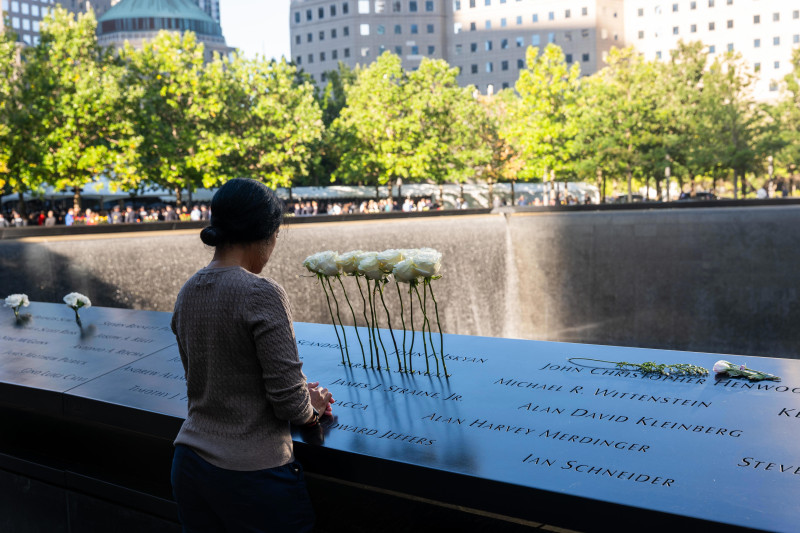
On the 25th anniversary of the terrorist attacks on September 11, 2001, the United States pauses to remember the devastating events that reshaped the nation's security landscape and left an indelible mark on global history. The 9/11 attacks, often referred to as the 9/11 timeline of events, saw four planes hijacked by 19 terrorists, a pivotal moment in the history of the world. Today, the nation is reflecting on the 25th anniversary and the importance of not forgetting what happened that day.
The Hijacking of Four Planes: A Timeline of Events
Understanding the sequence of events during the 9/11 timeline is crucial for grasping the magnitude of the tragedy. On that day, 19 9/11 hijackers took control of four commercial airplanes. The first was American Airlines Flight 11, which crashed into the North Tower of the World Trade Center at 8:46 AM. United Airlines Flight 175 followed, hitting the South Tower at 9:03 AM. The third plane, American Airlines Flight 77, struck the Pentagon at 9:37 AM. Meanwhile, passengers on United Airlines Flight 93, realizing the fate of the other planes, attempted to retake control, leading to a crash in a field in Shanksville, Pennsylvania, at 10:03 AM.
The 102 minutes that changed America began with the initial impact on the World Trade Center and ended with the collapse of both towers, marking a period of unimaginable horror and chaos. The aftermath left Ground Zero, the site of the former World Trade Center, as a symbol of resilience and remembrance.
Rudy Giuliani: The Face of America's Resilience
The city of New York, under the leadership of then-Mayor Rudy Giuliani, became a beacon of hope and resilience during the darkest hours of the tragedy. Giuliani's steadfast leadership and calm demeanor in the face of unprecedented crises earned him the moniker "America's Mayor". His efforts to restore order and provide support to the city's residents and first responders were pivotal in the immediate aftermath and the long road to recovery. Giuliani’s leadership was instrumental in guiding the city through the recovery efforts and ensuring that the memory of the victims was honored.
Remembrance and the Legacy of September 11
The 25th anniversary of 9/11 sparks a renewed focus on the impact of the attacks, with a particular emphasis on the numbers of lives lost. The official count of deaths on 9/11 stands at 2,977 people, including 2,753 in New York, 184 at the Pentagon, and 40 in Pennsylvania. The aftermath of these attacks was a nation gripped by fear and uncertainty, yet it also ignited a sense of unity and determination. In the days and weeks following the attacks, people of all backgrounds came together to support one another, offering a glimpse of the strength that can emerge from tragedy.
Critics argue that the ongoing focus on the anniversary of the tragedy has led to a desensitization of the events, turning a moment of national mourning into a ritual. Some feel that the annual remembrance has become too routine, with the emotional impact of the event potentially diluted by repetition and the passage of time. Despite these counterpoints, the significance of the day remains undeniable, especially as the nation commemorates the 25th anniversary.
The 25th anniversary of 9/11 is a poignant reminder of the events that shook the world. As we reflect on the 9/11 timeline and the 2,977 lives lost, it is essential to remember the resilience and unity that emerged from the ashes. The attacks on 9/11 will forever be etched in the annals of history, serving as a stark reminder of the power of unity and the importance of remembering those who perished.
How does this story make you feel?
 Up next · WorldLil Durk's Turbulent Journey: Racketeering Charges, Legal Battles, and Net Worth