Federal Reserve Steers Economic Course with Rate Hike
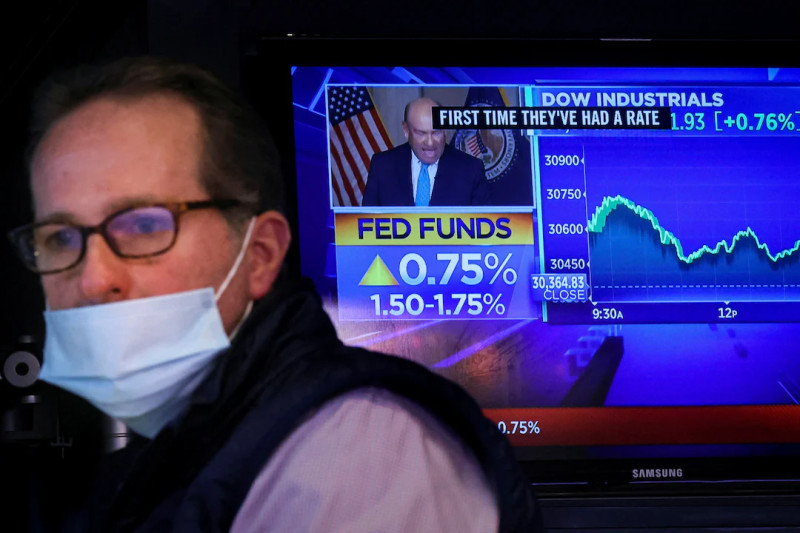
The Federal Reserve, acting as the economic pilot, has just adjusted the nation's financial rudder with a recent decision that has sent ripples through markets and ignited discussions on Wall Street and Main Street alike. The Fed's decision to raise interest rates is the latest chapter in a saga that began earlier this year, when inflation began to morph from a distant specter into a tangible threat. The Federal Open Market Committee (FOMC) convened recently to weigh the data and chart a path forward, with the Federal Reserve interest rate decision finally falling like a gauntlet thrown down on the economic battlefield.
Federal Reserve Hikes Rates, Signals More to Come
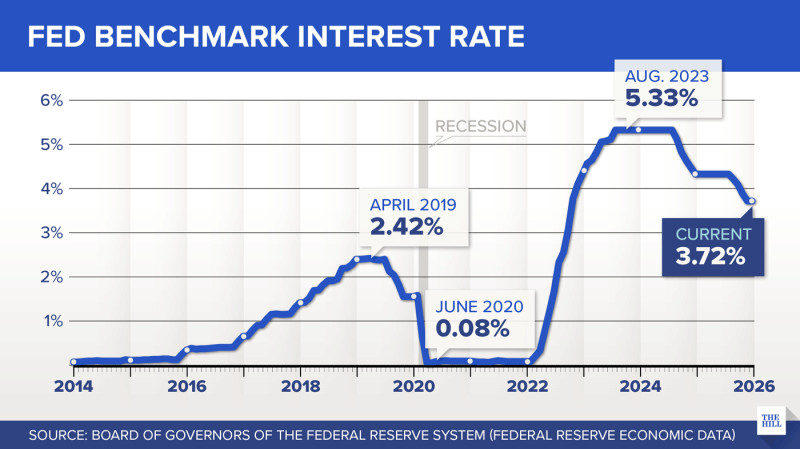
The Federal Reserve has raised interest rates by a quarter percentage point, marking the latest in a series of increases aimed at curbing inflation. This move, announced recently at the conclusion of the FOMC meeting, brings the fed rate to its highest level in years. The decision, while anticipated, has sparked a mix of reactions from economists and market observers. Some hail it as a necessary measure to rein in runaway prices, while others worry about the potential impact on economic growth and employment.
The FOMC Meeting: Unpacking the Fed's Decision
The latest Fed meeting was a closely watched affair, with investors and policymakers alike hanging on every word from the Federal Reserve. The FOMC, the Fed's powerful rate-setting committee, has been walking a tightrope, balancing the need to control inflation against the risk of tipping the economy into a recession. In its statement, the FOMC emphasized that the decision to raise rates was driven by the latest economic data, which showed persistent inflation despite earlier efforts to cool the economy. The committee signaled that more rate hikes could be on the horizon, depending on how the economy responds to these measures.
Economists have long debated the optimal level of interest rates to balance growth and inflation. The fed rate is a key tool in the Federal Reserve's arsenal, used to influence borrowing costs and, by extension, economic activity. When the Fed raises rates, it makes borrowing more expensive, which can dampen consumer spending and business investment, ultimately cooling the economy and easing price pressures. Conversely, lowering rates can stimulate economic activity by making borrowing cheaper.
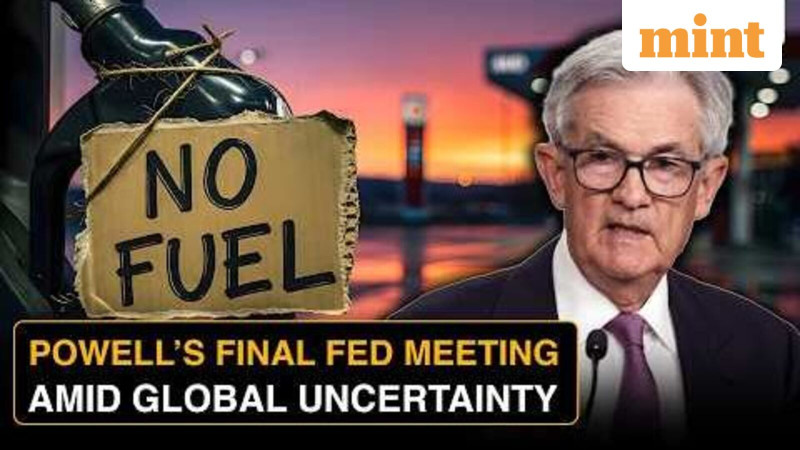
The FOMC's latest move is part of a broader strategy to navigate the complex terrain of the post-pandemic economy. Inflation, which had been relatively subdued for years, began to rise sharply in recent times, driven by a combination of factors including supply chain disruptions, soaring energy prices, and robust consumer demand. The Fed, under the leadership of Chair Jerome Powell, has been grappling with how to address this challenge without derailing the economic recovery.
According to available reports, the Federal Reserve's decision to raise interest rates has already had a significant impact on financial markets. Stocks and bonds have reacted to the news with volatility, as investors reassess their expectations for future economic growth and monetary policy. The dollar, however, has strengthened against other currencies, reflecting the relatively higher yields offered by U.S. assets.
The latest Fed rate hike is a stark reminder of the delicate balance that policymakers must strike in managing the economy. As the Federal Reserve continues to monitor the data and adjust its policies accordingly, the coming months will be crucial in determining whether the Fed's decision will successfully tame inflation or unleash a new set of economic challenges.
Federal Reserve Interest Rate Decision: A Look Back
The Federal Reserve has a long history of using interest rates to manage the economy, dating back to the era of the Great Depression. The Fed's mandate, as established by Congress, is to promote maximum employment, stable prices, and moderate long-term interest rates. This dual mandate has guided the Fed's actions through various economic cycles, from the post-war boom to the stagflation of the 1970s and the dot-com bubble of the late 1990s.
In recent years, the Fed has faced a range of new challenges, from the global financial crisis of 2008 to the COVID-19 pandemic. Each of these events has tested the Fed's ability to respond quickly and effectively to economic shocks. The latest Fed rate hike, while a familiar tool, reflects the ongoing evolution of the Fed's approach to managing the economy in an ever-changing world.
For many economists, the question is not whether the Fed rate hike will work, but rather how long it will take to see the desired effects. The lag between changes in interest rates and their impact on the economy can be significant, making it difficult to predict the ultimate outcome of the Fed's actions. Some experts believe that the current round of rate hikes could take up to a year to fully manifest in the economy, while others are more optimistic about a quicker turnaround.
One thing is clear: the Federal Reserve's decision to raise interest rates is a pivotal moment in the ongoing saga of monetary policy. As the Fed continues to navigate the complexities of the post-pandemic economy, the coming months will be crucial in determining whether the Fed's actions will successfully rein in inflation or unleash a new set of economic challenges.
The Fed has often been compared to a ship's captain, navigating the treacherous waters of the global economy. In this metaphor, the fed rate is the rudder, guiding the vessel through storms and calm seas alike. The latest Fed rate hike is a reminder that the journey is far from over, and that the economic landscape is as unpredictable as ever. As we watch the Federal Reserve steer the ship through the stormy seas of inflation and growth, we can only wait and see where the Fed's decision will take us.
Indeed, as the news of the latest Fed rate hike ripples through the markets, one can't help but wonder: will the ship weather the storm, or will it be swept away by the currents of economic uncertainty?
The Fed's actions, while necessary, are a double-edged sword. They may tame the inflation dragon, but at what cost to the broader economy?
How does this story make you feel?
 Up next · BusinessFed Rate Hike: Latest Federal Reserve Decision Stirs Debate