Labor Day's Retail Landscape: A Holiday of Contrasts
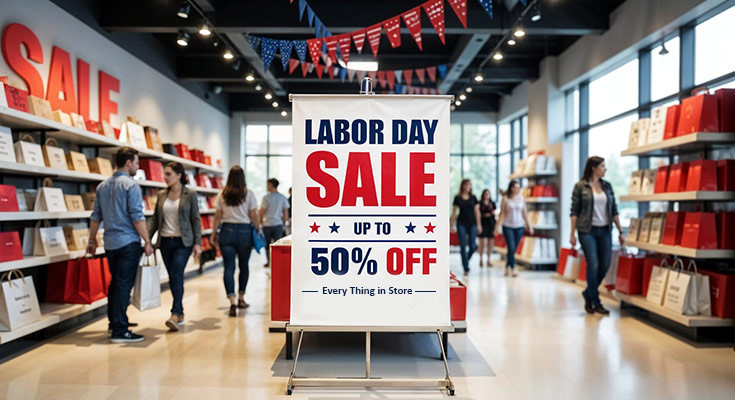
Labor Day, a holiday that has become synonymous with the unofficial end of summer, presents a complex landscape for retailers. As the nation gears up to honor the contributions of American workers, consumers are left wondering which stores will stay open and which will join in the festivities by closing their doors. This year, the retail giant Walmart has decided to remain open, while competitors like Target and Costco have chosen to keep their stores closed.
Walmart and Target: Contrasting Approaches
Walmart, the largest retailer in the United States, has traditionally kept its stores open on Labor Day. Despite the holiday’s significance, Walmart has maintained its policy of offering a full range of services, ensuring that customers can access essential items and take advantage of any special promotions. This decision aligns with Walmart's broader strategy of being a go-to destination for everyday needs.
On the other hand, Target has taken a different approach. The company has chosen to close on Labor Day, a decision that reflects a growing trend among retailers to prioritize employee well-being and recognize the importance of the holiday. According to a recent statement, Target has expressed its commitment to providing a day of rest for its employees, allowing them to celebrate the holiday with their families and friends. This move is part of a larger effort by the retailer to enhance its employee benefits and foster a more supportive work environment.
In a quote that encapsulates this shift, Target's CEO, Brian Cornell, emphasized, "We believe in the value of work-life balance and giving our team members the opportunity to enjoy this important holiday with their loved ones".
Costco and Other Retailers: Joining the Holiday Spirit
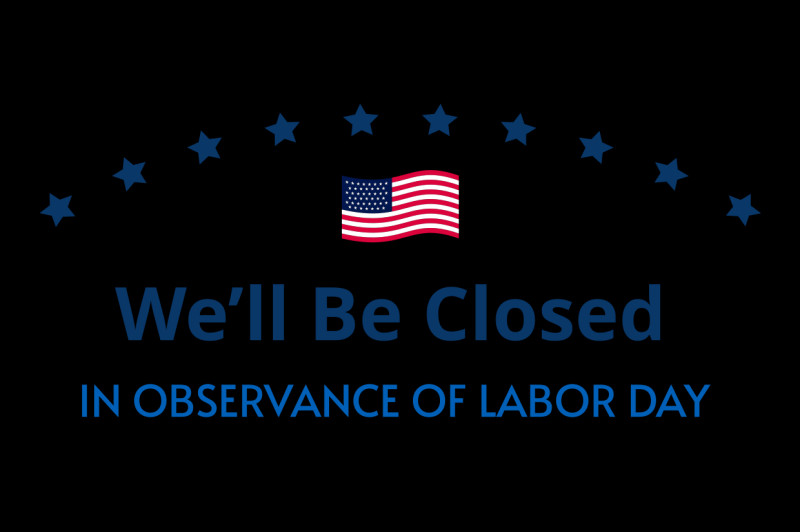
Costco, another major retailer, has also decided to close its doors on Labor Day. This move is in line with the company’s tradition of recognizing the holiday and providing a day of rest for its employees. Known for its strong focus on employee satisfaction, Costco’s decision underscores the company’s commitment to creating a positive work environment. This decision is unlikely to affect consumers significantly as many other retailers, such as Publix and Aldi, are also expected to close their doors on Labor Day. Sam's Club is also expected to follow the trend and close on Labor Day.
Target’s decision to close on Labor Day follows the increasing trend of retailers choosing to shut down on holidays, a practice that was initially popularized by the Labor Day holiday. This shift highlights the evolving attitudes towards employee well-being and the importance of recognizing significant holidays. In recent times, the movement towards closing on holidays such as Labor Day has gained traction, with more retailers adopting this practice. This trend reflects a broader societal shift towards valuing work-life balance and recognizing the importance of holidays for both employees and customers.
The Economic and Cultural Impact
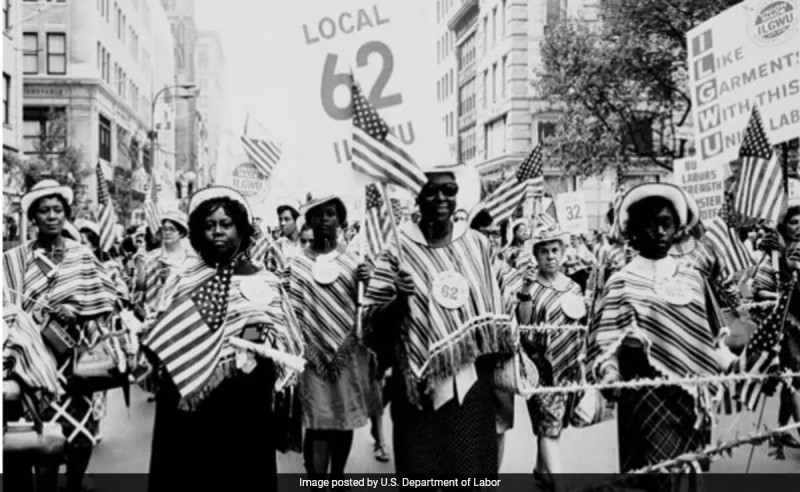
Labor Day, a federal holiday, commemorates the achievements of American workers and their contributions to the country’s prosperity. However, the retail landscape on Labor Day is a microcosm of broader economic and cultural trends. The decision to stay open or close reflects not only the financial considerations of retailers but also their commitment to employee well-being and community values.
The holiday's economic impact is significant, with retailers generating billions in sales over the Labor Day weekend. However, the decision to stay open or close also reflects the changing attitudes towards work-life balance. As more retailers recognize the value of providing a day of rest for their employees, the holiday takes on a deeper cultural significance, serving as a reminder of the importance of honoring the contributions of American workers.
As consumers navigate the retail landscape on Labor Day, the choices made by retailers like Walmart, Target, and Costco highlight the complexities of balancing economic needs with cultural and social responsibilities. The holiday is a time to reflect on the contributions of American workers, and the decisions made by retailers on this day offer a glimpse into the evolving attitudes towards work, rest, and the value of community. The trend of closing on Labor Day is a profound shift that reflects a growing recognition of the importance of work-life balance and the need to honor the contributions of American workers. As we move forward, the choices made by retailers on this day will continue to shape the cultural and economic landscape of the holiday, serving as a reminder of the ongoing dialogue between economic needs and the values of community and well-being.
How does this story make you feel?
 Up next · BusinessFederal Reserve Steers Economic Course with Rate Hike