In the heart of downtown Las Vegas, the usual hum of excitement from the casinos and the strip is replaced by the rhythmic thrum of rain. The neon lights reflect off a city that is less than prepared for the onslaught of stormy weather, as a post-tropical cyclone named Rachel sweeps through the area bringing with it unprecedented rainfall. The city is used to its fair share of heatwaves and dry spells, but the sudden turn of events has left residents reeling.
The Storm's Evolution: From Tropical Depression to Post-Tropical Cyclone
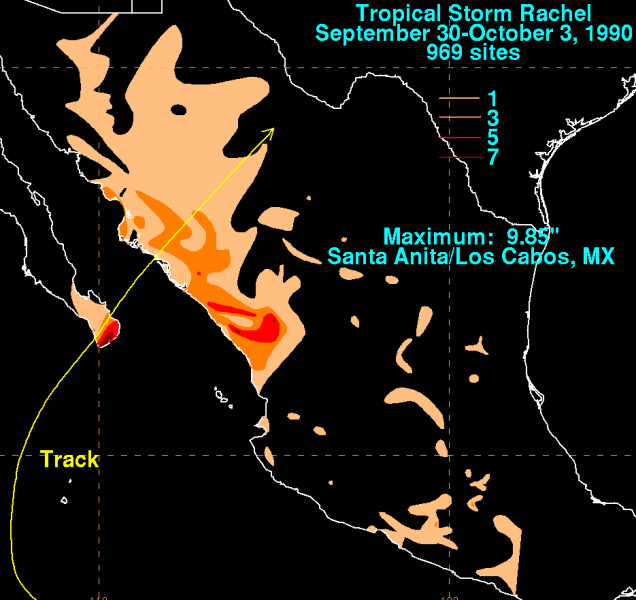
The journey of what would become post-tropical cyclone Rachel began as a tropical depression, brewing in the warm waters of the Pacific before rapidly intensifying into a tropical storm. Meteorologists had been tracking the storm closely, but the intensity and trajectory caught many off guard. As it made landfall, the storm's winds weakened, but the heavy rainfall and flooding concerns remained.
The transformation of Rachel from a tropical storm into a post-tropical cyclone is a phenomena well know to meteorologists. This transition occurs when a storm loses its tropical characteristics, such as warm core and thunderstorm activity, and begins to resemble a more typical mid-latitude cyclone. This change can significantly impact the storm's behavior, often leading to more widespread and prolonged rainfall.
In Las Vegas, the effects of Rachel have been devastating. The city's infrastructure, designed for arid conditions, struggles to handle the deluge. Streets have become rivers, and underground systems are overwhelmed, causing widespread flooding. The city's emergency services are on high alert, with emergency responders working tirelessly to ensure public safety.
Impact in Las Vegas: A City Under Siege
The impact of post-tropical cyclone Rachel on Las Vegas has been catastrophic. The city, known for its vibrant nightlife and opulent casinos, has found itself in a situation that was once unimaginable. Water levels in the Las Vegas Valley have soared, causing severe flooding that has closed major roads and disrupted daily life for thousands of residents and tourists.
The Las Vegas Valley Water District has been working around the clock to manage the influx of water, but the sheer volume has proven challenging. The district's flood control systems, designed to handle smaller storms, are being pushed to their limits. Residents have been advised to stay indoors and avoid unnecessary travel as the situation remains fluid.
While the immediate focus is on managing the floodwaters, the long-term effects of such an event on the city's ecosystem are also a concern. The sudden influx of water can disrupt local flora and fauna, potentially causing long-lasting ecological damage.
To the south, San Diego has also felt the impact of Rachel, although to a lesser extent. The city's infrastructure, better equipped to handle heavy rainfall, has managed to mitigate some of the storm's effects. Nevertheless, local authorities are urging residents to remain vigilant and prepared.
Community Responses and Relief Efforts
In the face of such adversity, the Las Vegas community has come together in a display of resilience and solidarity. Local organizations and volunteers have mobilized to provide assistance to those in need, offering everything from shelter and food to medical supplies. The city's first responders have been hailed as heroes, working tirelessly to ensure the safety of its residents.
Gov. Steve Sisolak has declared a state of emergency for the city, mobilizing additional resources to assist in the relief efforts. The declaration allows for federal aid to be directed to the affected areas, providing much-needed support for recovery and rebuilding efforts.
The governors of neighboring states, including California, have also extended offers of support. Gov. Gavin Newsom has pledged resources and personnel to assist in managing the aftermath of the storm, underscoring the significance of interstate cooperation in times of crisis.
The sheer scale of the devastation has left many wondering about the future of Las Vegas. While the immediate focus is on recovery, the city will need to invest in more robust infrastructure to better prepare for future storms. As residents and officials alike grapple with the aftermath, one thing is clear: this storm has forever changed the landscape of Las Vegas and its preparedness for such events.
“This is a wake-up call for us all,” said Dr. Jane Miller, a climate expert at the University of Nevada, Las Vegas. “We need to rethink our infrastructure and emergency response strategies to be better prepared for the challenges that climate change brings.”