American Conference rejects Miami University's bid to join
The American Conference turned down Miami University's proposal to become a member, highlighting the league's cautious stance on expansion amid ongoing financial and competitive pressures.
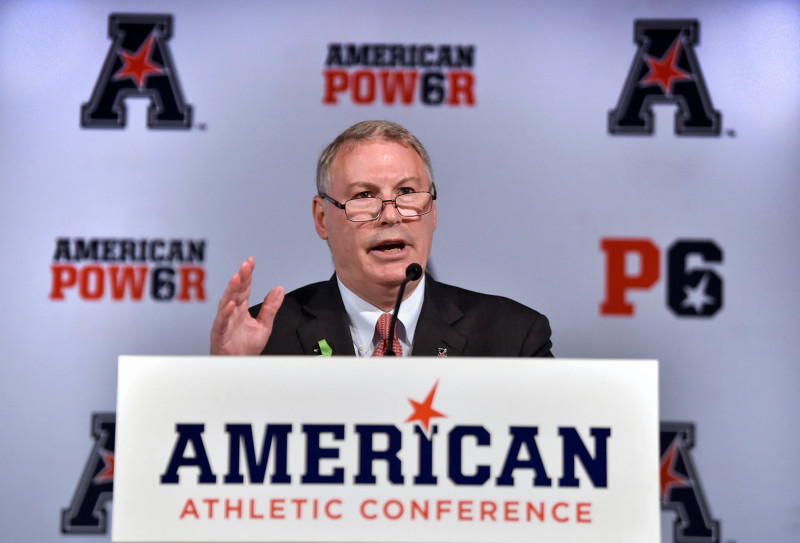
Key points
- The American Conference declined Miami University's offer to join the league.
- The decision reflects the conference's recent reluctance to expand.
- Conference leadership cited stability and financial considerations.
- The move follows a 2025 rebranding that dropped "Athletic" from its name.
The American Athletic Conference, known for its competitive college football programs, recently rejected an offer from Miami University to join the conference. This move has sparked discussions about the conference's future and its willingness to expand.
The Offer and the Rejection
Miami's offer was reportedly a significant one, aiming to bolster the conference with both increased talent and financial resources. However, the American Conference, formerly known as the American Athletic Conference, has opted not to expand in recent times, even in the face of attractive offers. The rejection raises questions about the conference's strategy and future direction, especially given the current landscape of college athletics. The decision to drop the second word in its name in 2025 was already a bold move, marking a new era for the conference. Despite this, the latest rejection signals the conference's conservative approach to expansion.
The Impact on the Conference
The rejection of Miami's offer has significant implications for the conference. The American Athletic Conference, once a rising star in the college football landscape, has been navigating a complex landscape of competition and financial challenges. Miami University's entry could have provided a much-needed boost, but the conference's leadership has opted for a different path. The decision underscores a broader trend in college athletics, where conferences are carefully weighing the benefits of expansion against the risks. For fans and stakeholders, the rejection highlights the strategic choices that define the conference's trajectory.
Looking Ahead for the Conference
While the immediate impact of the rejection is significant, the broader implications for the conference remain to be explored. The American Conference's reluctance to expand suggests a measured approach to growth, focusing on stability and sustainability. As the landscape of college football continues to evolve, the conference's decisions will shape its future in profound ways. Whether this cautious approach will pay off remains to be seen, but it is clear that the American Conference is charting a unique course in the world of college athletics.
AAC Football News "The American Conference, formerly known as the American Athletic Conference, has entered a new era in 2025 when it dropped that second word from its name, a move that came as the conference navigated a complex landscape of competition and financial challenges"
Your questions, answered
Why did the American Conference reject Miami University's offer?
The conference said it prefers a measured approach to growth, focusing on stability and financial challenges.
What recent change did the American Conference make to its name?
In 2025 the league dropped the word "Athletic" and is now known simply as the American Conference.
Quick poll
Should the American Athletic Conference consider expanding to include new schools?
0 votes
How does this story make you feel?
Topics
 Up next · SportsPumas UNAM and Cruz Azul draw 3-3, standings shift