faa and easa warn airlines of risks in saudi airspace
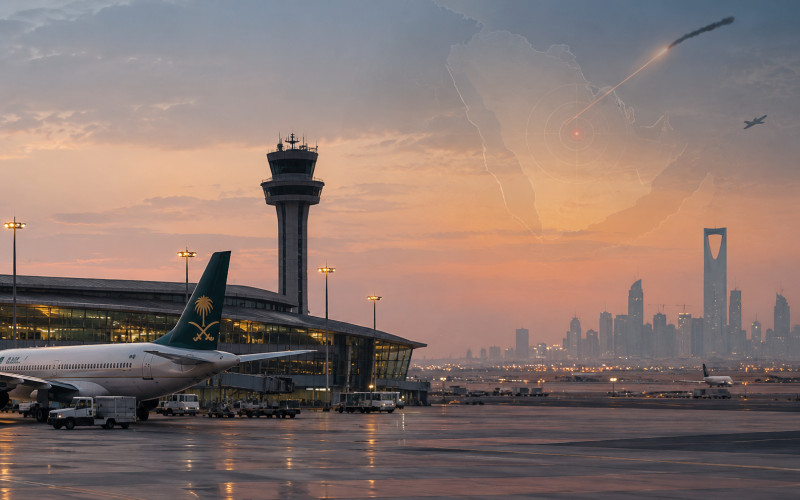
aviation authorities advise caution over saudi arabia due to military activity and navigation interference, leading to widespread flight cancellations and safety alerts for travelers.
Key points
- the faa issued a notice to airmen cautioning u.s. airlines about risks at all altitudes over saudi arabia.
- easa expanded the area of saudi airspace where it recommends airlines not to operate.
- at least 700 flights were cancelled across the busiest hubs in saudi arabia.
- the u.s. state department issued a security alert citing threats to airlines and airports.
- yemen's houthi rebels warned that saudi airspace is unsafe for commercial flights.
Air travel over Saudi Arabia has become a high-stakes game of chance, with the skies over the kingdom bearing the brunt of geopolitical tensions. Recent warnings from the Federal Aviation Administration (FAA) and the European Union Aviation Safety Agency (EASA) have advised airlines to exercise caution when flying to, from, or over Saudi Arabia, citing safety threats tied to ongoing military activities and navigation system interference.
Military Activities and Navigation Risks
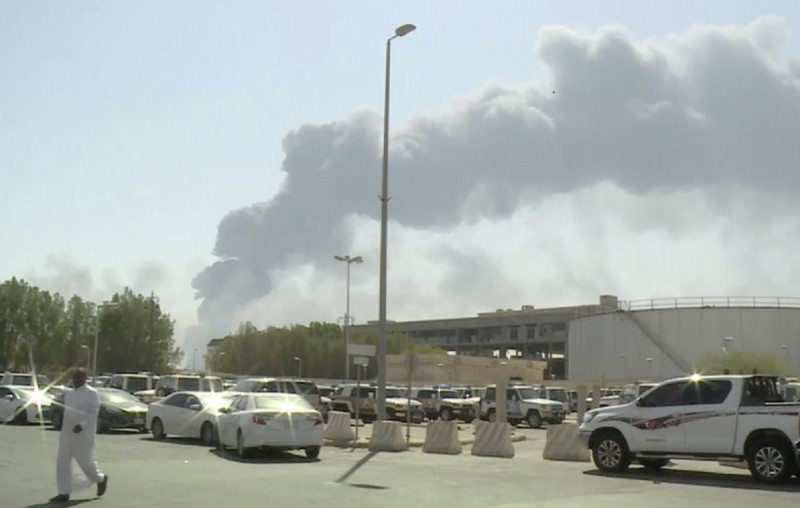
In recent times, the airspace above Saudi Arabia has become a dangerous theater due to military activities and navigation system interference. The FAA has issued a Notice to Airmen (NOTAM) cautioning U.S. airlines to be vigilant when flying to, from, or over Saudi Arabia, citing potential risks to aircraft at all altitudes, including overflight and the arrival and departure phases of flight. The EASA has also widened the area of Saudi Arabian airspace where it recommends airlines not to operate, following a series of strikes by Yemen's Houthi rebels.
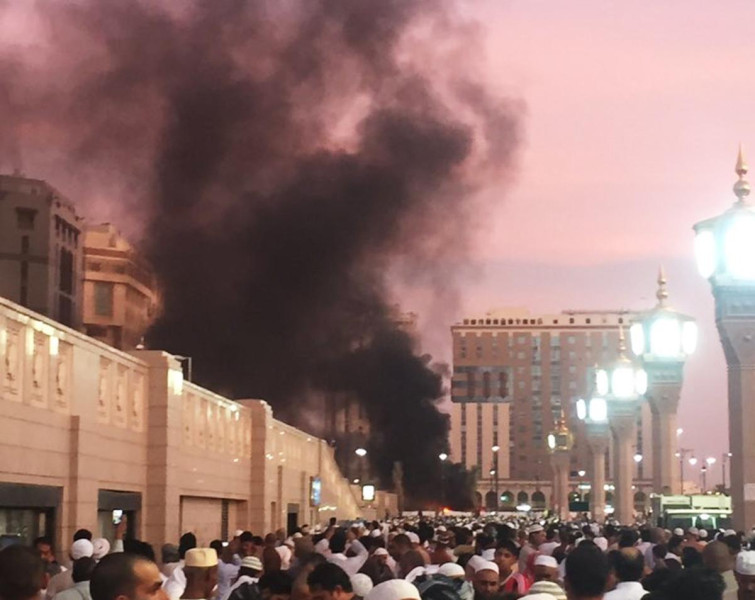
The situation escalated significantly after a deadly attack by the Yemeni Houthis on Riyadh's main commercial airport, which has heightened concerns about the safety of flights in the region. The Houthis have warned global airlines that the area has become a "theater for retaliation," underscoring the heightened risk. The U.S. State Department has also issued a security alert, urging American citizens and carriers to exercise caution due to potential threats to airlines and airports in Saudi Arabia.
Houthi Threats and Flight Cancellations
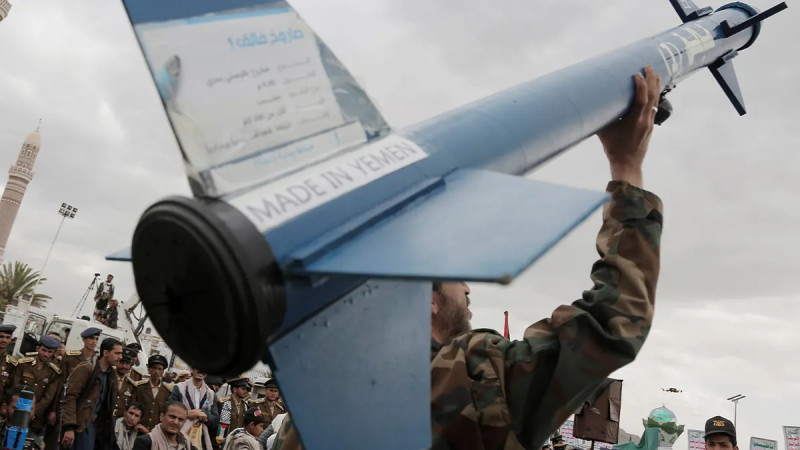
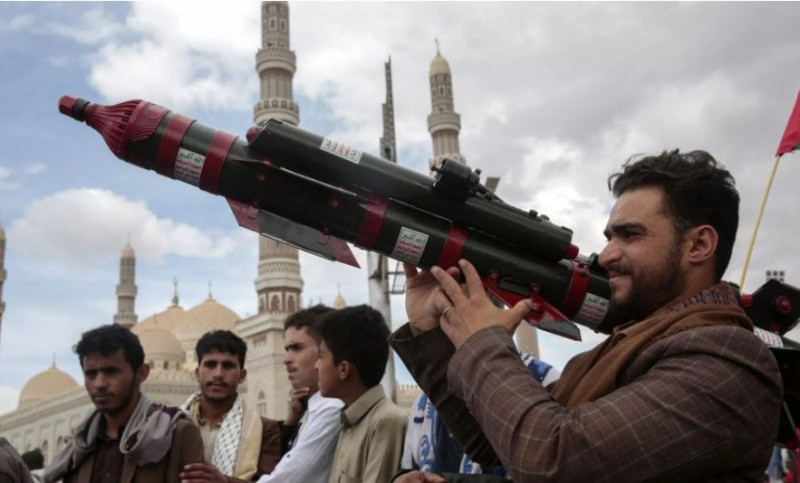
The Houthi movement has declared Saudi airspace "unsafe" for airlines, warning of potential risks to flights in the region. This declaration has led to a wave of flight cancellations and disruptions, with at least 700 flights cancelled across the busiest hubs in Saudi Arabia. The Humanitarian Operations Coordination Centre, affiliated with the Houthi movement, has emphasized that the airspace poses significant risks to aircraft flying to, from, and over Saudi Arabia.
The U.S. Mission in Saudi Arabia has also issued a security alert, warning of potential flight cancellations, airspace closures, and travel disruptions. The alert urges U.S. citizens to check their flight status directly with the airline and the airport, and to exercise extreme caution if they choose to travel through Saudi airspace.
In a recent statement, the Houthis renewed their warning against using Saudi airports, emphasizing that the region bears responsibility for any failed attempts to navigate the airspace safely. The group's latest warnings have further complicated the already challenging situation, adding to the extensive travel disruptions and safety concerns.
The EASA noted that the situation in Saudi airspace is dynamic and could change rapidly, advising airlines to stay vigilant and adapt their flight plans accordingly.
International Response and Safety Measures
In response to the escalating tensions, international aviation authorities have taken significant steps to ensure the safety of flights in and around Saudi Arabia. The FAA's NOTAM, which lasts until December 10, advises airlines to exercise caution due to "ongoing military activities and GNSS interference". The EASA has also expanded the area of Saudi Arabian airspace where it recommends airlines not to operate, reflecting the increasing risks in the region.
The U.S. State Department has issued a security alert, warning of potential threats to airlines and airports in Saudi Arabia following a series of Houthi air attacks that left three people dead and dozens injured. The alert urges American citizens and carriers to exercise caution and stay informed about the changing situation in the region. The U.S. Mission in Saudi Arabia has also encouraged travelers to check their flight status directly with the airline and the airport, and to exercise extreme caution if they choose to travel through Saudi airspace.
The heightened tensions and ongoing military activities in Saudi Arabia have made the airspace a risky environment for airlines, with potential threats to aircraft at all altitudes. As the situation continues to evolve, airlines and travelers must remain vigilant and adapt their plans to ensure safety in this high-stakes theater.
The question remains: how will the international aviation community navigate this treacherous skyline, and what measures will be taken to mitigate the risks posed by ongoing military activities and navigation system interference in Saudi airspace?
Your questions, answered
why are airlines avoiding saudi arabia airspace
the faa and easa cited ongoing military activities and navigation system interference as safety threats.
how many flights were cancelled in saudi arabia
at least 700 flights were cancelled across the busiest hubs in the kingdom.
Quick poll
how should airlines respond to the current saudi airspace warnings?
0 votes
How does this story make you feel?
Topics
 Up next · PoliticsTrump proposes energy ceasefire in Ukraine conflict