Amelia Earhart Expedition Faces Coconut Crab Challenge on Nikumaroro
Researchers on Nikumaroro Island confront thick vegetation, rats, and large coconut crabs while searching for evidence of Amelia Earhart’s 1937 disappearance.
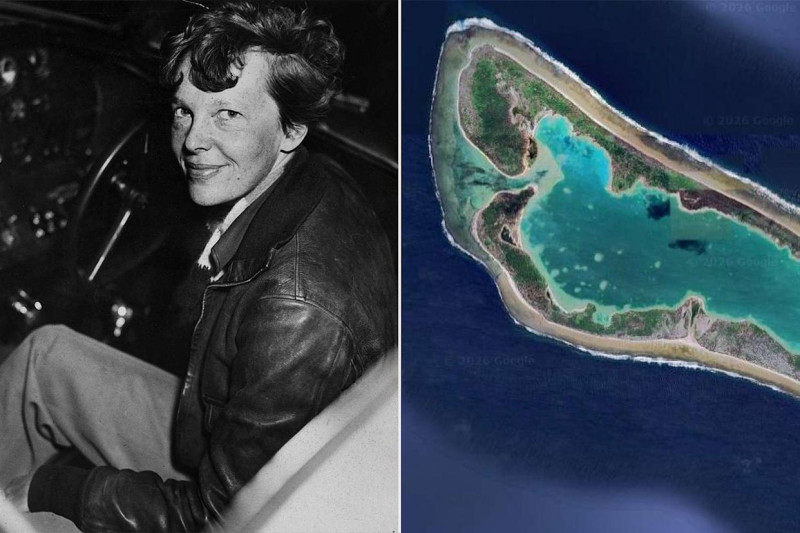
Key points
- The team from Purdue University is hunting for Earhart’s Lockheed Electra wreckage on Nikumaroro.
- A visual anomaly in the lagoon, spotted via satellite, may be the plane’s remains.
- Coconut crabs, up to 60 pounds, roam the island and complicate the search.
- Thick vegetation and rats add further obstacles to the expedition.
- The mission aims to deepen understanding of marine archaeology and historical preservation.
In the dense, sweltering tropical forest of Nikumaroro Island, a team of researchers is grappling with a challenge that is both fascinating and daunting. This expedition, which has recently arrived at the remote Pacific atoll, is not just battling the elements and thick vegetation to uncover the mystery of Amelia Earhart's disappearance — they are also navigating the island's formidable coconut crabs. These massive creatures, capable of lifting up to 60 pounds, roam the terrain, adding an extra layer of complexity to the search for the legendary aviator’s plane.
The Expedition: A Race Against Time and Nature
Amelia Earhart vanished nearly a century ago, and the quest to solve the mystery of her disappearance continues to captivate historians and adventurers alike. Nikumaroro Island, a desolate spot in the Pacific, is the latest focus of this ongoing investigation. The Taraia Object expedition team has been meticulously planning this search, aiming to uncover any remnants of Earhart's Lockheed Electra aircraft, which she was piloting on that fateful flight in 1937.
In recent times, the expedition has faced the daunting task of deciphering a visual anomaly spotted in the island's lagoon. This anomaly could potentially be the wreckage of Earhart’s plane, providing a critical clue to her fate. The expedition, led by researchers from Indiana's Purdue University, is currently in the critical phase of their mission. The coconut crabs, however, are not the only obstacles; the team must also deal with thick vegetation and a plethora of rats, which pose additional challenges to their meticulous work.
With the Marin Mainiku anchored 12 nautical miles from their destination, the team is now equipped with the latest technology and a deep sense of purpose. The expedition is not just about uncovering the truth behind Amelia Earhart's disappearance but also about honoring her legacy and the countless others who have disappeared in the vast expanse of the Pacific Ocean.
The Importance of Historical Context and Technological Advancements
The mystery of Amelia Earhart's disappearance has been a subject of intense scrutiny and speculation for decades. The expedition to Nikumaroro Island, part of the Republic of Kiribati, is the latest in a series of attempts to solve one of aviation's greatest enigmas. This particular expedition is unique because of its focus on a specific visual anomaly in the lagoon, which has been identified through recent satellite imagery.
The search for Earhart’s plane is not just a quest for artifacts; it is a journey through history. The expedition team includes experts in archaeology, aviation, and marine biology, each bringing unique insights and expertise to the mission. The coconut crabs, as formidable as they may be, are also part of this historical narrative. Their presence on the island serves as a reminder of the untamed nature of the Pacific and the challenges Earhart might have faced.
— For the researchers, the coconut crabs are both a symbol of the island’s natural vigor and a practical challenge. These crabs, known for their strength and territorial nature, are not just obstacles but also potential clues. The expedition team hopes that by understanding the crab's behavior and habitat, they might uncover more about the island's secrets and, by extension, Earhart’s fate.
The Future of the Expedition and the Legacy of Amelia Earhart
The expedition is a testament to the enduring fascination with Amelia Earhart and her daring flights. The search for her plane, though fraught with challenges, is a critical step in understanding the legacy of one of the most pioneering aviators in history. The Taraia Object mission, with its focus on technology and historical context, represents the culmination of decades of research and speculation. As the team continues their work on Nikumaroro Island, the world watches with bated breath, hoping that this expedition will finally unravel the mystery of Amelia Earhart’s disappearance.
The team is also cognizant of the broader implications of their work. The search is not just about Earhart but also about the countless others who have disappeared at sea. The expedition hopes to contribute to a deeper understanding of marine archaeology and the preservation of historical sites.
According to available reports, the expedition team is set to continue their meticulous work, navigating the challenges posed by the coconut crabs and the island's rugged terrain. As they delve deeper into the mystery, the world awaits the next revelation from Nikumaroro Island, a place that holds the keys to one of aviation’s greatest unsolved puzzles. The search for Amelia Earhart’s plane continues, with each step bringing the team closer to the truth.
Your questions, answered
What is the main goal of the Amelia Earhart expedition on Nikumaroro Island?
The expedition seeks to locate remnants of Amelia Earhart’s 1937 Lockheed Electra aircraft on Nikumaroro Island.
Why are coconut crabs a problem for the researchers?
Coconut crabs, capable of lifting up to 60 pounds, roam the island and interfere with the team’s work.
How does this story make you feel?
Topics
 Up next · WorldNo winner in $538 million Powerball drawing