Congressman Andy Harris Faces Controversy Over Journalist Accusations
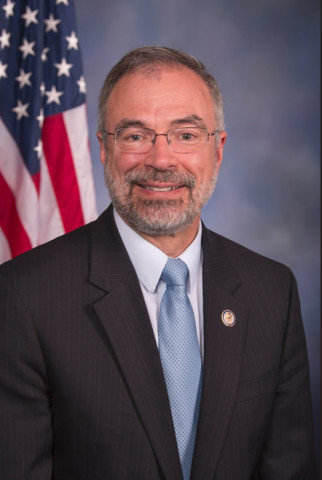
Congressman Andy Harris (R-MD) has found himself in hot water after a heated exchange with a journalist during a recent news conference. The event, involving a student reporter and a contentious Q&A session, has sparked a flurry of reactions and raised questions about freedom of the press and ethical boundaries in journalism. The controversy has brought Harris under intense scrutiny, with his actions being widely criticized and analyzed by both political observers and the general public.
The Incident: Harris Accuses Journalist of Illegal Recording
In a startling turn of events, Harris threatened to have a student journalist arrested during a Q&A session in Cambridge. The congressman, visibly agitated, accused the journalist of illegally recording him, claiming a violation of Maryland's two-party consent laws. The incident unfolded when the journalist asked Harris questions while recording the interaction, leading to a heated exchange that quickly escalated.
The dispute began when Harris, who had already faced criticism for his behavior during a previous debate, attempted to invoke Maryland's two-party consent laws to object to the journalist's recording. The journalist, however, argued that she was legally recording in a public setting, triggering a debate over the boundaries of journalistic practice and legal obligations.
The Aftermath: Social Media Reactions and Legal Questions
The fallout from the incident has been swift and profound. Harris's actions have sparked a wave of criticism on social media, with many accusing him of overreacting and misinterpreting the law. The congressman's attempts to have the journalist arrested have also raised questions about his understanding of journalism ethics and legal frameworks.
Harris's behavior has also prompted discussions about the role of journalists in covering public events and the legalities surrounding recording such interactions. While Maryland's two-party consent laws stipulate that both parties must consent to being recorded in private conversations, the public nature of the event adds layers of complexity to the debate.
The Broader Implications: Freedom of the Press and Political Ethics
The incident involving Harris and the student journalist underscores broader issues related to freedom of the press and the ethical standards expected of public figures. The controversy has renewed debates about the balance between public accountability and individual privacy, particularly in the realm of political discourse.
Harris's actions have been seen as a potential deterrent to journalists seeking to hold public figures accountable, with critics arguing that such threats could stifle investigative journalism and hinder transparency in government.
However, some have defended Harris, suggesting that his allegations, while contentious, highlight the need for clearer guidelines on recording public officials during such interactions. The debate continues as legal experts and political analysts weigh in on the implications of the incident.
The actions of Rep. Andy Harris raise critical questions about the boundaries of journalistic practice and the ethical responsibilities of public figures. As the debate continues, it is clear that the incident will have lasting implications for both journalism and political accountability.
As the next few days unfold, all eyes will be on how Harris and his critics navigate the fallout from this incident. The situation serves as a stark reminder of the delicate balance between public scrutiny and personal privacy in the age of digital journalism.
The controversy surrounding Congressman Andy Harris and his recent interactions with a journalist underscores the complex nature of freedom of the press in the digital age, highlighting the need for clear guidelines and ethical standards in journalism and political discourse.
How does this story make you feel?
 Up next · PoliticsJames Talarico returns to Texas Senate race