Chaos Erupts as Milan Riots Escalate: Rage Over Cost of Living, Wars
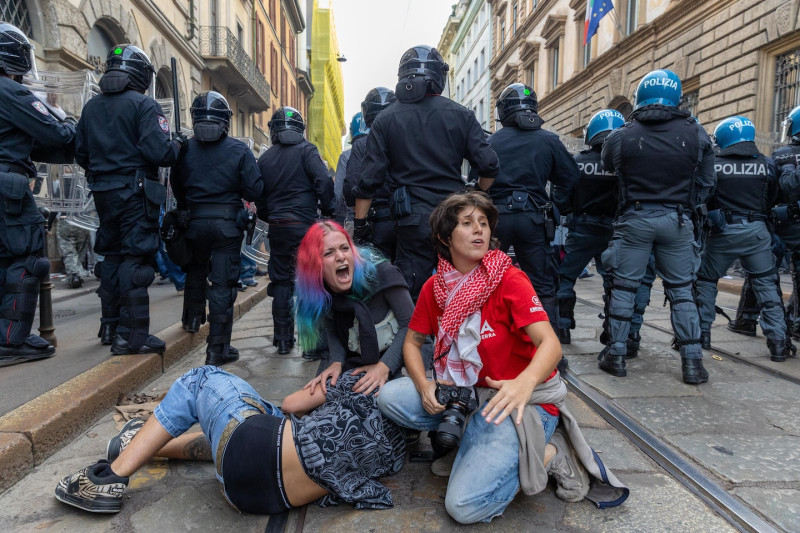
The echo of shattered glass and the acrid smell of tear gas filled the air as a sea of protesters surged through Milan's historic Piazza Duomo. This was no ordinary demonstration; the city was gripped by an outpouring of rage, ignited by soaring living costs and the ongoing wars. The once-peaceful march had spiraled into chaos, with rioters clashing with police, torching barricades, and looting stores. The hum of phones buzzing in pockets — recording the mayhem — was overridden by the crackle of police radios and the shouts of the crowd.
Protesters and Police Clash in Central Milan
In the fluorescent glare of the briefing room, police officers huddled around screens, watching the rapidly deteriorating situation. The Milan riots had escalated in recent protests against wars and rising living costs, with clashes erupting in the heart of the city. Demonstrators, fueled by anger over inflation, low wages, and public service issues, clashed with police in Piazza Duomo, with tensions flaring as rioters took to the streets. The scenes were reminiscent of other recent protests across Europe, where economic hardships have sparked unrest, albeit this time, the focus was squarely on Italy.
As the protests turned violent, police, clad in riot gear, moved to clear the area. In the adjacent Galleria Vittorio Emanuele II, luxury stores were targeted by looters, while barricades burned in the streets. The police responded with tear gas and water cannons, aiming to disperse the crowd and regain control of the situation. The clash was the culmination of weeks of rising unrest, where peaceful marches had given way to more confrontational tactics. The protests were meant to be a voice for the voiceless, a call for action against the escalating cost of living, and the ongoing conflicts that have left so many lives in turmoil. But as the day wore on, the focus shifted away from the protesters' grievances and onto the violence that had unfolded in the streets.
More than 50 demonstrators were detained, marking a stark escalation in what had once been a peaceful march. The situation underscored the deep‑seated frustrations that have been simmering beneath the surface for months. The protests were sparked by a growing sense of disillusionment with the government's handling of the economy and the ongoing wars, which have taken a heavy toll on ordinary citizens.
Mayor's Stance: Condemnation of Violence, Support for Protesters' Grievances
Milan's mayor, Giuseppe Sala — a figure known for his left‑leaning policies — found himself in a delicate position. On one hand, he sympathized with the protesters' grievances; on the other, he condemned the violence that had erupted in the city.
While the mayor's stance was balanced, it was clear that the situation was far from resolved. The protests had revealed a deep rift between the city's residents and those in power, a chasm that would not be easily bridged. The riots were not just about the cost of living — they were symptoms of a broader social and political malaise, a sign that the current system was failing to meet the needs of its people. As the night wore on, the city remained a tinderbox, waiting for the next spark.
Rioters continue to clash with police, looting stores and setting fires in Milan's main square during a protest against wars and rising living costs. The situation remains tense, and the outcome is uncertain.
As the Milan riots continue to unfold, the stakes remain high, and the future of the protests remains uncertain, leaving the city in a state of vigilance, with tensions high and the future unclear. This is far from the end for Milan riots.
How does this story make you feel?
 Up next · PoliticsTrump's Financial Management Under Scrutiny as Midterms Approach