Black Friday 2026: Late Start for the Biggest Shopping Event of the Year
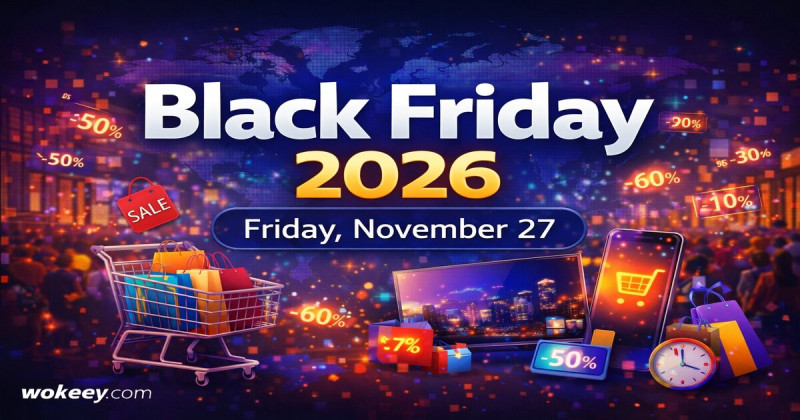
The retail world is in a frenzy, and the holiday shopping season is about to kick off with a bang. Black Friday, the marquee event for bargain hunters and retailers alike, is just around the corner. With the excitement building, consumers are eagerly waiting to know when the deals will begin. But this year, Black Friday 2026 has a late start. It falls on the Friday immediately after Thanksgiving, which is very late in November. This shift could reshape the entire holiday shopping landscape.
The Date and Its Implications
According to multiple reports, Black Friday 2026 is scheduled for the 27th of November. This late start is unusual, as it pushes the shopping frenzy closer to the winter holidays. Historically, Black Friday has acted as the unofficial beginning of the holiday shopping season, but this year, retailers are facing a unique challenge. The extended lead-up to Black Friday, which spans several weeks, could significantly impact sales strategies and consumer behavior.
Some retailers are already planning to begin their sale events earlier than usual, aiming to capitalize on the longer period before the actual Black Friday date. This strategy could dilute the impact of the main event, as consumers might spread their spending over a longer period.
Others are focusing on the extended sales period, predicting that the savings will be spread out over several weeks. This approach could lead to a more leisurely shopping experience, with consumers having more time to browse and compare prices. However, it also poses a risk of reduced foot traffic and online activity on the actual Black Friday day.
But here’s the kicker. Black Friday is still the focal point of the year for millions of Americans. It’s the day when they have off from work, and it officially starts the holiday shopping season. This day is a critical component of the broader retail strategy, and retailers are well aware of its significance. As such, many are still preparing for the big day, even if the actual sales might start earlier.
The Biggest Shopping Day of the Year
For many, Black Friday is more than just a one-day event. It's a cultural phenomenon that has become synonymous with the start of the holiday season. Retailers are gearing up for a massive shopping spree, with deals and discounts across various categories, from electronics to fashion.
The anticipation for Black Friday 2026 is palpable, not just in the United States but also globally. This year, the extended sales period could see more international retailers joining the fray, offering exclusive deals to attract a global audience. This could lead to a more competitive and dynamic shopping environment, benefiting consumers with a wider range of options and better prices.
But with the late start, retailers are also grappling with the challenge of keeping the momentum going until the actual Black Friday date. Early promotions and teaser campaigns are already underway, designed to keep consumers engaged and excited. The success of these strategies will be a critical factor in determining the overall impact of the extended sales period.
Retailers Are Preparing for a Late Start
Retailers are bracing for a unique year, having to navigate a later start for Black Friday 2026. The shift could mean a more competitive landscape, with brands vying for consumer attention and dollars. Early deals and pre-Black Friday sales are already rolling out, with retailers hoping to capitalize on the extended period.
But it's not just about the sales. The holiday shopping season is also a time for retailers to build customer loyalty and brand awareness. With the extended sales period, retailers are focusing on creating memorable shopping experiences, both online and in-store. Think again. This is not just about the deals—it's about the entire customer journey.
Gone. The traditional model of Black Friday as a single-day event is changing. Retailers are adapting their strategies to accommodate the later start, with some even planning to extend their sales beyond the traditional weekend.
This shift could also have broader implications for the economy. With the holiday shopping season starting later, consumer spending might be more spread out, potentially affecting overall economic activity. However, it also presents an opportunity for retailers to innovate and create new shopping experiences that could resonate with consumers long after the holiday season.
Experts predict that while the later start could dilute the impact of Black Friday 2026, it also offers a chance to reimagine the holiday shopping experience. Retailers are already experimenting with new strategies, such as personalized deals and immersive shopping experiences, to keep consumers engaged and excited.
Black Friday is often considered the unofficial start of the holiday shopping season. This year, its late start could reshape the entire landscape of the holiday season, with retailers and consumers alike adapting to a new normal. But what does this mean for the future of holiday shopping? Nobody saw this coming.
As the retail world prepares for the late start of Black Friday 2026, the question remains: will the extended sales period lead to a more competitive and dynamic shopping environment, or will it dilute the impact of the traditional Black Friday event? Only time will tell how the retail world will adapt to this new reality.
''The shift in Black Friday 2026 could lead to a more competitive and dynamic shopping environment, benefiting consumers with a wider range of options and better prices. Retailers are adapting to the new normal, focusing on creating memorable shopping experiences to keep consumers engaged and excited, even as the traditional model of Black Friday as a single-day event is changing.
How does this story make you feel?
 Up next · BusinessDollar falls 0.9% as Lula re‑elected, Brazilian markets react