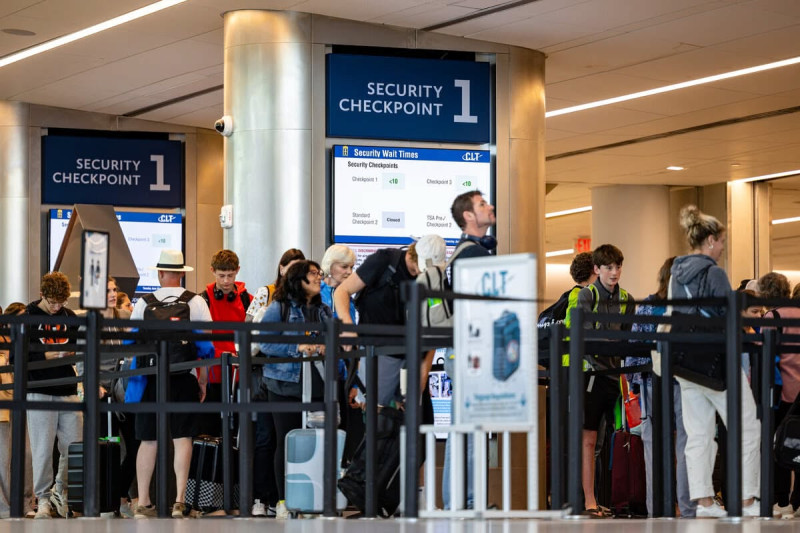
Fire at Houston’s George Bush Intercontinental Airport Restaurant
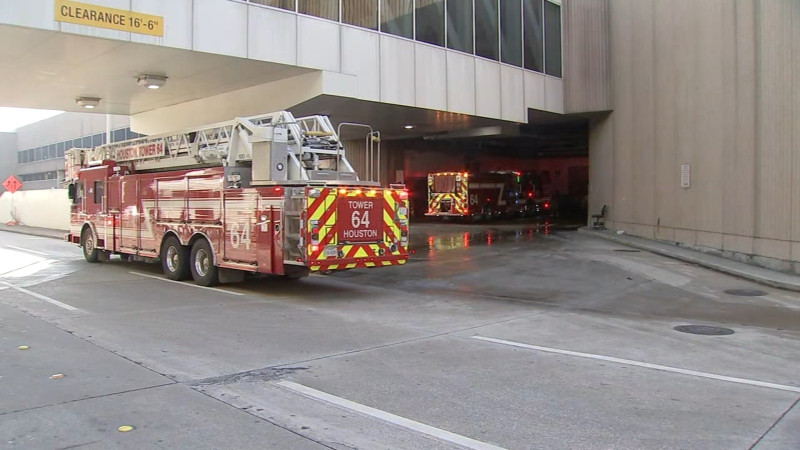
A restaurant fire in Terminal C North at Houston’s IAH sparked panic and raised questions about airport fire safety after the Houston Fire Department responded at 4:21 p.m. to contain the blaze.
Key points
- The blaze started in a restaurant in Terminal C North and spread smoke throughout the terminal.
- Houston Fire Department arrived at 4:21 p.m. and relocated passengers to keep them safe.
- The cause of the fire remains undetermined.
- United Express Flight 6153 was evacuated due to smoke in the cabin after pushback.
- The incident highlights the need for stronger airport fire safety protocols.
Houston's George Bush Intercontinental Airport (IAH) was rocked by a dramatic airport fire this month, sending panic through the bustling hub and raising questions about aviation safety in recent times. The fire at Houston's airport was not an isolated incident. In recent months, multiple fires have been reported in the airport.
The fire broke out in a restaurant located in Terminal C North, spreading smoke and causing widespread concern among travelers and aviation officials.
Let's examine the details of this incident, the response efforts, and the broader implications for passenger safety.
Restaurant Fire at Terminal C North
The fire at IAH was a stark reminder of the ever-present risk of fire at airports. It occurred in a restaurant located in Terminal C North, where the flames and smoke quickly escalated. The Houston Fire Department (HFD) quickly responded, arriving at the scene around 4:21 p.m. This swift response was crucial in mitigating the damage and ensuring the safety of passengers.
The HFD acted swiftly to relocate passengers inside the terminal, demonstrating a high level of preparedness. HFD's prompt response likely played a pivotal role in preventing a more catastrophic event, but the cause of the fire remains undetermined.
Implications for Passenger Safety
The fire at IAH raises critical questions about the safety protocols in place at major airports. The incident highlights the need for robust airport fire safety measures and emergency response plans. Authorities have emphasized that the relocation of passengers was a precautionary measure, but the smoke-filled cabin of a United Express Flight 6153 underscores the potential for danger.
The evacuation of United Express Flight 6153 due to smoke in the cabin, shortly after pushback, was a sobering reminder of the risks involved. The crew's safe exit was a testament to the effectiveness of emergency protocols, but the incident serves as a wake-up call for enhanced safety measures.
One might argue that the recent fire at IAH is an outlier, a rare event that should not overshadow the overall safety record of airports. However, the data is damning. Multiple fires have been reported at airports in recent times, indicating a pattern that cannot be ignored.
Here's what nobody's asking: How many more incidents like this will it take for airports to implement stricter safety protocols and ensure that passengers are better protected? The answer lies in a comprehensive review of safety measures and a commitment to continuous improvement.
As we grapple with the aftermath of the recent fire at IAH, let's ask ourselves: Are our airports truly prepared for such incidents?
"The safety of passengers is our top priority, and we will continue to work diligently to ensure that all measures are in place to prevent such incidents in the future." – Houston Fire Department Spokesperson
Your questions, answered
What caused the fire at Houston’s IAH?
The cause of the fire remains undetermined.
How did the Houston Fire Department respond?
They arrived at 4:21 p.m., relocated passengers, and contained the blaze.
How does this story make you feel?
Topics
 Up next · WorldMbappé’s remarks spark backlash, Chinese brands sever ties