Learjet 60 crash in Palm Beach County kills nine
A Learjet 60 crashed in Greenacres, Florida, killing all nine people on board while en route from Austin to the Bahamas, prompting an FAA and NTSB investigation.
Key points
- All nine passengers aboard a Learjet 60 died when the aircraft crashed in Greenacres, Palm Beach County, Florida.
- The jet was traveling from Austin, Texas, to North Eleuthera in the Bahamas when it crashed around midday.
- The FAA reported the aircraft experienced a rapid dive of approximately 350 feet per second before impact.
- The crash site is a residential neighborhood, and the aircraft created a large crater and explosion on impact.
- The FAA and NTSB are investigating the cause, with initial reports suggesting potential mechanical issues or turbulence.
In a horrifying turn of events, a catastrophic plane crash in Palm Beach County, Florida, has shaken the aviation community and raised urgent questions about air safety. A Learjet 60, bearing the registration number N722BD, plummeted from the skies, killing all nine passengers onboard. The tragedy unfolded as the jet was en route from Austin, Texas, to the Bahamas, highlighting the devastating consequences of such incidents. This is a grim reminder of the ever-present risks associated with air travel, underscored by the rapid descent of the Learjet 60, which left many wondering what could have gone wrong.
The Devastating Aftermath and Emergency Response
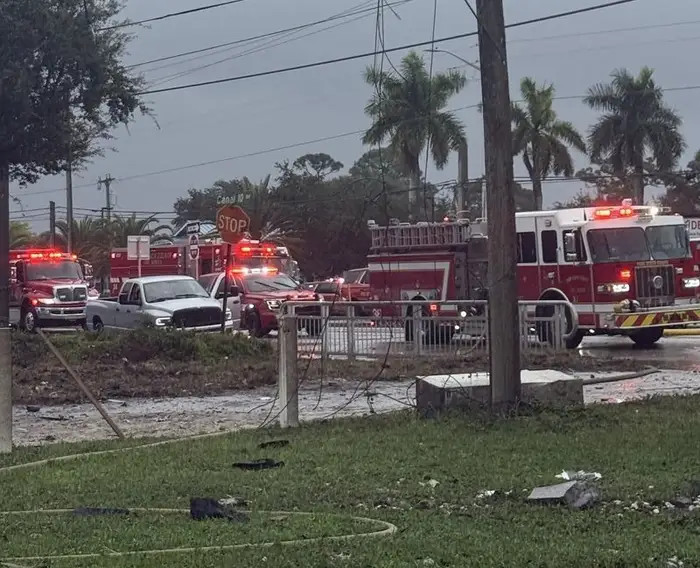
Emergency services rushed to the scene in Greenacres, a neighborhood in Palm Beach County, where the Learjet 60 crashed after a rapid dive, creating a large crater and causing an explosion on impact. The crash occurred around midday, leaving the community in shock and grief. Videos circulating on social media captured the aircraft's steep descent, providing a harrowing glimpse into the final moments of the doomed flight. The Federal Aviation Administration (FAA) was swift to respond, confirming the grim details of the incident and the tragic loss of lives.
The FAA's preliminary report indicates that the Learjet 60 experienced a rapid dive of approximately 350 feet per second, an alarming rate that suggests a catastrophic failure or catastrophic emergency. The jet, a 22-year-old model, was on its way from Austin, Texas, to North Eleuthera in the Bahamas, adding to the complexity of the investigation.
Investigation and Initial Findings
As investigators scour the wreckage and analyze the flight data, several questions have emerged regarding the causes of the crash. The Learjet 60, known for its reliability and performance in the business jet industry, has a long history dating back to its inception by Bill Lear in 1959. The aircraft is part of the Learjet family, renowned for its contributions to the business jet industry. The 22-year-old model involved in the crash had undergone rigorous testing and maintenance protocols, raising questions about potential mechanical failures or pilot error.
While the FAA and the National Transportation Safety Board (NTSB) are conducting a thorough investigation, initial reports suggest that the jet might have encountered severe turbulence or mechanical issues. The rapid descent and the ensuing explosion point to a sudden and catastrophic failure that left the pilots with little to no time to react. The Learjet 60 is known for its speed and performance, but this tragic incident highlights the inherent risks associated with high-speed flights, even for experienced pilots.
The crash site, a residential neighborhood, adds a layer of complexity to the investigation, as authorities must consider the impact on the community and the potential for secondary disasters. The FAA's involvement and the ongoing investigation underscore the importance of air safety regulations and the need for vigilant maintenance and oversight.
In a tragic turn of events, the Learjet 60's history of reliability and performance has been overshadowed by this devastating incident, prompting a deeper look into the safety protocols and maintenance standards for business jets. The data is damning, and let's not kid ourselves, this is a grim reminder of the ever-present risks in aviation. The Learjet 60, once a symbol of innovation and luxury, has now become a stark reminder of the potential dangers lurking in the skies.
The incident has prompted calls for increased scrutiny and regulation within the aviation industry, with experts suggesting that more frequent inspections and stricter safety protocols could prevent future tragedies.
Historical Parallels and Averting Future Tragedies
The Learjet 60 crash in Palm Beach County echoes a similar tragedy that occurred in October 1992, involving a Learjet 24 that crashed in Florida, killing eight people. The causes of the crash were attributed to a combination of mechanical failure and human error, leading to significant changes in safety regulations and maintenance protocols.
As the Learjet 60 tragedy continues to unfold, it serves as a stark reminder of the importance of vigilant oversight and adherence to safety standards in the aviation industry. Here's what nobody's asking: could this tragedy have been averted with stricter regulations and more rigorous maintenance protocols? The answers lie in the hands of investigators and aviation experts, who must work together to ensure that such tragedies do not repeat themselves. The Learjet 60 crash in West Palm Beach, Florida, is a grim reminder of the risks involved in air travel, and a call to action for the aviation industry to prioritize safety above all else. Let's ensure that the lessons learned from this tragedy are not forgotten, and that the skies remain safe for all who dare to fly.
Your questions, answered
Where did the Learjet 60 crash in Florida?
The Learjet 60 crashed in Greenacres, a neighborhood in Palm Beach County, Florida.
How many people died in the Palm Beach plane crash?
All nine passengers on board the Learjet 60 were killed in the crash.
What was the destination of the crashed Learjet 60?
The aircraft was en route from Austin, Texas, to North Eleuthera in the Bahamas.
How does this story make you feel?
Topics
 Up next · WorldMiami Weather: Flash Flood Warnings Amid Heavy Rainfall