Marathon Runner's Tragic Death Highlights Rare Condition: Rhabdomyolysis

In the realm of endurance sports, tragedies can sometimes strike even the most prepared athletes. Recently, the running community was rocked by the sudden death of a 24-year-old marathoner who collapsed just two miles from the finish line of the New York City Marathon. The cause of her tragic demise? A rare but life-threatening condition known as rhabdomyolysis.
What Is Rhabdomyolysis?
Rhabdomyolysis, often abbreviated as rhabdo, is a condition that causes muscles to break down and disintegrate, releasing their contents into the bloodstream. This can lead to severe complications, including kidney failure and even death. While it can be triggered by various factors, intense physical exertion is a common cause, which is why endurance athletes are particularly at risk. It's a condition that can be hard to detect, as its symptoms can be easily overlooked or misdiagnosed.
The Tragic Story of Rachel Apa
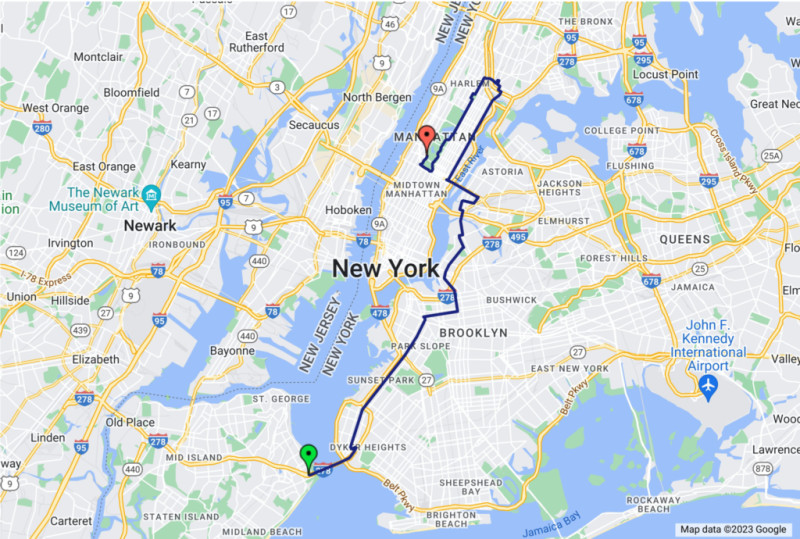
Rachel Apa, a 24-year-old first-time marathon runner, was just 2 miles away from the finish line of the TCS New York City Marathon when she suddenly collapsed. Despite being in perfect health, she succumbed to rhabdomyolysis — a rare muscle condition that can be triggered by intense exercise. Her father later confirmed that it was this condition that led to her untimely death. Apa's tragic story has brought the condition into the spotlight, raising awareness about its symptoms and the risks it poses to endurance athletes.
Understanding the Symptoms and Risks
Rhabdomyolysis can present with a range of symptoms, some of which may be subtle and easily missed. Common signs include muscle pain, weakness, and dark urine. However, these symptoms can be so mild that they are often ignored or attributed to muscle soreness from intense exercise. Look, it's a scary thought: you could be in the middle of a marathon, feeling great, and then suddenly, your muscles start to break down. Sound familiar? This is what makes rhabdomyolysis particularly dangerous for marathon runners and other endurance athletes.
“Rhabdomyolysis is not a hereditary condition, but there are things which can increase someone's risk factor for it. These include people who are endurance athletes, such as marathon runners, spin classes, or other endurance sports.” - A CBS News Report
And then — get this — even if you're in perfect health, as Apa was, you're not immune. The condition can strike anyone, and it's especially dangerous for those who push their bodies to the limit. Here's the thing: while rhabdomyolysis can be fatal, it's also preventable and treatable if caught early. But the key is recognizing the symptoms in time.
The rhabdomyolysis is not just a risk for marathon runners. Any intense physical activity, from spin classes to extreme sports, can trigger this condition. So, if you're an endurance athlete, it's crucial to be aware of the signs and to listen to your body. If something doesn't feel right, it probably isn't. And remember, it's always better to err on the side of caution.
Additionally, those who are already dehydrated, are experiencing repeated muscle impact, or are using certain medications or substances, are at a higher risk of developing this condition. It's a serious reminder that even the fittest and most prepared athletes can be at risk.
In the wake of Apa's death, the running community has been left grappling with the reality of this rare but dangerous condition. It's a sobering reminder that even in the pursuit of personal bests, our bodies have limits. And it's a call to action for athletes and medical professionals alike to be more vigilant about the signs and symptoms of rhabdomyolysis.
How does this story make you feel?
 Up next · SportsTragedy Strikes Tenerife: Jesús de Miguel Dies After On-Field Collision