Montana Senate Election Results: Republicans Victorious in Tight Race
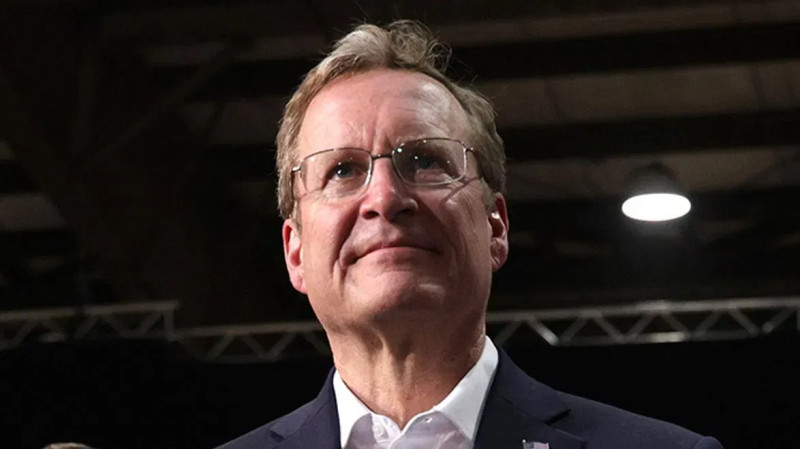
In a closely-watched Montana election race, Republican Kurt Alme has emerged victorious in the contest to fill the U.S. Senate seat vacated by retiring Sen. Steve Daines. Alme's win, against independent Seth Bodnar and Democrat Alani Bankhead, marks a significant political shift in the state, particularly as Bodnar's independent candidacy garnered notable support, highlighting the growing dissatisfaction with traditional party politics in recent times.
The Montana Senate Race: A Clash of Titans
The Montana Senate election was, in many ways, a battle for the soul of the state. The race featured three primary candidates: Kurt Alme, the Republican challenger, Alani Bankhead, the Democrat, and Seth Bodnar, the independent candidate. This race was particularly notable as it was the first open Senate seat in the state in recent years, providing a unique opportunity for all three candidates to stake their claims. Alani Bankhead, a military veteran and political newcomer, and Seth Bodnar, the former president of the University of Montana, represented a fresh wave of candidates challenging the traditional political establishment. The independent candidate Seth Bodnar, who secured 38.6% of the vote, had a significant impact on the political landscape, pushing Alme to a narrow win by gaining 48% of the vote.
The Surprise Factor: Seth Bodnar's Strong Performance
One of the most striking aspects of the Montana election results was the strong showing of independent candidate Seth Bodnar. Initially seen as a long shot, Bodnar managed to capture a substantial portion of the vote, finishing with 38.6%. His campaign, which focused on bipartisan cooperation and political independence, resonated with a significant number of voters who are increasingly disillusioned with traditional party politics. The data suggests that voters are willing to look beyond party lines, especially when they believe that candidates from the major parties are not adequately addressing their concerns. Bankhead, the Democratic candidate, trailed behind with just 12% of the vote, indicating a broader trend of dissatisfaction with the Democratic Party's message or strategy.
The Impact on Montana's Political Landscape
This election underscores the Montana election results and the shifting political dynamics in the state. Let's not kid ourselves, the outcome of this race has significant implications for the state's political future. The victory of Kurt Alme, a first-time federal candidate, signals a potential realignment of political power in Montana. Alme's win suggests that voters are increasingly willing to support new faces, especially those who promise to bring a fresh perspective to Washington. This shift could influence future elections, encouraging more independent and first-time candidates to enter the political arena, challenging the status quo. The move also gives Alme a leg up, as he will be the first Republican Senator from Montana in over a decade, potentially reshaping the state's political landscape for years to come.
A counter-argument here could be that Alme's victory was more about the specific candidates and less about a broader trend. Some analysts suggest that Bodnar's strong showing was more about his personal popularity and the unique circumstances of this election rather than a broader shift in voter sentiment. However, the data is damning: the significant support for an independent candidate, coupled with the relatively low turnout for the Democratic candidate, indicates a deeper dissatisfaction with traditional party politics, here's what nobody's asking, are we witnessing the beginning of a new political era in Montana?
But let's not overlook the broader implications of these results. The rise of independent candidates like Bodnar and the narrowing margins of victory in the political arena suggest that voters are demanding more authenticity and independence from their representatives. The strong showing of Bodnar, a political newcomer who was able to resonate with voters by emphasizing his independence from traditional party politics, shows that voters are increasingly seeking candidates who are willing to break away from partisan norms and focus on addressing citizens' concrete concerns.
As we reflect on these election results, it is clear that the growing influence of independent candidates in Montana should not be underestimated. Here's what we should be asking: how will the Republican Party adapt to the changing political landscape, and what will it mean for the future of the state's political landscape? Will other candidates seek to follow Bodnar's lead, highlighting their independence and non-partisan stances, or will the traditional party apparatus continue to dominate? The answers to these questions will shape the future of politics in Montana and beyond. The race to succeed Sen. Steve Daines was not just a political contest but a referendum on the future of Montana's political culture. As we close the chapter on this election, it is worth reflecting on the parallels between this race and the broader trends shaping American politics today. For instance, we could draw a comparison to the election of 2016, when independent and third-party candidates shook up the political establishment, forcing traditional parties to confront new realities.
How does this story make you feel?
 Up next · PoliticsSam Forstag: The Wildfire Fighter Shaking Up Montana Politics