Massachusetts voters approve most of nine ballot questions
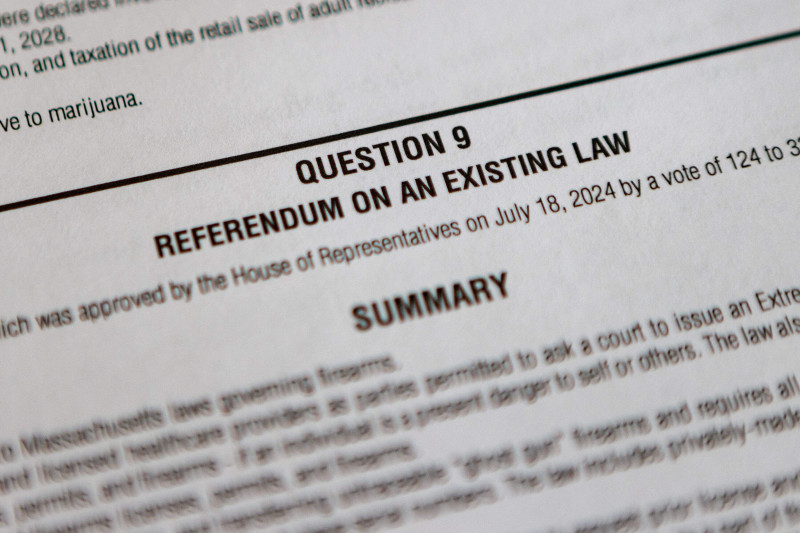
In the November 3 election, Massachusetts voters largely approved nine ballot measures, with only two—tax refunds and housing lot sizes—remaining too close to call.
Key points
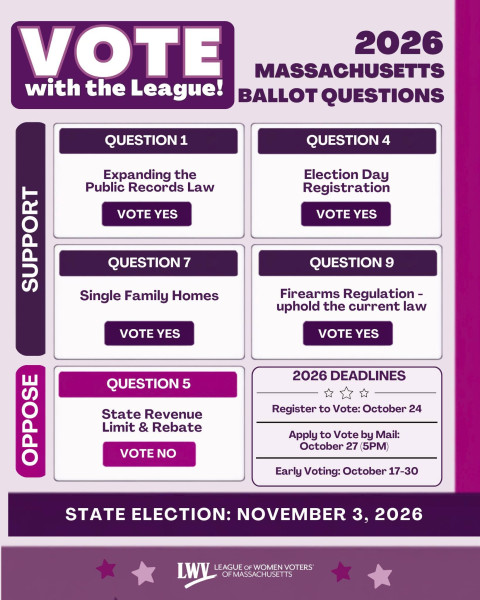
- Massachusetts voters approved most of nine ballot questions, including public records expansion and Election Day registration.
- The housing measure to allow smaller single‑family lot sizes and a tax refund measure were the only questions too close to call.
- Governor Maura Healey and Senator Ed Markey won re‑election, and Dan Koh was elected to the U.S. House.
- Nationally, Democrats flipped several Senate seats and gained control of the House, setting up a divided federal government.
Massachusetts voters decided on a record-tying nine ballot questions during the November 3, 2026, election. The state’s electorate overwhelmingly approved several measures, including provisions to expand the state's public records law and allow Election Day voter registration. Despite the decisive outcomes on multiple issues, two ballot measures remained undecided as of Wednesday morning, November 4, 2026.
The two unresolved measures concern tax refunds and housing lot sizes. Question 7, a housing measure designed to allow smaller lot sizes for single-family homes, was nearly tied. Boston voters, who are exempt from the measure, heavily supported it, contributing to the close margin that prevented an immediate declaration of a winner. The other undecided measure involves tax refunds. Both questions remained too close to call in the early hours following the election.
In addition to the ballot questions, Massachusetts voters participated in races for governor, the U.S. Senate, and the U.S. House of Representatives. Governor Maura Healey won a second term, and Senator Ed Markey secured a third term. Dan Koh was elected as the state's newest member of Congress from the North Shore. The Associated Press called several of the state's top races shortly after the polls closed at 8 p.m. on Tuesday, November 3.
Nationally, the election results reflected a significant shift in political power. Democrats swept nearly all competitive congressional races, flipping Senate seats in states including North Carolina, Ohio, Iowa, Texas, Kansas, and South Carolina. Democrats also regained control of the House of Representatives, holding at least 10 more seats than the 218 required for a majority as of Wednesday morning. This outcome sets the stage for a divided government for the remaining two years of President Trump's second term.
How does this story make you feel?
 Up next · PoliticsAmy Acton wins Ohio governor race