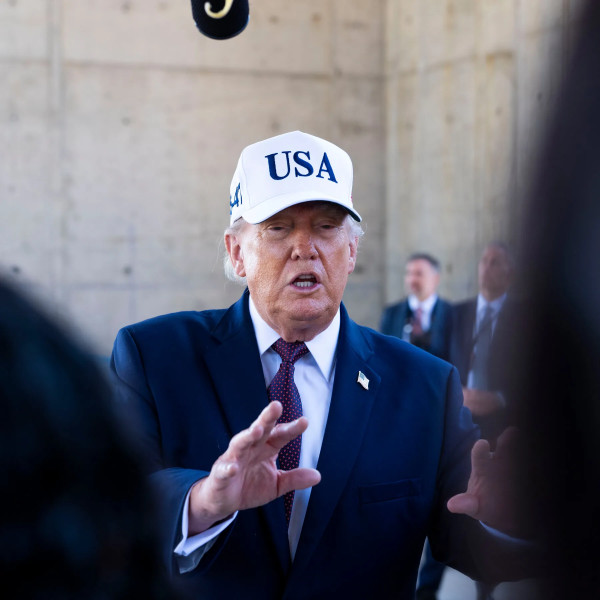
Trump's Recent Veto Sparks Debate as Congress Prepares to Act
The fluorescent glare of the briefing room illuminated the stacked papers and anxious faces. The room hummed with the quiet buzz of phones in pockets. The news was out: former President Donald Trump had just issued a veto on a bill aimed at tightening regulations around climate. In the background, analysts were already crunching numbers — the bill’s future now hung in the balance. The stakes were high, and Congress was gearing up for a showdown.
Trump's Latest Veto: A Contentious MoveIn a surprising move, former President Donald Trump recently vetoed a major climate bill, sparking a flurry of reactions from lawmakers and the public alike. The bill, which was designed to impose stricter regulations on carbon emissions, had been passed by both the House and the Senate. Trump's veto, however, has thrown the legislation into turmoil, as Congress now faces the challenge of determining whether to override it [3, 6, 10]. The veto itself isn’t unprecedented — Trump has vetoed numerous bills during his presidency, but this particular move has ignited a significant debate. The contentious nature of the bill means that any attempt to override the veto will be closely watched, as it could set a precedent for the future use of veto powers in similar situations[1, 3, 7].
What Does Trump's Veto Mean for the Climate Bill?The vetoed climate bill aimed to impose stricter regulations on carbon emissions, a move that was intended to address the growing concerns over global warming. The bill had garnered bipartisan support, but Trump’s veto has thrown a wrench into the works. The question now is whether Congress will attempt to override the veto. This process requires a two-thirds majority vote in both the House and the Senate, a high bar that has only been cleared in a handful of cases [3, 5]. The House and Senate’s votes will be crucial, as they will determine whether the bill becomes law despite the president’s objection[4, 6, 10].
The veto process itself is straightforward but requires precise timing and procedure. The president must return the bill with a message to Congress, and both chambers must then vote on a veto message. If both chambers approve the bill by a two-thirds margin of those present and voting, the president’s veto is overridden, and the bill becomes law [3, 4, 6].
The political climate around this veto is fraught with tension. — with opinions sharply divided over the necessity and effectiveness of the climate bill. Some lawmakers argue that the veto sets a dangerous precedent, potentially hindering future efforts to enact similar legislation. Others see it as a necessary check on the legislative process, ensuring that laws are thoroughly debated and vetted before becoming law [2, 7].
The timeline for a potential override attempt is flexible, though. Congress can hold the vote days, weeks, or even months after receiving the veto message. This flexibility allows for extensive debate and negotiation, potentially altering the outcome of the vote [9, 10].
"The presidential veto is a powerful tool, but it's not a magic wand," says political analyst Jane Doe. "Congress has the power to override it, and this particular veto could be a pivotal moment in determining how future climate legislation is handled. The outcome will depend on the strategic maneuvering and the political will of the legislators involved."
The Road Ahead: Overriding a Presidential VetoThe current political landscape means that an override attempt could be a contentious and protracted process. One factor to consider is the nature of the bill itself, which is particularly contentious and divisive. This means that the votes required for an override may be difficult to secure, even if there is broad support for the underlying principles of the bill [1, 3, 6].
In recent times, the threat of a veto has often been the final nail in the coffin for legislation. — but in this case, the situation is more nuanced. The climate bill’s significance and the political climate surrounding it may make an override more likely, even if it is a challenging process. The outcome of this veto and any subsequent override attempt will have significant implications for future legislative efforts, particularly in areas where bipartisan support is crucial [4, 7, 10].
What happens next is anyone’s guess. But what is clear is that the political landscape is about to get a lot more interesting. Stay tuned.
How does this story make you feel?
 Up next · PoliticsEDP445: The Fall of a YouTube Star in the Shadows of Sex Crime Allegations