Arizona Governor Race: Katie Hobbs Secures Historic Victory
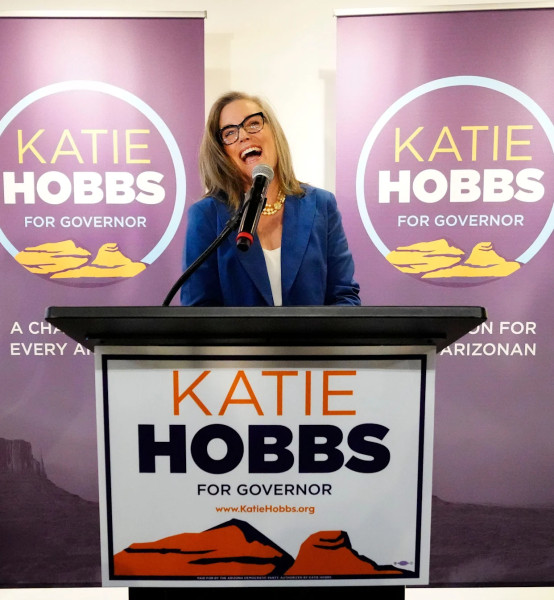
In a showdown that gripped the nation, Democratic incumbent Katie Hobbs has won the Arizona gubernatorial election, marking a significant milestone in the state's political history. The victory is a testament to Arizona's shifting political landscape and Hobbs' strategic campaigning, which has garnered widespread attention and support.
Katie Hobbs vs. Andy Biggs: A Contentious Battle
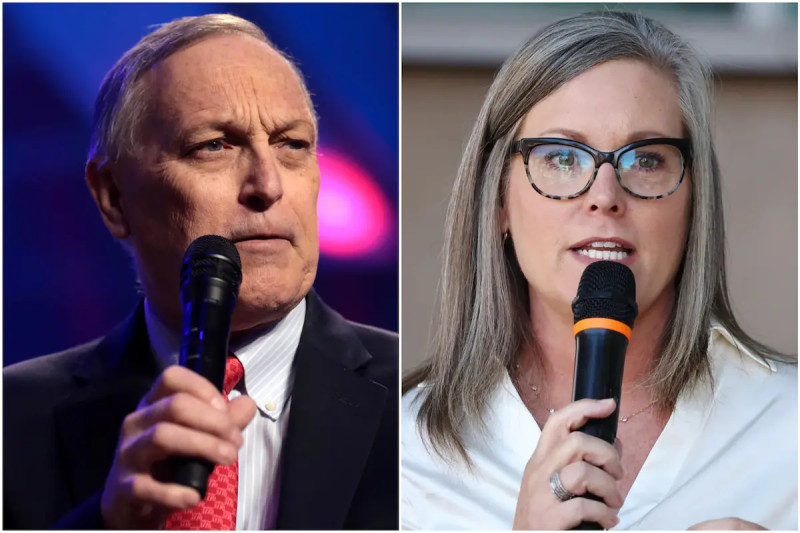
The 2026 Arizona gubernatorial election pitted incumbent Democratic Governor Katie Hobbs against Republican Representative Andy Biggs. The race was closely watched for several reasons, including Biggs' controversial stances on election integrity, which included promoting conspiracy theories about the 2020 presidential election. Hobbs, on the other hand, campaigned on a platform of stability, economic growth, and bipartisan cooperation.
Biggs' campaign was weighed down by questions about his past election denialism, particularly his role in efforts to overturn the 2020 presidential election, when a majority of Arizona voters cast ballots for Democrat Joe Biden over Donald Trump.
Hobbs' victory is a notable win in the context of Arizona's political climate, which has seen increasing polarization and intense debates over issues such as immigration, healthcare, and election integrity. The incumbent's ability to secure a second term amidst these challenges underscores her political resilience and strategic acumen.
Democratic Resurgence in Arizona
Hobbs' reelection is particularly significant as she becomes the first Democrat to win a second term as governor in Arizona since 2006. This victory signals a resurgence of Democratic influence in a state that has traditionally been a Republican stronghold. The outcome of this election suggests a shift in voter sentiment, with many residents favoring policies that prioritize social issues, economic equity, and governmental transparency.
One of the key factors driving Hobbs' victory was her focus on bipartisan cooperation. In a state known for its political divisions, Hobbs' ability to bridge gaps and work across party lines was a critical point of her campaign. She emphasized the importance of unity and collaboration in addressing the state's challenges, resonating with a broad spectrum of voters.
"The campaign was about bringing people together, finding common ground, and moving Arizona forward. It's about showing that we can have a healthy democracy, even in a divided state," says a senior campaign advisor who wished to remain anonymous.
The Role of Election Denialism in the Campaign
Election denialism played a pivotal role in the 2026 gubernatorial race. Biggs' controversial views on election integrity and his involvement in the 2020 election controversies were a significant point of contention. Hobbs capitalized on this by positioning herself as a champion of democratic principles and electoral integrity, a stance that resonated with many voters who valued transparency and trust in the electoral process.
The outcome of this election underscores the broader implications of election denialism in American politics. As voting rights and election security continue to be hot-button issues, the results in Arizona may serve as a bellwether for future elections, where candidates' stances on these issues could determine their electoral fortunes.
As Arizona forges ahead with a Democratic governor at the helm, the state's future remains a topic of intense speculation. With Hobbs now set to lead for another term, the focus will turn to policy implementation, bipartisan cooperation, and navigating the complex political landscape of Arizona.
As Hobbs prepares to continue her term, the Lieutenant Governor race has also taken center stage. For the first time, Arizonans voted for a gubernatorial ticket and chose a lieutenant governor to be the state's second-in-command. This new dynamic adds an additional layer of governance, with the lieutenant governor stepping in if the governor cannot finish their term.
How does this story make you feel?
 Up next · PoliticsSenate Majority Leader John Thune: Navigating a Post-Election Shakeup