California Propositions 2026: A Shifting Landscape

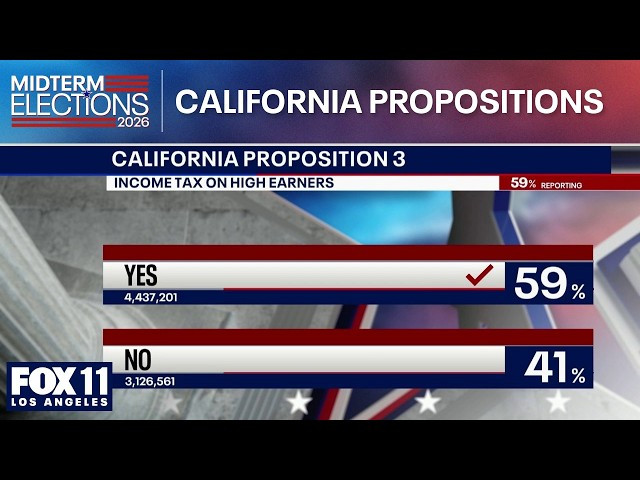
California voters recently faced a crucial decision on 14 statewide propositions, a mix of policy, financial, and social issues. These propositions cover everything from education funding to housing policies, and the results are as varied as the propositions themselves. Amidst the ongoing debate on what California stands for, the outcomes of these propositions could change the state's political and social landscape for years to come.
Education and Healthcare Policies at the Forefront
Education funding and healthcare policies have always been a hot topic in California, and this year's propositions are no exception. Proposition 40, which aims to increase funding for public education, has seen a significant push from educational advocates. The proposition, if passed, would allocate additional funds to support public schools across the state, addressing long-standing issues in the education system. As of the latest count, Proposition 40 appears to be leading, but the final tally remains uncertain.
Proposition 43, on the other hand, deals with healthcare access. This proposition seeks to expand Medicaid eligibility, ensuring that more low-income residents have access to essential healthcare services. With healthcare costs rising, this proposition has garnered significant support, particularly among advocacy groups fighting for universal healthcare. As the votes are counted, Proposition 43 is showing a strong lead, though the race is far from over.
Housing and Environmental Issues Take the Spotlight
Housing and environmental issues have also taken center stage in the 2026 California propositions. Proposition 45 focuses on housing affordability, aiming to provide tax relief for first-time homebuyers and renters. The housing crisis in California has long been a contentious issue, with high living costs pushing many residents to the brink. As of now, Proposition 45 appears to be gaining traction, reflecting the public's growing concern about housing affordability.
Proposition 46, on the other hand, deals with environmental conservation. This proposition seeks to implement stricter regulations on industrial activities, particularly in areas impacted by pollution. With climate change and environmental degradation at the forefront of global concerns, Proposition 46 has garnered support from environmental advocates pushing for a greener California. However, its passage remains uncertain as votes are still being tallied.
“The results of these propositions will shape California’s future in profound ways, from education and healthcare to housing and the environment. The outcomes are a reflection of the state's evolving priorities and values, setting a new course for the years to come.” — Analyst at NBC News
Political Shifts and Public Sentiment
These propositions are not just about policy changes; they reflect a broader political shift in California. Voter participation has been high, with residents eager to have their voices heard on issues that directly impact their daily lives. This heightened engagement suggests a growing sense of civic responsibility and a desire for change.
As the results continue to come in, the questions remain: Will these propositions be enough to address the long-standing issues in education, healthcare, housing, and the environment? Or will California need to look beyond these measures for more comprehensive solutions? Nobody saw this coming – a state known for its progressive stance is now grappling with the complexities of implementing these propositions. If Proposition 43 passes, a surge in healthcare access could spell a new era of healthcare policy. If Proposition 46 gets the green light, it could set an example for other states grappling with environmental degradation.
Gone. The political landscape of California is on the edge, holding its breath as the votes are counted. The outcome of these propositions could set a precedent for future policies, influencing everything from education to environmental conservation. As the state braces for change, one thing is certain: California’s future is at a crossroads, and the next few days will determine the direction it takes. Think again. This is not just about politics; it's about the lives of millions of Californians, their hopes, and their dreams. The results of these propositions will echo through the halls of power and the streets of the Golden State, shaping the future of California for years to come.
How does this story make you feel?
 Up next · PoliticsJonathan Nez Clings to Hope as Arizona's 2nd Congressional District Race Remains Too Close to Call