Lancaster County Election Results: A Tense Battle for Political Control
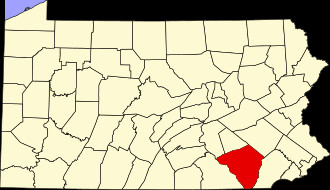
Across Lancaster County, Pennsylvania, the air is thick with anticipation as residents await the final tallies in a closely watched election. In the 36th Senate District, the stakes are particularly high, with Republicans determined to reclaim a seat that only recently swung to the Democrats. The county's 13 races are being dissected vote by vote, as every ballot cast, whether in-person or by mail, races in recalculating the district dynamics.
Counting the Ballots: The Battle for the 36th Senate District
In the heart of Lancaster County, the 36th Senate District has become a focal point in the state's political landscape. Republicans have recently made significant strides, reclaiming the district in the 2026 elections, showcasing their resilience after a surprising win by Democrat James Malone in a previous special election. The vote-counting process, with its intricate procedures and varied timelines, adds another layer of complexity, reflecting the meticulous process of tallying votes across multiple methods, including in-person, mail-in, and provisional ballots.
The atmosphere in the county’s polling stations and the Election Commission’s offices is charged. Volunteers and observers crowd around screens, tracking the real-time updates from decision desks, ensuring that every vote is counted accurately. “The mood here is electric,” remarked one volunteer, “We know every vote matters, and we’re determined to get this right.”
The unofficial results, while not final, are already providing a glimpse into the shifting political landscape in Lancaster County. The process remains transparent, with unofficial results updated regularly to reflect the ongoing tally. This transparency allows for public scrutiny and ensures that the democratic process is upheld.
A Closer Look at the State House Elections
The 2026 Pennsylvania state house elections have highlighted a broader trend of political realignment. The races for the state House and Senate are not just about numbers; they are about the narratives that shape the future of Pennsylvania’s governance. In the state House, races for the 81st, 82nd, and 100th districts have been particularly contentious, with candidates vying for control of key issues that will influence state policy.
“I’ve been campaigning for months, knocking on doors, and talking to voters,” said one candidate, “I know that the issues at stake here are more than just political; they’re personal. People want to know that their voices are heard, and they’re counting on us to deliver.”
As the vote counts continue to trickle in, the sense of urgency is palpable. The state’s legislative makeup is at stake, and the results will have far-reaching implications for policies on education, healthcare, and infrastructure. The state House elections are not just about winning seats; they are about shaping the future of Pennsylvania.
The Battle for the Governor's Office: Shapiro’s Victory
Josh Shapiro successfully secured his victory in the gubernatorial race, marking a significant milestone for the Democrats in Pennsylvania. His win has been hailed as a victory for progressive policies and a testament to the shifting political dynamics in the state. Shapiro’s campaign focused on key issues such as education, healthcare, and economic development, resonating with voters across the state. The victory underscores the importance of local elections, showing how the groundwork laid in county-level contests can influence statewide outcomes.
The race for the governor’s office has always been a critical battleground, but this year, it is particularly significant. Shapiro’s victory marks a pivotal moment in Pennsylvania’s political history, setting a precedent for future elections and reinforcing the importance of local activism in shaping the state’s political landscape. With his campaign’s focus on inclusive policies and community engagement, Shapiro has demonstrated the power of grassroots efforts in driving political change.
“This is a victory for every Pennsylvanian who believes in a future where everyone has the opportunity to thrive,” Shapiro said in his victory speech. “We will continue to fight for a Pennsylvania that is inclusive, innovative, and committed to the well-being of all its residents.”In Lancaster County, the battle for political control continues, with the final tally of votes yet to be determined.
How does this story make you feel?
 Up next · PoliticsUnveiling the Latest Time Magazine Cover: A Political Showdown