Florida GOP Loses House Supermajority as Democrats Gain Ground
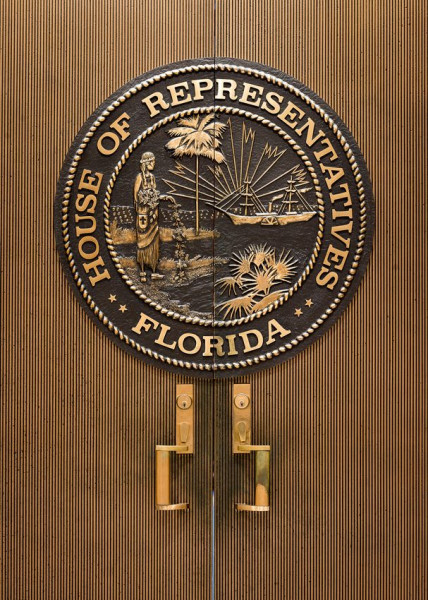
In a significant shift that has captured national attention, the Florida GOP has recently lost its house supermajority in the Florida House of Representatives. This political development has significant implications for the state's legislative agenda and the balance of power between the governor and the legislature. The loss of the supermajority means Republicans can no longer act independently on certain critical decisions, such as overriding a governor's veto or bypassing legislative rules.
What is a House Supermajority and Why Does It Matter?
A house supermajority typically refers to a situation where a political party holds more than the simple majority (usually two-thirds or three-fifths) of the seats in a legislative body. This threshold allows the party to pass legislation without opposition, override vetoes, and make significant changes to the legislative process. In Florida, the Republican supermajority has been a significant factor in shaping state policies, particularly in areas such as education, healthcare, and environmental regulations.
The loss of this supermajority means the GOP can no longer act alone on such decisions, adding complexity to the legislative process. Democrats, who have made significant gains in recent elections, now play a more influential role in the legislative agenda.
Impact on Legislative Agenda and Governor's Power
With the loss of the supermajority, the legislative landscape in Florida is set to change dramatically. Republicans will now need to seek bipartisan support for major decisions, which could lead to more collaborative governance. This shift also empowers the governor, who can now veto bills with greater confidence, knowing that the legislature will struggle to override such vetoes.
The recent changes highlight the growing influence of Democrats in Florida politics. The party has been gaining ground in state elections, reflecting broader demographic and political shifts within the state. These gains have been amplified by strategic campaigning and a focus on key issues that resonate with voters, such as healthcare, education, and environmental protection.
Broad Implications and Future Outlook
As Democrats continue to make inroads, the future of Florida's legislative agenda looks increasingly uncertain. The loss of the supermajority could lead to more balanced policies, but it also introduces the potential for gridlock. Collaborative efforts may be required to pass significant legislation, and the governor's veto power will play a crucial role in shaping state policies.
The Democratic Party has been gaining momentum in recent times, securing a two-thirds supermajority in both chambers of the Delaware General Assembly for the first time. This historic achievement underscores the shifting political dynamics in the state and suggests a broader trend of Democratic gains across the country.
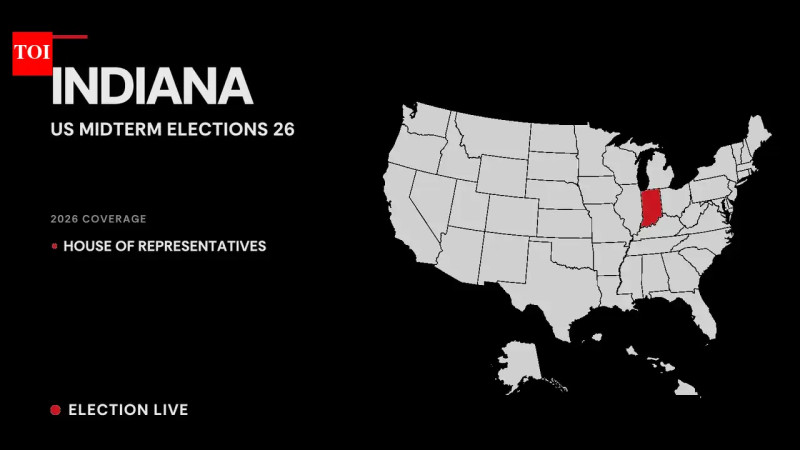
Democrats broke the supermajority in the Indiana House, winning districts they haven't won in decades. This shift marks a significant milestone in the state's political history and reflects broader demographic and political trends.
Ohio Democrats broke the Republican supermajority in the Ohio House, limiting the lawmakers' ability to override vetoes from the incoming Democratic governor. This development underscores the importance of bipartisan collaboration in state governance and highlights the potential for more balanced policies in the future.
More broadly, the loss of the house supermajority in Florida is part of a larger trend of Democratic gains in state legislatures. According to Ballotpedia, 13 state legislative supermajorities are exposed to breaking in the 2026 elections, with Democrats defending five exposed supermajorities and Republicans defending eight. This trend suggests that the political landscape is becoming more competitive and that voters are increasingly demanding balanced governance.
Delaware Democrats are entering the next legislative session with more political power than ever before, securing a two-thirds supermajority in both chambers of the General Assembly for the first time. This historic achievement underscores the shifting political dynamics in the state and suggests a broader trend of Democratic gains across the country.
Democrats have been making significant strides in state elections, reflecting broader demographic and political shifts within the country. These gains have been amplified by strategic campaigning and a focus on key issues that resonate with voters, such as healthcare, education, and environmental protection.
The political dynamics in Florida are rapidly evolving. With the loss of the house supermajority, the state's legislative agenda is poised for significant changes. As Democrats continue to gain influence, the future of Florida politics looks increasingly uncertain, but also potentially more balanced. The next legislative session will be critical, as both parties navigate the new landscape and seek to shape the state's policies.
Next up, the Florida governor's next veto, expected in the coming days, could signal the new era of bipartisanship.
How does this story make you feel?
 Up next · PoliticsLetitia Plummer: New Face of Harris County Politics