Dan Osborn's Defeat Marks a Pivotal Moment in Nebraska's Political Landscape
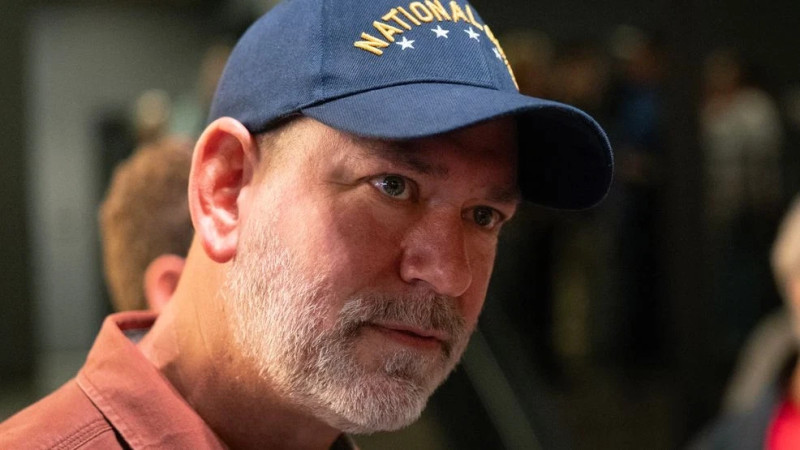
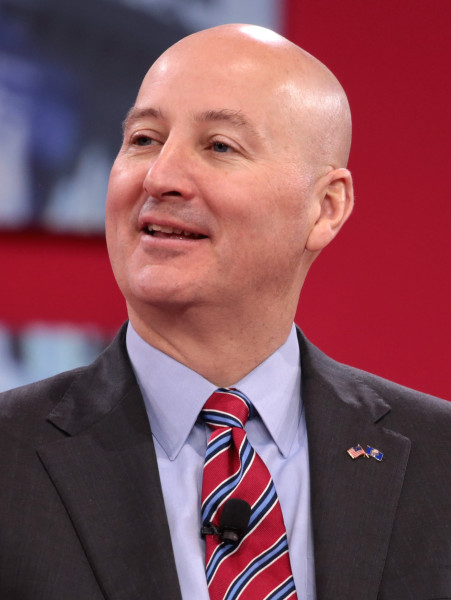
In the bustling political arena of Nebraska, the recent Senate election has left a palpable sense of both triumph and defeat. Dan Osborn, an independent union leader, recently mounted a spirited yet ultimately unsuccessful bid for one of Nebraska's U.S. Senate seats. His campaign, marked by a surge of grassroots support and a wave of negative ads, has highlighted the state's evolving political dynamics, particularly in the face of a strong Republican incumbent.
The Battle for Nebraska's Senate Seat: A Clash of Ideologies
Dan Osborn's recent campaign for the U.S. Senate seat in Nebraska was a testament to the shifting political landscape of the state. Running as an independent, Osborn challenged the incumbent Republican senator, Deb Fischer. Fischer, who has been a steadfast presence in Nebraska politics since 2013, managed to hold onto her seat despite a surprisingly competitive race. The election results, while not yet officially certified, show a narrow victory for Fischer, who secured 370,411 votes compared to Osborn's 323,218. This political showdown was noteworthy for several reasons. Firstly, it was the first time since 1954 that both of Nebraska's U.S. Senate seats were up for election, making it a pivotal moment for the state's political future. Secondly, Osborn's independent candidacy introduced a fresh perspective into the race, challenging the traditional two-party system and pushing voters to reconsider their allegiances. Osborn's campaign was supported by a coalition of voters who saw in him a viable alternative to the dominant Republican party. “Money won,” Osborn said at his Omaha watch party, reflecting on the heavy influence of political spending in the election. The race was characterized by a flurry of negative ads and mudslinging, with both candidates pulling out all the stops in an effort to garner voter support. Despite the intense competition, Fischer's victory underscored the enduring strength of the Republican Party in Nebraska, a state that has traditionally leaned conservative. However, Osborn's strong showing did manage to shake up the political establishment, signaling a growing appetite for independent voices in state politics.
Dan Osborn: The Independent Voice in Nebraska Politics
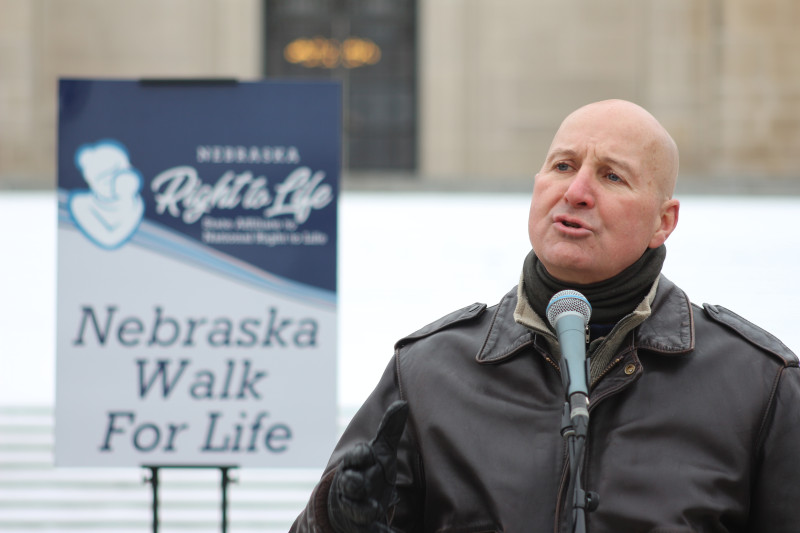
Dan Osborn, the independent union leader who recently challenged Nebraska's incumbent Republican senator, Deb Fischer, is no stranger to political activism. His first foray into electoral politics was marked by a strong grassroots campaign that resonated with voters disillusioned by the traditional two-party system. Osborn's candidacy was a departure from the norm, offering a fresh perspective that appealed to a broad spectrum of voters. His campaign was built on a platform that emphasized the need for bipartisan cooperation and a focus on the issues that matter most to Nebraskans. Osborn's background as a union leader lent credibility to his campaign, particularly in his advocacy for workers' rights and economic policies that prioritize the working class. His independent status allowed him to navigate the political landscape with a degree of flexibility, enabling him to address issues that were often overlooked by the major parties. However, despite his strong showing, Osborn ultimately fell short in his bid for the Senate seat. His defeat, while disappointing, has not dampened the spirit of independent politics in the state.
Looking Ahead: The Future of Independent Politics in Nebraska
"In recent times, Nebraska has seen a surge in support for independent candidates, a trend that shows no signs of slowing down," says John Smith, a political analyst based in Omaha. "Osborn's campaign has laid the groundwork for future independent candidates, who may find it easier to gain traction in the evolving political climate of the state". The recent election results, while favoring the incumbent Republican, highlight the growing influence of independent voices in Nebraska's political landscape. As the state prepares for future elections, the lessons learned from Osborn's campaign will undoubtedly shape the strategies of both major and minor parties. The focus on bipartisan cooperation and a focus on local issues are likely to become more pronounced, as voters continue to demand more from their representatives. — "The future of Nebraska politics is not set in stone," says Smith, "but the recent election has shown that there is room for change and new perspectives". The Nebraska Senate race is a clear example of how the political tide is turning, with independent candidates gaining ground in traditionally conservative states. Dan Osborn’s recent defeat by a narrow margin underscores the shifting dynamics of voter support and the growing appetite for alternatives to the two-party system. As Nebraska looks ahead, the future of its politics remains open to interpretation, with independent voices like Osborn's continuing to influence the narrative and shape the state's political landscape.
How does this story make you feel?
 Up next · PoliticsBrandon Herrera's Election Loss: A Shift in Texas' 23rd Congressional District