Idaho's Proposition 1: A Crucial Battle for Reproductive Rights
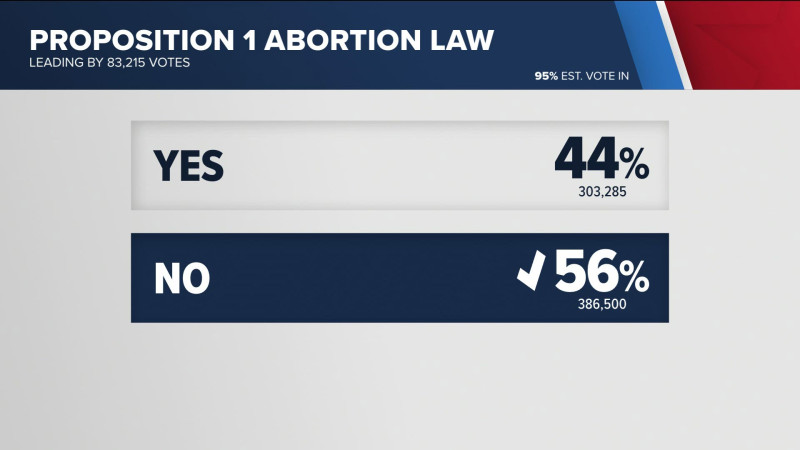
Idaho voters have spoken, and the state’s stance on abortion rights is clearer than ever. Proposition 1, a ballot measure that sought to expand Idaho's abortion rights, has been resoundingly rejected. This outcome has left many activists and voters alike grappling with the implications of a decision that will shape the state’s future. The measure, which aimed to establish a right to abortion up to fetal viability, has failed to garner the necessary support from Idahoans.
The Details of Proposition 1: What Was at Stake?
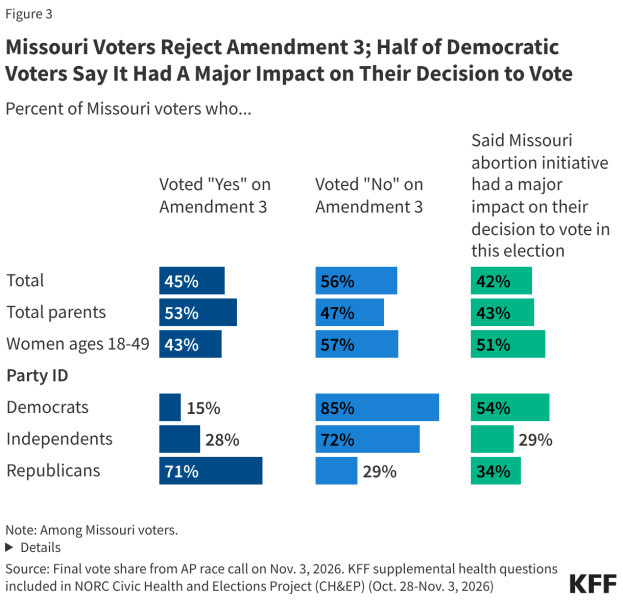
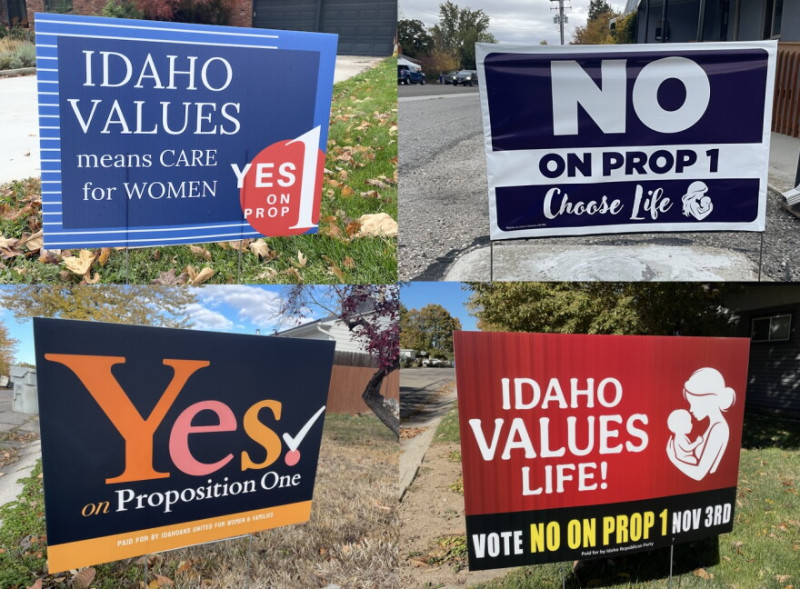
The Proposition 1 ballot initiative in Idaho was a direct challenge to the state’s current abortion laws, which restrict abortion to only a few circumstances. The measure aimed to legalize abortion up to the point of fetal viability, a threshold typically defined as around 24 weeks of pregnancy. This would have allowed for more flexibility and control over reproductive health decisions, aligning closely with the standards set by the federal Supreme Court before the overturning of Roe v. Wade. Additionally, Proposition 1 sought to establish a right to make decisions regarding contraception, fertility treatment, and prenatal and postpartum care. This comprehensive approach was intended to provide a broader framework for reproductive health, ensuring that individuals have more autonomy over their bodies and health choices. Think again. The final vote count, however, tells a different story. Idahoans overwhelmingly voted ‘No’ to Proposition 1, with early results showing a rejection rate of about 56%.
The Fallout: What Happens Next for Idaho?
The defeat of Proposition 1 has sent shockwaves through the state, particularly among those who had hoped for a more lenient approach to abortion laws. The current state laws permit abortions only in cases of rape, incest, or when the life of the pregnant person is at risk. This restrictive framework has been a point of contention for many, who argue that it limits access to necessary healthcare. The rejection of Proposition 1 means that these restrictions will remain in place, potentially impacting the lives of thousands of Idahoans. The failure of Proposition 1 has sparked a renewed debate about the balance between personal freedoms and state regulations. Critics of the current laws argue that they are overly restrictive and fail to account for the complexities of individual circumstances. Proponents, on the other hand, maintain that these laws protect the sanctity of life and uphold moral standards. The vote on Proposition 1 has brought these debates to the forefront, with both sides amplifying their arguments in the aftermath of the election. With the recent defeat of Proposition 1, the future of reproductive rights in Idaho hangs in the balance. Gone. Supporters of the measure have vowed to continue fighting for broader access to abortion, while opponents are likely to tighten their grip on the existing regulations.
One thing is clear: the battle for reproductive rights in Idaho is far from over. As the state moves forward, the repercussions of this decision will continue to shape the lives of its residents. The debate surrounding Proposition 1 has highlighted the deep divisions within Idaho society, underscoring the importance of continued dialogue and advocacy for both sides of the issue. The outcome of this election serves as a reminder that the fight for reproductive rights is ongoing and that every vote counts. What happens next remains to be seen, but one thing is certain: the conversation about abortion rights in Idaho is far from over. This is a tremendous defeat for those who advocated for expanded access to reproductive healthcare.
Looking Ahead: The Future of Reproductive Rights in Idaho
As Idaho grapples with the implications of Proposition 1’s defeat, the focus now shifts to the future of reproductive rights in the state. The failure of the ballot initiative does not necessarily signal the end of the fight for reproductive freedom. Activists and advocates are already planning their next steps, determined to bring about change through various means. "Idaho's current abortion laws are dangerous and that a vote for this measure allows people to make their own reproductive health care decisions," said supporters of Prop 1. This sentiment underscores the urgency of the issue, as Idahoans continue to advocate for more lenient regulations that respect individual autonomy and access to necessary healthcare. In this ever-evolving landscape, the future of reproductive rights in Idaho remains uncertain, but one thing is for sure: the fight is far from over.
What’s Next for Idaho?
As the dust settles on the recent election, Idaho finds itself at a critical juncture. The rejection of Proposition 1 has left many wondering what the future holds for reproductive rights in the state. With current laws remaining unchanged, the focus now shifts to grassroots efforts and potential legislative action. Activists are already mobilizing, determined to continue the fight for broader access to abortion and reproductive healthcare. Think again. The future of reproductive rights in Idaho is uncertain, but one thing is clear: the battle is far from over. The recent defeat of Proposition 1 has sparked a renewed sense of urgency among activists and advocates, who are now more committed than ever to bringing about change. What will this change look like? Only time will tell. But as Idahoans prepare to move forward, the fight for reproductive freedom continues to be a significant part of the state’s ongoing narrative. The future of reproductive rights in Idaho remains uncertain, but one thing is clear: the battle is far from over. The recent defeat of Proposition 1 has sparked a renewed sense of urgency among activists and advocates, who are now more committed than ever to bringing about change.
How does this story make you feel?
 Up next · PoliticsXavier Becerra Swings to Victory in California's Pivotal Governor Race