Wisconsin State Election Results: A Blue Wave Reshapes Wisconsin's Political Landscape
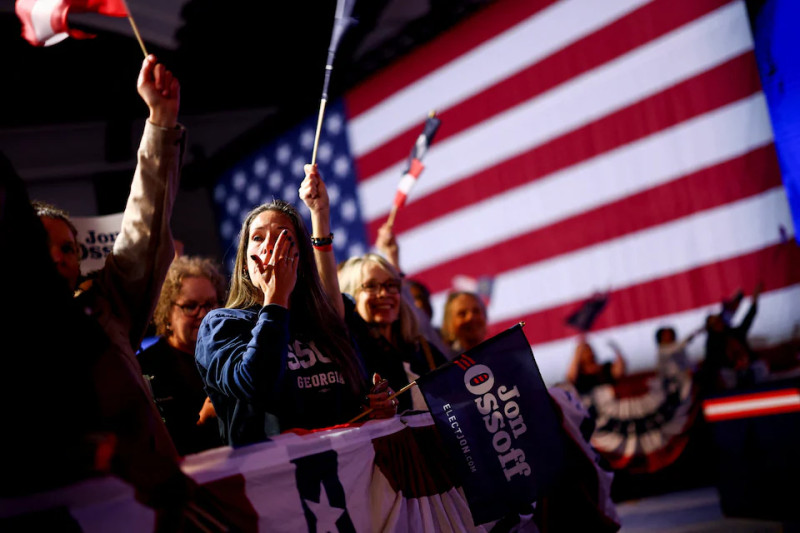
As the November 2026 midterm season closes, the state of Wisconsin has emerged from its political slumber, witnessing a significant shakeup in its legislative and gubernatorial landscape. The recent election results, where Democrats have secured a landslide victory, have sent shockwaves through the political spectrum of Wisconsin.
Gubernatorial Race: David Crowley's Triumph
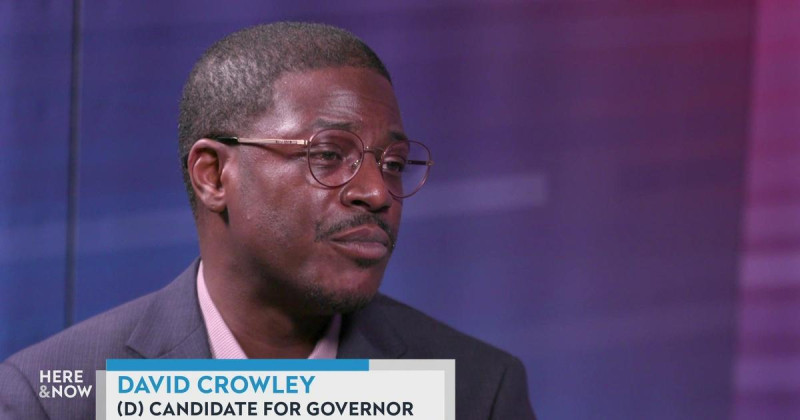
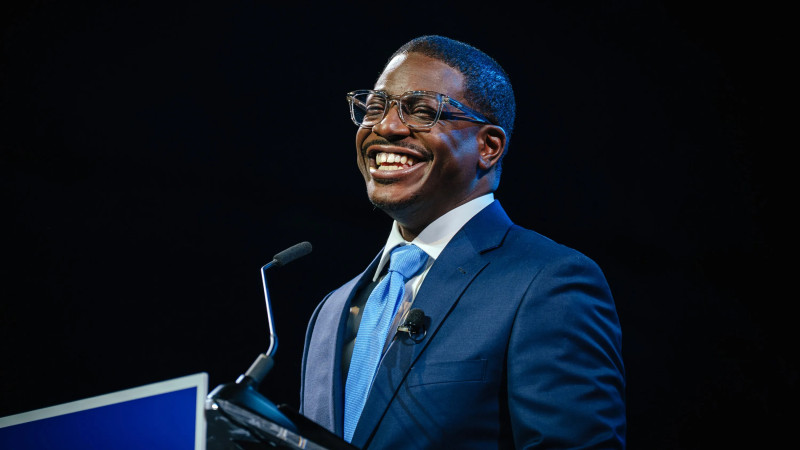
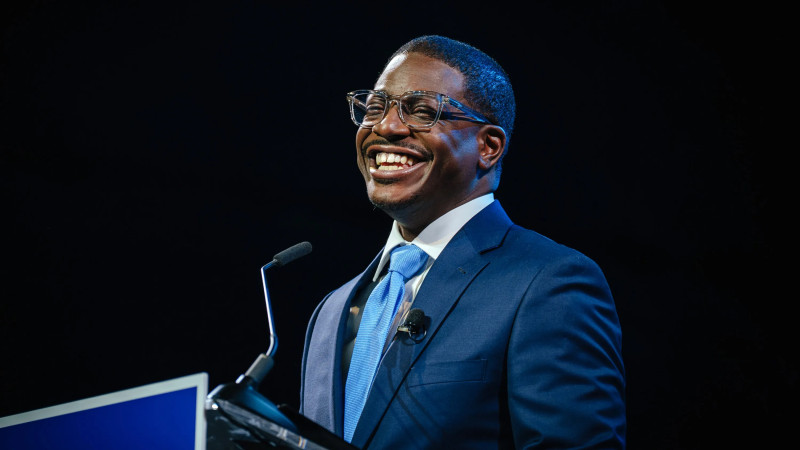
One of the most notable outcomes of the recent Wisconsin elections is the victory of David Crowley in the gubernatorial race. Crowley, a member of the Democratic Party, secured a decisive win, a victory headlined as a 'big night for Democrats' across the state. Crowley's win reflects a significant shift in the state’s political dynamics, which have historically leaned towards the Republication party. This victory has profound implications for the state's future, particularly for policies related to education, healthcare, and infrastructure.
Legislative Victory: Democrats Flip the Legislature
The 2026 midterm elections have also altered the balance of power in the Wisconsin State Legislature. Democrats have flipped both the State Senate and State Assembly, setting up a single-party control of state government for the first time in 18 years. In the Senate, Democrats gained three more seats, resulting in an 18-15 majority, while in the Assembly, they flipped eight seats, giving them control of the lower house. This unprecedented shift underscores the Democrats' growing influence in Wisconsin, reshaping the political landscape.
“This is a monumental victory for the people of Wisconsin,” stated a prominent political analyst. “The Democrats' control of the state government will likely lead to sweeping policy changes, particularly in areas where the two parties have historically clashed. The new administration and legislature will have to navigate the complexities of governance, especially with the state's diverse interests and public expectations.”
“Democrats have not only flipped the legislature but also showed that when people vote, they matter. This will reshape Wisconsin's political priorities and policies in ways that were previously unimaginable.”
Referendums: Redefining the Governor's Power
In addition to gubernatorial and legislative races, Wisconsin voters weighed in on three referendums. These referendums, advanced by Republican state lawmakers, could have far-reaching effects on the governor's partial veto power and other significant issues. The measures, which included proposals to tighten controls on the governor's veto authority, were put to a popular vote in an effort to reshape the balance of power in the state government.
Although the specifics of the referendums have not yet been fully detailed, their impact on state governance could be substantial. The outcome of these votes will determine how future governors can wield their executive powers, potentially leading to a more balanced approach to legislation and policy implementation. These referendums reflect the ongoing debate over the separation of powers in Wisconsin, a debate that will likely continue to evolve in the coming years.
In a twist of irony, the referendums, initially seen as a power grab by Republicans, could end up empowering the new Democratic administration. The balance of power in Wisconsin has shifted so dramatically that the new governor and the legislature will have significant leeway to implement their agenda. The future of Wisconsin's governance hinges on how these new powers are exercised and the broader implications for the state's political and economic landscape.
Wisconsin's evolving political culture
The recent election results are a testament to the evolving political culture of Wisconsin, a state that has historically been dominated by Republicans. The shift towards Democratic control reflects a broader national trend, where voters increasingly demand progressive policies and a more inclusive governance. The results of recent elections underscore the importance of understanding Wisconsin's political dynamics and the factors that drive voter behavior. The outcome of the 2026 midterm elections highlights the significance of voter turnout, issue awareness, and the growing influence of diverse communities in shaping the state's political future.
As Wisconsin prepares for a new era of governance, the state's political landscape stands on the brink of transformation. The victory of David Crowley and the flip of the legislature by Democrats signal a shift in power and policy direction. Yet, the question remains: how will this new political landscape unfold, and what challenges and opportunities will it present for the people of Wisconsin?
How does this story make you feel?
 Up next · PoliticsOhio Midterm Election 2026: New Governor Elect Takes the Helm