What Happens When a President Faces Impeachment?
The process of impeaching the President of the United States is once again a hot topic, as the country grapples with the potential for a second impeachment trial for former President Donald Trump. Now, as the nation watches, it’s crucial to understand what impeachment entails, what happens when a president faces impeachment, and what the consequences might be.
Understanding the Impeachment Process
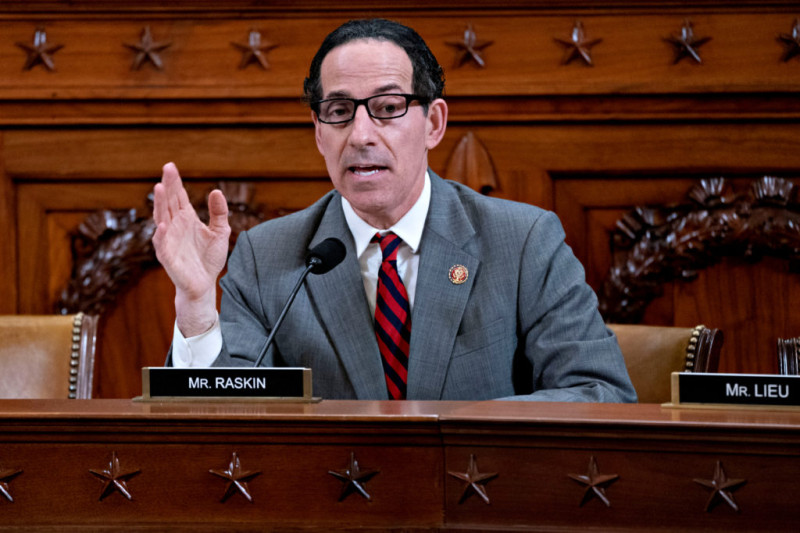
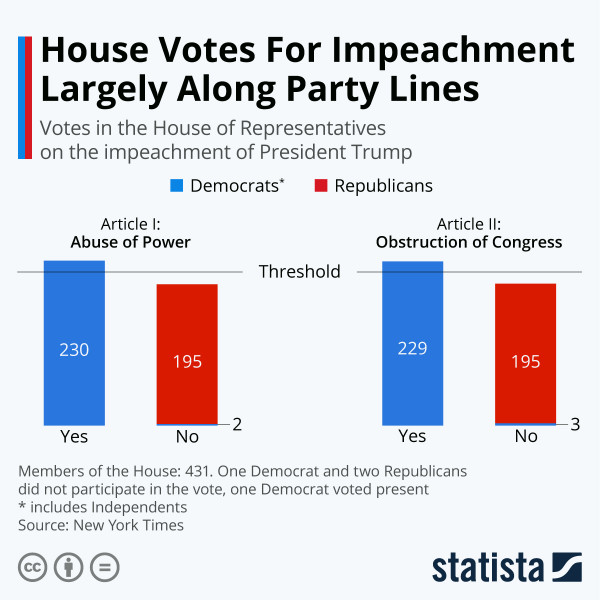
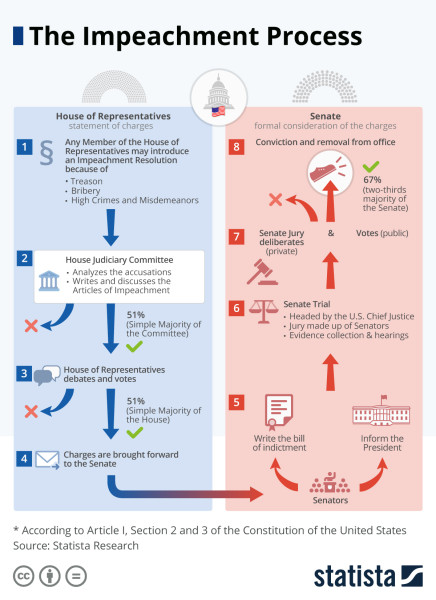
Impeachment in the United States is a formal process initiated by the House of Representatives, where members bring charges against a federal official for alleged misconduct. If the House adopts the articles of impeachment by a simple majority vote, the official is considered impeached. This sets the stage for a trial in the Senate, where the Chief Justice of the Supreme Court presides over the proceedings if the impeached official is the president.
The impeachment process begins with an impeachment resolution introduced in the House of Representatives. If the House Judiciary Committee approves the resolution, it moves to a full House vote to be adopted. The Senate then holds a trial during which senators act as jurors, and the Chief Justice presides in the case of a presidential impeachment. The Senate must achieve a two-thirds majority to convict and remove the official from office. If the impeachment involves the president, the Chief Justice of the U.S. Supreme Court presides.
Recent Developments in Trump's Impeachment Efforts
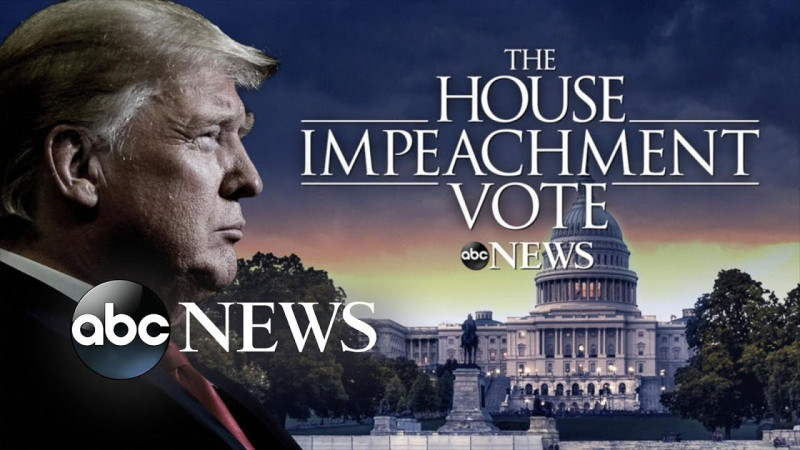
Donald Trump stands out as the only president in U.S. history to have been impeached twice, with the first impeachment occurring in late 2019 and the second in early 2021. These unprecedented events have sparked renewed interest in the impeachment process and its implications. Donald Trump impeachment trial proceedings have kept the nation on edge, with the House of Representatives initiating the process and the Senate weighing the evidence presented during the trial.
In recent times, the focus remains on what happens next for Trump. Donald Trump impeachment trial was a complex process involving the House of Representatives and the Senate, where the articles of impeachment were introduced and voted on. The trial involved intricate legal arguments and political maneuvering, with the outcome potentially leading to the removal of the president from office.
The Consequences of Impeachment for the President
The consequences of impeachment for a president are profound. If convicted by the Senate, the president is removed from office and may also be barred from holding future public office. This process is outlined in the U.S. Constitution, which provides the framework for impeachment and removal.
According to available reports, the impeachment process is designed to hold federal officials accountable for severe misconduct, including bribery, treason, and other high crimes and misdemeanors. If the Senate votes to convict, the president is removed from office, and the vice president takes over.
The impeachment process is a critical check on executive power, ensuring that no one person, including the president, is above the law. The House of Representatives and the Senate play vital roles in this process, with the House bringing the charges and the Senate conducting the trial.
“Impeachment does not refer to the removal of an elected official from office, but rather it represents the first of a two-step process in potentially removing that official,” explained one legal expert.
Gone. This is a dramatic moment in American history, one that underscores the gravity of the impeachment process and its potential to shape the future of the presidency. As the nation watches, the implications of impeachment for the executive branch and the broader political landscape remain unclear.
“In the United States, impeachment is the process by which a legislature may bring charges against an elected member of the executive branch or an appointed official for severe alleged misconduct and may result in removal of the guilty from their position after the consequential trial,”.
How does this story make you feel?
 Up next · PoliticsMontana House Race: A Tight Contest with National Implications