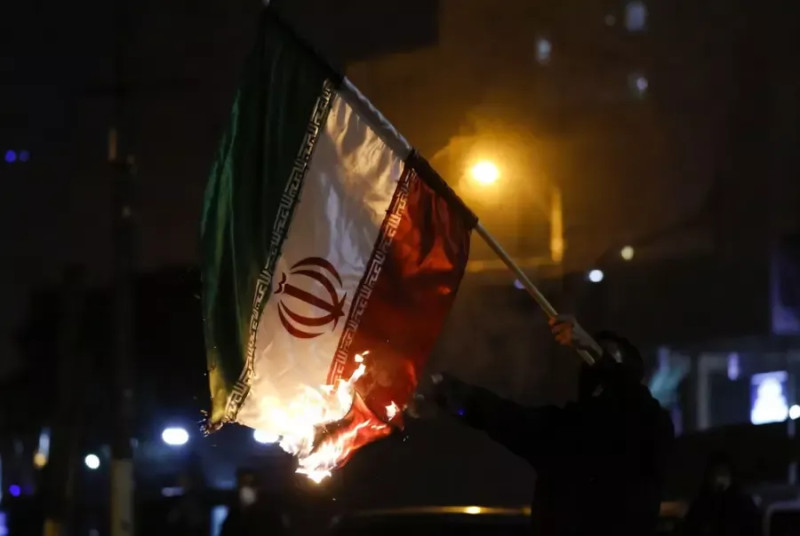
Donald Trump’s Post-Midterm Reckoning on Iran War
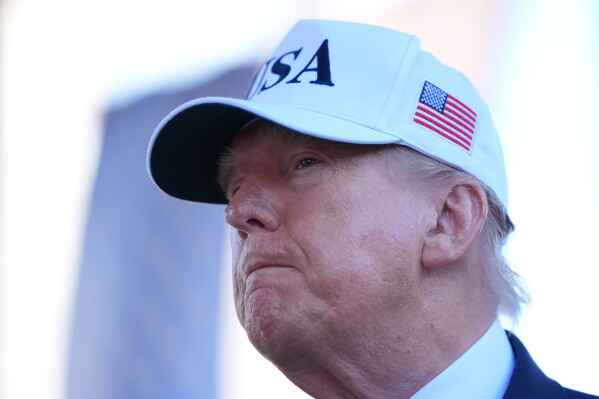
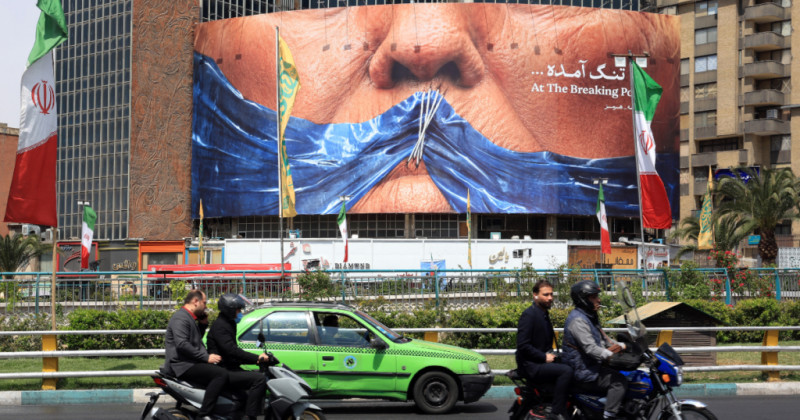
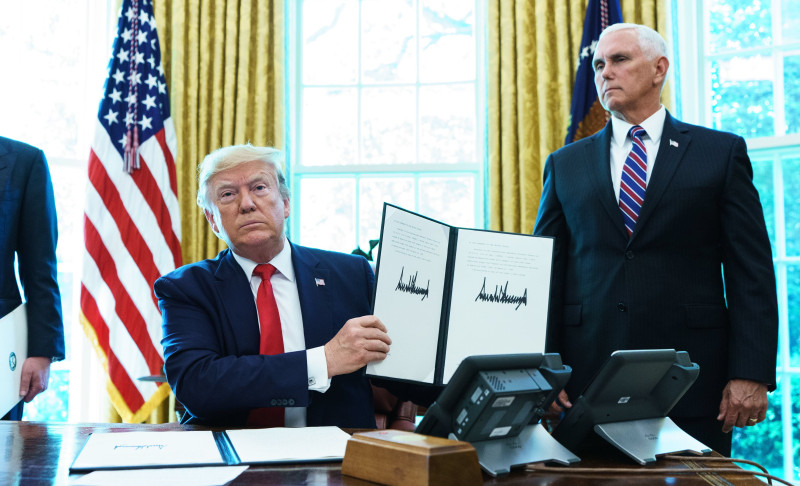
President Donald Trump has publicly acknowledged that the ongoing Iran war played a significant role in his party's dramatic defeat in the recent midterm elections, a stark admission that underscores the political fallout of the conflict. This revelation comes as the U.S. faces critical decisions about its military engagement in the region, with the potential for further escalation or a push towards peace talks.
The Election Fallout: Trump's Midterm Defeat
In the aftermath of the midterm elections, Trump has been grappling with the political repercussions of the Iran war. The conflict has not only strained diplomatic relations but has also weighed heavily on public opinion, contributing to a wave of Democratic victories. Trump’s acknowledgment of the war's impact on the election results indicates a growing recognition within his administration of the need for a strategic pivot. However, the specifics of Trump’s next moves remain uncertain as he balances domestic political pressures with international military strategies.
Trump’s mixed messages on the Iran war have added to the uncertainty. Earlier statements suggested that the conflict would be resolved “soon,” but details on how this would be achieved remain scarce. The administration has been tight-lipped about potential military actions, leaving analysts and the public to speculate about the future of U.S. involvement in the region. Trump’s comments to the Financial Times, where he asserted that there are no immediate plans for a strike on Iran, further complicate the narrative. This mixed messaging has left allies and adversaries alike unsure of the U.S.'s true intentions.
The Political and Military Dynamics
As the Iran war enters a new phase, the political landscape in the U.S. is shifting. Trump's acknowledgment of the war's role in the midterm losses has been met with both criticism and support. Some argue that the admission is a sign of transparency, while others view it as a strategic move to deflect blame from other internal issues. The Iran war has become a focal point in the Republican Party’s internal debates, with factions advocating for different approaches. This internal strife could influence future policy decisions and the party’s stance on foreign policy in the coming years. The Iran war has already influenced Trump’s domestic agenda, with significant layoffs and tariffs implemented amidst the conflict. The question remains whether the administration will pivot towards a more diplomatic approach or continue with a hardline military strategy.
Trump’s recent comments on the Iran war have also sparked discussions about the potential for a negotiated peace. Talks in New York, the first since June, have been seen as a potential step towards a peace deal. However, Trump’s rejection of Iran’s latest peace deal has complicated these efforts. The administration's stance remains firm, with Qatari mediators attempting to push for a deal as tensions escalate. The Iran war has become a litmus test for Trump’s leadership, with both domestic and international observers closely monitoring his next moves. As the conflict enters a critical phase, the U.S. faces a delicate balancing act between military intervention and diplomatic negotiation.
Looking Ahead: The Future of U.S. Policy in Iran
The upcoming weeks will be pivotal for the Iran war and Trump’s presidency. With the midterm elections behind him, Trump must navigate a complex political and military landscape. The administration’s next steps, whether they involve increased military engagement or a push for peace talks, will have far-reaching implications. The Iran war has already reshaped the political discourse in the U.S., and its future trajectory will significantly impact both domestic and international policy. The Iran war is not just a military conflict; it is a political battleground that will define Trump’s legacy and the future of U.S. foreign policy.
In a statement to Reuters, political analyst Dasha Burns commented, “The Iran war has become a defining issue for Trump’s presidency. His acknowledgment of its role in the midterm losses is a significant moment that could signal a shift in strategy. However, the path forward is fraught with challenges, both domestically and internationally. Only time will tell how Trump navigates this complex landscape.”
As the Iran war continues, the parallels with historical conflicts are stark. The Iran war reminds us of the profound impact of foreign policy on domestic politics, much like the Vietnam War, which similarly divided the nation and shaped political discourse for decades. The Iran war is more than just a military engagement; it is a test of leadership and policy that will echo through the annals of history.
How does this story make you feel?
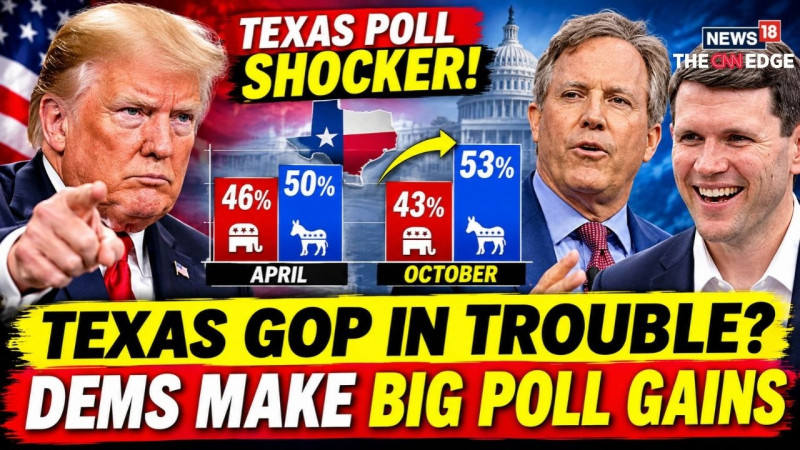 Up next · PoliticsTexas shifts to blue in 2026 midterm