Wisconsin Trooper's ICE Custody Release Sparks Controversy
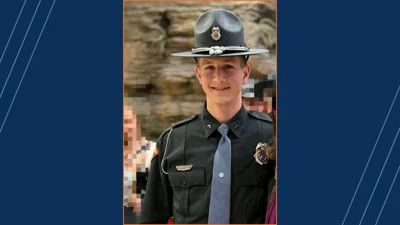
In a shocking turn of events, a Wisconsin state trooper, Carel Aaron Van Der Merwe, has been released after being detained by Immigration and Customs Enforcement (ICE). The case highlights the complexities of immigration laws and the impact on those serving in law enforcement. Van Der Merwe, a 21-year-old who immigrated to the U.S. from South Africa, had been facing deportation.
Controversial Detention and ReleaseVan Der Merwe, a Wisconsin State Patrol trooper, was detained by ICE on a recent Thursday, just as he was preparing to board a domestic flight. The move, which ICE described as a "targeted enforcement operation," stunned many in the law enforcement community. The trooper, who had served for nearly a year, was detained due to his pending asylum claim. Van Der Merwe's lawyer, Christopher & De León, emphasized that Van Der Merwe had a work permit and a pending asylum application, raising questions about the rationale behind his detention.
ICE's decision to detain Van Der Merwe was met with immediate backlash. The trooper, who had lived in the United States since he was 14, had been waiting for seven years for his asylum case to be resolved. His detention was seen as a harsh blow to his life and career, especially given his contributions to the community and his commitment to law enforcement. The situation was further complicated by the fact that Van Der Merwe had legally immigrated to the U.S. and had a clean record, making his detention seem all the more perplexing to some.
Van Der Merwe's attorney clarified that while he was released from ICE custody the following day, his release was conditional. Van Der Merwe was released under supervision, which means he will have to adhere to certain conditions set by ICE. This conditional release, while a relief, still leaves Van Der Merwe in a state of limbo, with his asylum status pending. The trooper's family and supporters hope that this latest development will bring the long-awaited resolution to his case sooner rather than later.
Public and Legal ReactionsThe public and legal communities have been divided over the handling of Van Der Merwe’s case. Critics argue that the detention of a state trooper, who has been a model citizen and a public servant, sets a troubling precedent. Supporters of stricter immigration policies, however, maintain that the law should be applied uniformly, regardless of an individual's status in the community. Here's the thing, though: the situation raises fundamental questions about the balance between enforcing immigration laws and protecting those who have integrated into society and contributed positively. What does it mean to be a model citizen? And how does our justice system navigate the gray areas of immigration law?
Van Der Merwe’s case is just one in a long line of similar incidents that have sparked national debates about immigration and law enforcement. More broadly, it underscores the need for a more compassionate and nuanced approach to immigration policies. Look, how can we ensure that individuals like Van Der Merwe, who have built lives and careers in the U.S., are treated fairly and with dignity? The case serves as a poignant reminder of the human cost of immigration policies and the urgent need for reform.
ICE's spokesperson recently confirmed that Van Der Merwe's release was part of ongoing scrutiny and enforcement actions. But the question remains: how can we reconcile the need for border security with the need for compassion and fairness in our immigration system? One might wonder if it's time to re-evaluate our priorities. After all, isn't the ultimate goal of any immigration policy to ensure that individuals have a fair and just process, regardless of their immigration status? Sound familiar? This is a question that will likely continue to haunt policymakers and the public alike as we grapple with the complexities of immigration in the United States.
The Legal and Ethical ImplicationsVan Der Merwe's case has drawn significant attention to the legal and ethical implications of immigration enforcement. Van Der Merwe’s detention highlights the often-overlooked fact that many immigrants, even those who have legally entered the country, can face deportation due to bureaucratic hurdles and the complexities of the asylum process. Here's the thing: it’s a stark reminder that even those who serve and protect can find themselves at the mercy of a system that often seems indifferent to their contributions.
There's even a broader issue at play here. The detention of a law enforcement officer who has been serving the public raises significant ethical questions. If a state trooper, who has been a model citizen and a public servant, can be detained, what does this say about the fairness and transparency of our immigration policies? It's a question that has been raised time and time again, and it's one that demands a thoughtful and nuanced response.
As we reflect on Van Der Merwe's case, it's worth considering the parallels with historical events where individuals have been unjustly detained or targeted. Consider the internment of Japanese Americans during World War II, for example. It was a dark chapter in American history, driven by fear and prejudice. While the circumstances are different, the underlying issues of fairness, justice, and the treatment of individuals who have integrated into society remain relevant. Van Der Merwe's case reminds us that we must remain vigilant in ensuring that our immigration policies are fair, just, and compassionate. After all, isn't that what defines a truly great nation? Wouldn't it be a shame if, in our quest for border security, we lose sight of the very values that make us who we are?
How does this story make you feel?
 Up next · PoliticsTense Standoff in Sayed Mohassib’s Arrest for Katie Suarez’s Murder