Philadelphia's Kristallnacht Protests: A Modern Echo of Historic Anti-Semitism
In recent times, the echoes of one of history's darkest hours resonated in the streets of Philadelphia. A Kristallnacht-themed boycott of Jewish-owned businesses sparked both outrage and a powerful counter-reaction, all on the eve of the anniversary of the infamous 1938 pogrom. Thousands gathered to defend their community and the values they hold dear, igniting a controversy that has shocked the nation.
Modern Echoes of a Historic Tragedy
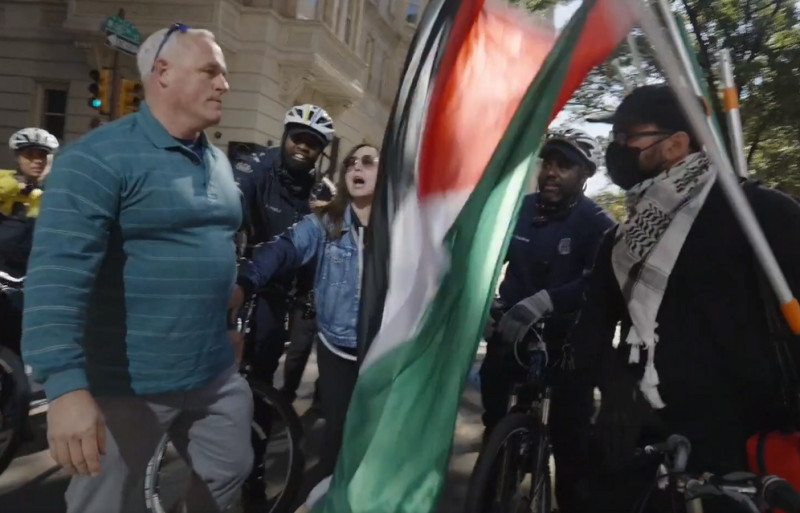
In Philadelphia, a boycott of Jewish-owned restaurants called for by pro-Palestinian activists has been met with widespread condemnation. The boycott, which took place on the eve of the anniversary of Kristallnacht, a night in 1938 when Nazis attacked Jewish businesses and homes, has drawn parallels to the historic atrocity. The protest, organized by Philly Bike On Your Left, aimed to target six Jewish-owned businesses, citing their alleged ties to Israel.
However, the organizers' claims of coincidence in timing the protest to coincide with the anniversary of Kristallnacht have been met with skepticism. Pennsylvania Governor Josh Shapiro condemned the protest as antisemitic, highlighting the sensitivity and importance of the Kristallnacht anniversary.
Governor Josh Shapiro has condemned the boycott, calling it antisemitic and a reminder of the violence and destruction of the year 1938 pogrom. Shapiro's statement underscores the gravity of the situation and the need for vigilance against antisemitism.
A City United: Counterprotesters Rise to the Challenge
In response to the boycott, counterprotesters flooded the streets of Philadelphia. The counterprotesters, waving Israeli flags and holding signs condemning antisemitism, vastly outnumbered the pro-Palestinian protesters. The powerful display of unity and solidarity has been hailed as a testament to the city's resilience and commitment to standing against hate.
The counterprotesters' overwhelming presence has been celebrated as a victory against antisemitic sentiment. The massive turnout has been praised as a sign of hope and a reminder of the city's commitment to fighting hate.
The sheer scale of the counterprotest has overshadowed the original boycott, turning it into a powerful statement of unity and resistance.
The Significance of Kristallnacht
The significance of Kristallnacht cannot be overstated. The night of violence and destruction in 1938 marked a turning point in the persecution of European Jews, a prelude to the horrors of the Holocaust. The name Kristallnacht, or 'Night of Broken Glass,' comes from the shards of broken glass that littered the streets after the pogrom.
The Kristallnacht-themed boycott in Philadelphia has raised questions about the appropriateness of using such a historic and painful event for political purposes. The boycott has been criticized for trivializing the suffering of Jews during the Holocaust and for using the memory of the victims as a tool for political gain.
“It’s a powerful reminder of how fragile our society is, and how quickly things can escalate.” said Dr. Rachel Cohen, a historian specializing in Jewish history. “We must remain vigilant against all forms of hatred and intolerance.”
Across the city, residents and visitors alike have expressed their shock and dismay at the events. The counterprotest has been seen as a beacon of hope amidst the darkness, a testament to the power of unity and resistance. The city's response has been hailed as a triumph of unity and resilience, a stark contrast to the division and hate displayed by the pro-Palestinian protesters.
In recent times, the echoes of one of history's darkest hours resonated in the streets of Philadelphia. A Kristallnacht-themed boycott of Jewish-owned businesses sparked both outrage and a powerful counter-reaction, all on the eve of the anniversary of the infamous 1938 pogrom.
How does this story make you feel?
 Up next · PoliticsTrump Defends Stance in Contentious 60 Minutes Interview Following Midterm Defeats