SpaceX eyes legacy carrier to challenge AT&T, T‑Mobile, Verizon
SpaceX, led by Elon Musk, has signaled a potential acquisition of a legacy wireless carrier, prompting stock drops for AT&T, T‑Mobile and Verizon and raising concerns about market disruption.
Key points
- SpaceX may acquire a legacy carrier, a move that could alter the U.S. wireless landscape.
- AT&T, T‑Mobile and Verizon rejected Musk’s offers to buy network capacity.
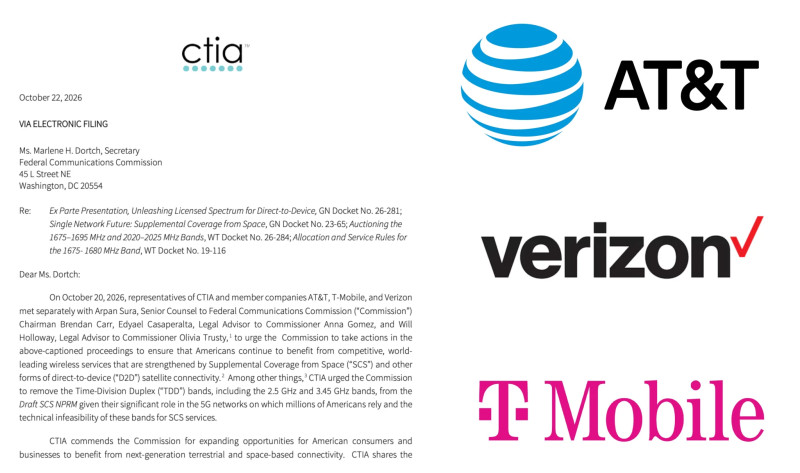
- The carriers have warned the FCC about the implications of a possible 80,000‑site acquisition.
- SpaceX plans to launch next‑gen Starlink Mobile satellites in 2027.
- Industry analysts view the move as a significant competitive threat to the three major carriers.
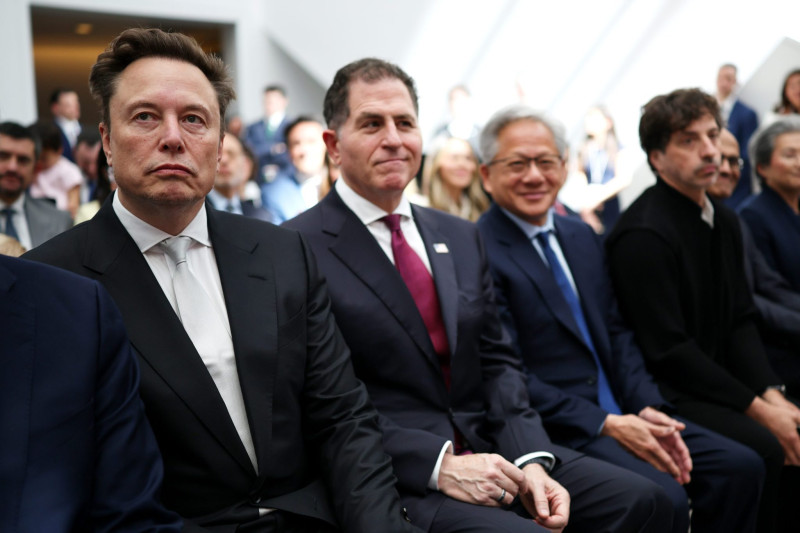
In the sprawling office buildings of downtown Dallas, the air is thick with tension. The bustling corridors of AT&T’s headquarters echo with a new kind of energy. Employees whisper about the seismic shift that could reshape the wireless landscape as SpaceX, the aerospace company founded by Elon Musk, eyes a major entry into the telecommunications sector. Musk has hinted at acquiring a legacy wireless carrier, a move that has sent shockwaves through the industry. The speculation began after Musk’s comments at the Baron Investment Conference, where he indicated that SpaceX could use its spectrum far more efficiently than existing carriers, potentially disrupting the market. The statement quickly translated into a significant drop in the stock prices of AT&T, T-Mobile, and Verizon, as investors braced for the potential impact of SpaceX’s ambitious plans.
SpaceX's Bold Move: Acquiring a Legacy Carrier
Elon Musk’s suggestion that SpaceX could acquire a legacy wireless carrier has thrust the telecommunications industry into a state of flux. The idea positions SpaceX’s satellite business, Starlink, to challenge legacy wireless giants across the US. Musk has also approached AT&T, T-Mobile, and Verizon about buying capacity on their networks, but all three have rejected his overtures, potentially complicating his plans to disrupt the US wireless market. Despite the rejections, Musk’s interest in acquiring a telecommunications company remains strong, as he looks to bring the first major new competitive threat in years to a business dominated by three companies.
The Impact on AT&T, T-Mobile, and Verizon
The potential acquisition by SpaceX has not only rattled the shares of the major telecommunications companies but also posed significant strategic challenges. AT&T, T-Mobile, and Verizon have responded by warning the FCC about the potential consequences of SpaceX's plans. The FCC has been asked to consider the implications of SpaceX’s proposed acquisition of 80,000 cell sites, illustrating the far-reaching effects of Musk’s ambitions. AT&T and T-Mobile have also hinted at the possibility of cutting Boost Mobile's network access if SpaceX acquires it, which would further complicate Musk's plans to enter the US wireless market.
“It’s a game-changer,” says industry analyst Jane Thompson, who has been closely monitoring the developments. “SpaceX has the technology and the ambition to fundamentally alter the telecommunications landscape. The legacy carriers will need to adapt quickly or risk being left behind.”
The Future of Wireless Competition
The telecom industry is in a state of anticipation as SpaceX prepares to launch its next-gen Starlink Mobile satellites in 2027. Gwynn Shotwell, President of SpaceX, has emphasized the company’s commitment to improving service capacity and challenging the dominance of AT&T, Verizon, and T-Mobile. The competition is set to intensify as SpaceX looks to leverage its satellite and small-cell wireless coverage across the US, positioning itself as a formidable contender in the wireless market.
“This is just the beginning,” says an industry insider. “SpaceX’s entry into the telecommunications sector will force the legacy carriers to innovate and improve their services. It’s a win for the consumers who will benefit from increased competition and better service options.”
As the sun sets over the bustling cityscape, the office lights at AT&T remain on, a symbol of the long nights ahead as the company prepares for the challenges and opportunities that lie ahead. The wireless industry is on the brink of a major transformation, and the stakes have never been higher. With SpaceX’s ambitious plans, the future of telecommunications is poised for a dramatic shift, a shift that will be watched closely by millions of consumers and industry experts alike.
SpaceX's bold move into telecommunications has set the stage for a new era of competition, with the legacy carriers forced to adapt to the rapidly changing landscape. Elon Musk SpaceX telecom acquisition is poised to bring significant innovations and challenges to the industry, a development that will undoubtedly shape the future of wireless communication.
Your questions, answered
What is SpaceX planning to do in telecommunications?
SpaceX is considering acquiring a legacy wireless carrier to enter the U.S. telecom market and launch next‑gen Starlink Mobile satellites.
How have AT&T, T‑Mobile and Verizon responded?
They rejected Musk’s offers to buy network capacity and have warned the FCC about the potential impact of a SpaceX acquisition.
How does this story make you feel?
Topics
 Up next · TechGTA 6 pre‑load starts Nov. 10 as online mode hints surface