Consumer Price Inflation: The New Economic Pulse
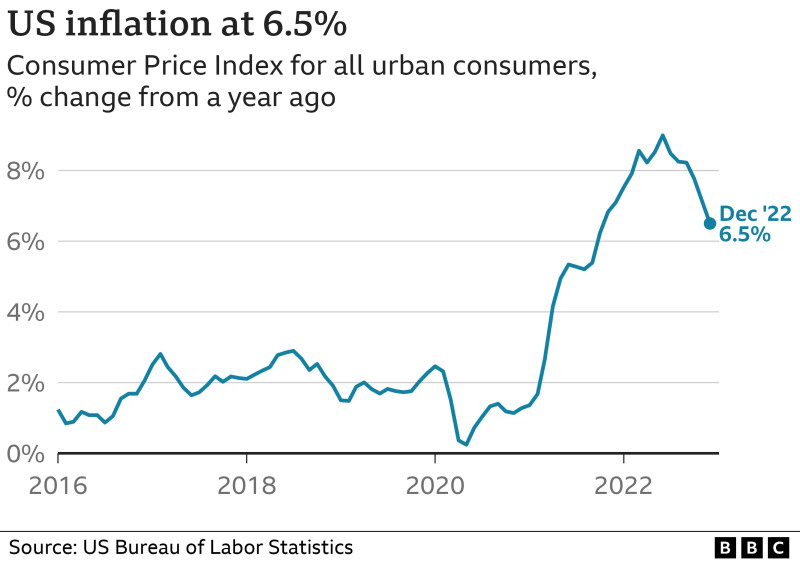
Imagine inflation as a relentless tide, ebbing and flowing through the economy, shaping the cost of daily life. Recently, the waters have been particularly choppy, with the latest CPI inflation data revealing a complex and evolving landscape. This report delves into the latest figures, their implications, and the broader economic narrative unfolding in real-time.
What is the Latest CPI Inflation Data?
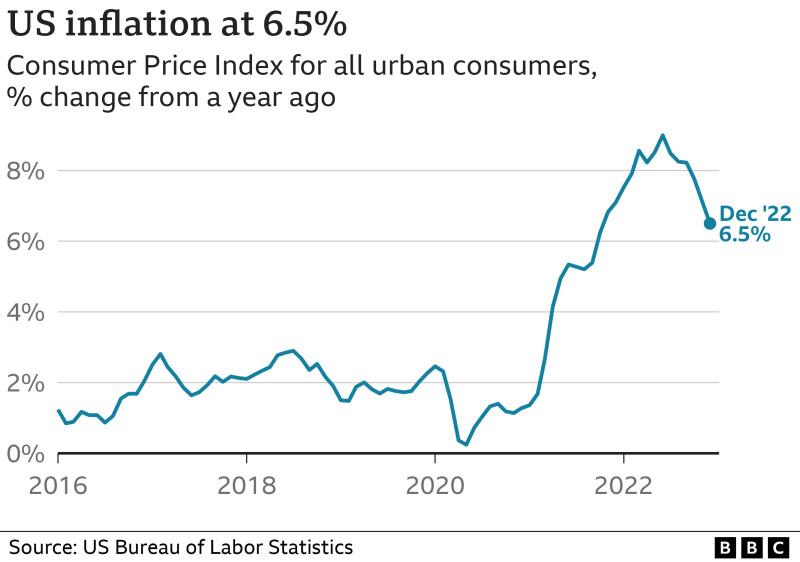
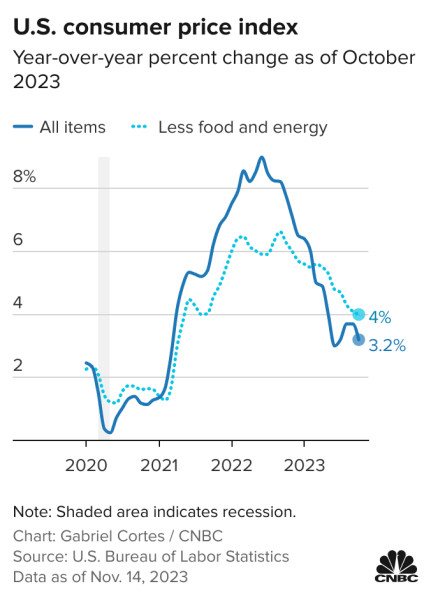
The latest CPI report indicates that the Consumer Price Index for All Urban Consumers (CPI-U) has increased by 0.4% on a seasonally adjusted basis in the most recent period. This surge follows a 0.6% rise in the preceding month. The index for shelter, a critical component, rose by 0.3%, contributing significantly to the overall increase in prices. This data underscores the persistent inflationary pressures affecting key sectors, notably housing, which accounts for a substantial portion of the rise in consumer prices.
Core Inflation: The Underlying Trends
When examining core inflation, which excludes volatile food and energy prices, the picture becomes even more nuanced. The core CPI for all items less food and energy increased by 0.3% on a seasonally adjusted basis, highlighting the enduring inflationary pressures in the economy. Medical care also saw a notable rise, increasing by 0.3% on a seasonally adjusted basis, indicating that healthcare costs are a significant driver of inflation. These figures are crucial for policymakers as they gauge the underlying trends in inflation, which are less influenced by short-term fluctuations in commodity prices.
The Impact on Markets and Monetary Policy
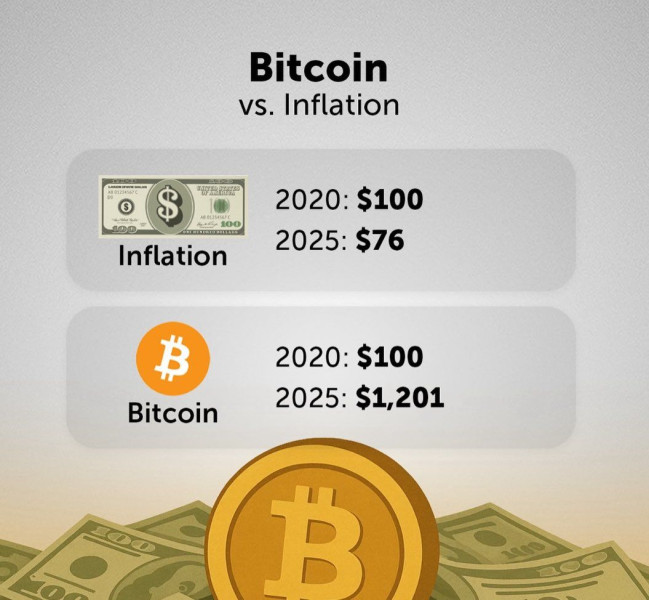
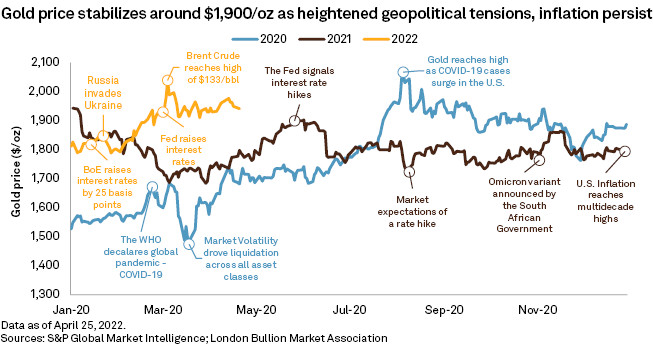
The latest CPI report holds significant implications for financial markets and monetary policy. Central banks closely monitor inflation data to make informed decisions on interest rates. Rising prices can lead to higher interest rates, which in turn affect currency valuation and market dynamics. Investors and analysts scrutinize these reports to anticipate potential shifts in the economic landscape, as inflation trends can influence everything from stock market performance to bond yields and gold prices. The Federal Reserve, for instance, has a mandate to contain inflation, and recent data suggests that the central bank may need to tighten monetary policy further to stabilize prices.
“The latest CPI data underscores the need for vigilant monetary policy. Rising prices, especially in critical sectors like shelter and medical care, can erode purchasing power and destabilize the economy. Policymakers must act decisively to manage inflation without stifling growth,” said an economist who wished to remain anonymous.
In recent times, the economic narrative has been fraught with uncertainty, but the latest CPI inflation data provides a clear snapshot of the current state of affairs. While the overall trend suggests persistent inflation, the underlying drivers and their impact on different sectors offer a more nuanced view. As the economy continues to navigate these turbulent waters, policymakers, investors, and consumers alike will be watching closely, hoping for a calmer horizon in the months to come.
How does this story make you feel?
 Up next · BusinessInflationary Waves: October CPI Report Stirs Market Turmoil