SS United States: The Final Plunge into the Gulf of Mexico
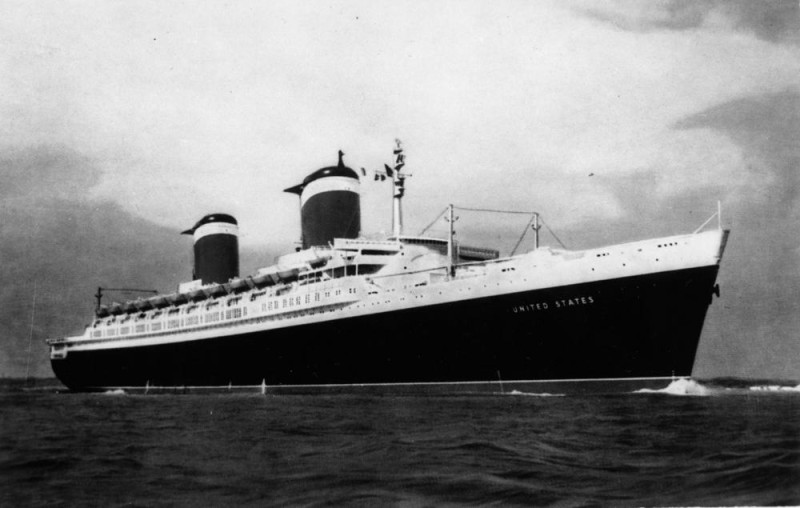
Like a fallen titan, the SS United States, once the fastest ocean liner to cross the Atlantic, is now a faded icon of a bygone era. This vessel, now a faded relic, is embarking on its final voyage, set to create the world's largest artificial reef in the Gulf of Mexico. The ocean liner, known for its speed and military past, will soon be a new underwater habitat, a testament to both history and environmental stewardship.
An Iconic Journey: From Luxury Liners to Military Contributions
The SS United States, an American ocean liner, was constructed between 1950 and 1951. This vessel holds the distinction of being the largest ocean liner built entirely in the United States and the fastest to traverse the Atlantic, earning the Blue Riband for its high average speed. Its construction was backed by the U.S. government in response to the need for a fleet of fast troop transports if the Cold War heated up. The SS United States was not only a luxury liner but also a secret troop transport.
Originally, the SS United States was hailed for its speed and luxury, catering to the elite and providing a swift crossing of the Atlantic. Its design and engineering were cutting-edge for the time, making it a symbol of American technological and industrial prowess. Over the years, the ship faced various ownership changes and periods of inactivity, but its legacy remained intact.
The Final Descent: Transformation into an Artificial Reef
After several years of preparation, the ocean liner SS United States will soon begin its final descent to the ocean floor, approximately 25 miles off the Florida panhandle. This transformation into the world's largest artificial reef is a monumental effort that involves carefully controlled flooding of the ship's compartments to ensure a safe and environmentally sound sinking.
For those eager to witness this historic event, the SS United States will be live-streamed, allowing viewers worldwide to see the ship's final moments above water. The live stream will capture the emotional sendoff ceremony, the ship's departure, and the gradual sinking process, providing a unique and poignant experience for all viewers.
Recently, the sinking date was adjusted to avoid unforeseen weather complications. Initially planned for November 12, the deployment was rescheduled for November 11, 2026, due to forecasted heavy winds and unsafe weather conditions.
The ship's journey from Mobile, Alabama, to its final resting place in the Gulf of Mexico has already begun, with the vessel being towed from its berth ahead of the sinking event. This final voyage marks the end of a storied career for the SS United States, transitioning from a symbol of speed and luxury to an environmental legacy.
Environmental and Cultural Legacy: A New Habitat
The sinking of the SS United States is not just an end but a new beginning. This historical vessel will soon become an artificial reef, providing a rich and diverse habitat for marine life. The ship's vast structure will offer a variety of nooks and crannies for fish and other sea creatures, fostering a thriving underwater ecosystem.
Environmental organizations and marine biologists anticipate that the artificial reef will become a significant ecological asset, supporting biodiversity and potentially attracting new species to the region. The ship's transformation into a reef is a testament to humanity's ability to repurpose historical artifacts for environmental benefit, blending past and future in a single, monumental act.
“The sinking of the SS United States is a pivotal moment for both marine conservation and historical preservation,” said marine biologist Dr. Emily Davis. “It illustrates how we can honor our past while building a sustainable future.”
Divers and marine enthusiasts alike are eagerly awaiting the opportunity to explore the wreck, which will soon become one of the most intriguing and historically significant dive sites in the world. The artificial reef will not only offer a unique diving experience but also educate future generations about the ship's rich history and its new role in marine conservation.
So, as the SS United States takes its final plunge, it leaves behind a legacy that spans both luxury and military service, now reimagined as an environmental sanctuary. What will the future hold for this iconic vessel, now reborn in the depths of the Gulf of Mexico? Will it continue to captivate the imagination of generations to come, or will it fade into the annals of history, a forgotten titan of the seas?
How does this story make you feel?
 Up next · ScienceIle-de-France Braces for Snow Storm as Temperatures Plummet