SEC proposes delay to U.S. stock market opening
The SEC has announced a possible delay to the 9:30 a.m. opening, citing high‑frequency trading risks and market volatility, sparking debate among investors.
Key points
- SEC proposes delaying market opening to reduce high‑frequency trading risks.
- Pre‑market trading could lose relevance if the opening is postponed.
- Investors and traders may need to adjust strategies and schedules.
- Public consultation is open until next week to shape final changes.
- The decision could affect global markets due to financial interconnections.
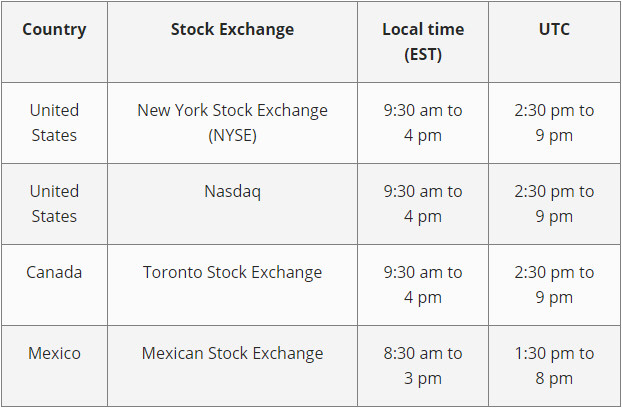
Earlier today, in an unprecedented move, the U.S. Securities and Exchange Commission (SEC) announced a potential delay in the stock market opening time. The announcement, which has sparked considerable debate and market volatility, comes in the wake of recent technological advancements meant to curb trading risks. The shift, if implemented, could significantly impact investors and traders, altering their daily routines and strategies. The stock market traditionally opens at 9:30 a.m. Eastern Time, but the proposed change is set to shake this longstanding norm.
Why the Potential Delay in Stock Market Opening?
The SEC's proposal to delay the stock market's opening time stems from concerns over market volatility and the increasing role of high-frequency trading (HFT). According to the SEC, the early morning hours, just before the market opens, are particularly prone to dramatic price swings. These fluctuations are often driven by HFT algorithms, which can execute trades in milliseconds, creating an uneven playing field for smaller investors. By delaying the opening time, the SEC hopes to reduce these risks and promote a more stable trading environment. In recent times, market participants have been calling for reforms to mitigate the adverse effects of HFT, which could finally be gaining traction with this policy shift.
Impact on Investors and Traders
If the proposed delay becomes a reality, it could have far-reaching implications for investors and traders. For those who rely on pre-market trading to set their positions, the change could disrupt their strategies. Pre-market trading, which typically starts at 4:00 a.m. ET, allows traders to react to overnight developments and set their positions for the day. However, with a delay in the market opening, the pre-market session might lose some of its relevance, potentially leading to a shift in trading strategies.
For instance, traders who have been accustomed to the 9:30 a.m. opening time might need to adjust their routines. They will have more time to analyze the market, but this could also mean longer waiting periods before executing trades. This change could also affect the timing of corporate earnings releases and other significant market events, which are often scheduled around the market's opening time. Investors will need to adapt to these changes, and the market, in turn, will need to evolve to accommodate this new timing.
According to a senior analyst at Fidelity, "The proposed delay in the market opening time is a significant step towards mitigating the risks associated with high-frequency trading. However, it will require a collective effort from market participants to adapt to this change and ensure a smoother transition."
The Road Ahead
A public consultation period is now underway, during which market participants and stakeholders can provide their input on the proposed changes. The outcome of this consultation will determine whether the delay in opening time will be implemented and the specific adjustments that will be made to trading schedules. The SEC's decision will not only impact the U.S. market but also have ripple effects on global markets, given the interconnected nature of financial systems.
The next deadline for providing feedback to the SEC is the end of next week. The market dynamics of December will be worth watching: the holiday season will reveal whether the speculations and adaptations hold up.
Your questions, answered
Why is the SEC considering a delay to the stock market opening?
The SEC says early‑morning volatility driven by high‑frequency trading algorithms could be mitigated by delaying the opening.
How would a delayed opening affect pre‑market trading?
Pre‑market trading, which starts at 4:00 a.m. ET, might lose relevance if the main market opens later, altering traders’ strategies.
How does this story make you feel?
Topics
 Up next · BusinessApplied Materials shares climb amid semiconductor boom