The Dow Jones Industrial Average Plummets: What's Driving the Market Slide?
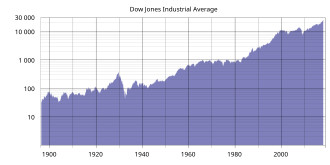
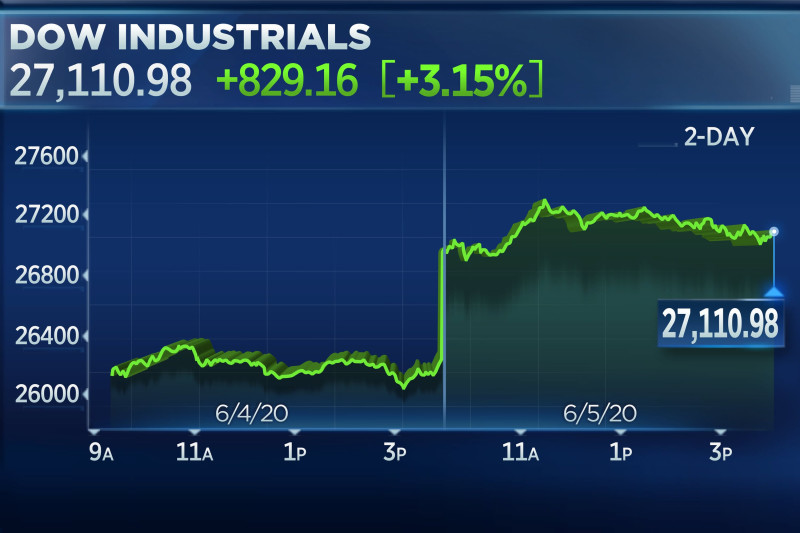
The Dow Jones Industrial Average has been on a tumultuous ride, with recent market data showing a significant slide. The benchmark index, which includes 30 of the largest and most influential companies in the United States, has experienced a noticeable decline, raising concerns among investors and analysts. The market volatility is not an isolated event but part of a broader trend driven by several key factors.
The AI Trade Unwind: A Major Contributor to the Market Slide
The latest Dow Jones Industrial Average news points to the AI trade unwind as a significant contributor to the market turmoil. Recently, there has been a widespread sell-off in AI-related stocks, which has had a ripple effect across the entire market. This unwind is part of a broader trend where investors are becoming more cautious about the long-term prospects of AI-driven companies. As the AI trade continues to unwind, the Dow Jones Industrial Average is feeling the impact, with many tech stocks experiencing significant declines.
Investor Sentiment and Economic Concerns
Expert analysts suggest that the decline in the Dow Jones Industrial Average is also driven by broader economic concerns and changes in investor sentiment. The recent economic reports have painted a mixed picture, with some indicators showing signs of weakness. For instance, the strong June jobs report, which dented expectations for further market growth, has led to a shift in investor sentiment. Investors are now more risk-averse, focusing on more stable and defensive sectors, which has led to a decline in the tech-heavy Dow Jones Industrial Average.
This shift in investor sentiment is part of a broader trend where investors are becoming more selective about their investments, prioritizing companies with strong fundamentals and stable earnings. The Dow Jones Industrial Average has been particularly vulnerable to this shift, as many of the companies in the index are heavily reliant on market sentiment and economic growth.
Company-Specific News and Market Reactions
The Dow Jones Industrial Average is not just affected by macroeconomic factors but also by company-specific news. The market's reaction to the earnings reports of key companies has also contributed to the market slide. For example, Nvidia's quarterly earnings report, which did not meet expectations, has led to a sell-off in tech stocks. Similarly, the upcoming launch of Anthropic's stock is expected to further impact the market, as investors wait for more clarity on its performance and prospects.
“The market is in a state of flux, and investors are reacting to both macroeconomic trends and company-specific news. The AI trade unwind, coupled with broader economic concerns, is driving the market slide, and the Dow Jones Industrial Average is feeling the impact.” - Anonymous Analyst
Let's not kid ourselves, the market's reaction to these events is not just a temporary blip. The broader economic trends and company-specific news are interlinked, and the Dow Jones Industrial Average is at the epicenter of this storm. The recent market slide is a warning sign that investors need to pay close attention to the underlying fundamentals and not just rely on market sentiment.
Here's what nobody's asking: What if the current market slide is not just a temporary correction but a sign of a broader economic shift? Could the Dow Jones Industrial Average be signaling a more prolonged period of volatility, and how should investors prepare for this potential scenario? The data is damning, and the market is sending a clear message that investors need to be more cautious and selective in their investments.
The Dow Jones Industrial Average is currently experiencing a significant slide, driven by the AI trade unwind, broader economic concerns, and company-specific news. Investors need to stay vigilant and monitor the latest market developments to navigate this challenging environment. The market is at a critical juncture, and the future direction of the Dow Jones Industrial Average will depend on how these factors play out in the coming weeks.
How does this story make you feel?
 Up next · BusinessHome Depot names Richard McPhail CEO as Ted Decker steps down