The iShares Semiconductor ETF (SOXX) Volatility: What Investors Need to Know
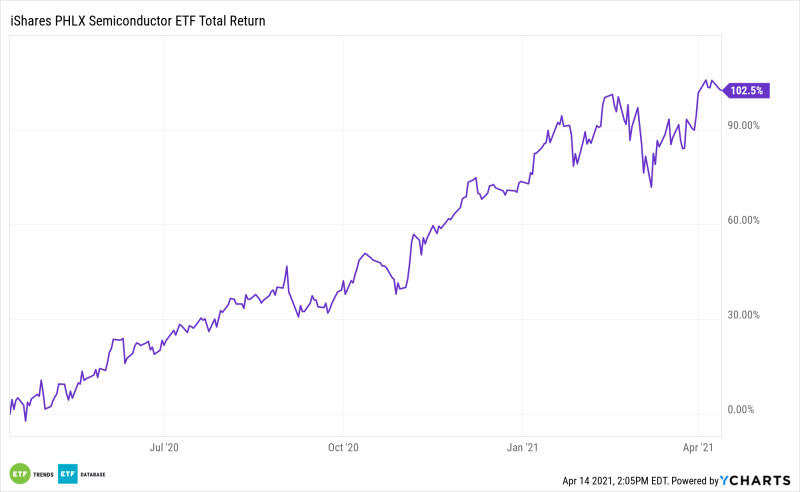
The Nasdaq floor is a symphony of silent chaos. In the fluorescent glare of the briefing room, eyes flicker between screens, each displaying a web of lines and numbers that dance to the rhythm of market sentiment. One number stands out: 35.6%. It’s not an error, but the stark reality of the iShares Semiconductor ETF (SOXX) and DRAM’s recent decline from their highs, which is the topic of today's buzz.
Understanding the Decline in SOXX and DRAM
The semiconductor sector has been a rollercoaster ride of late, with the iShares Semiconductor ETF (SOXX) and the Roundhill Memory ETF (DRAM) experiencing significant drops from their peaks. Just recently, SOXX and DRAM saw their values plummet by 35.6% and 51.9% respectively, leaving investors and analysts alike scrambling for answers. — The decline is particularly concerning for those invested in semiconductor stocks, a sector known for its volatility and sensitivity to global economic conditions. The ETFs are down between 24% and 42% from their highs, indicating a broader industry-wide trend.
Market Sentiment and Volatility
Analysts have been quick to point out that the decline in SOXX and DRAM is part of a larger trend affecting the semiconductor sector. The Nasdaq correction has hit hard, with many semiconductor stocks taking a significant hit. Experts suggest that investors should consider alternative ETFs for semiconductor exposure, such as the Vanguard ETF, which has shown resilience in the face of market volatility. The Nasdaq correction has been particularly harsh on semiconductor stocks, with many analysts predicting further declines in the near term. — The Nasdaq correction has been particularly harsh on semiconductor stocks, with many analysts predicting further declines in the near term. — The sector’s volatility is a reflection of broader economic uncertainties, including geopolitical tensions and supply chain disruptions.
Looking Ahead: What’s Next for SOXX and DRAM?
Despite the current downturn, there are still reasons for optimism in the semiconductor sector. The recent surge in AI-driven innovation has created new opportunities for semiconductor stocks. ETFs like DRAM, QQQ, QQQM, and SOXX have seen massive inflows and gains tied to semiconductors and memory chips, highlighting the sector's potential for growth. The sector's resilience in the face of recent sell-offs is a testament to its long-term prospects. For investors, this could provide an opportunity to buy into the sector at a discount, positioning themselves for potential future gains. — But for now, the market remains unpredictable, and investors are advised to tread carefully, keeping a close eye on market movements and expert analyses. — In recent times, semiconductor stocks have shown remarkable resilience, with some even experiencing gains despite the broader market downturn.
“The choice between the Roundhill Memory ETF (CBOE:DRAM) and the iShares Semiconductor ETF (NASDAQ:SOXX) looks like a semiconductor exposure decision, but it is really a question about how much you are willing to bet on the memory chip market versus the broader semiconductor sector,” says Daniel Foelber, an analyst at The Motley Fool.
How does this story make you feel?
 Up next · BusinessVIX Jumps to 40 Amid AI Stock Selloff, Near Crisis Levels