May Jeong and the Controversy Surrounding the Vanity Fair Taylor Swift Profile
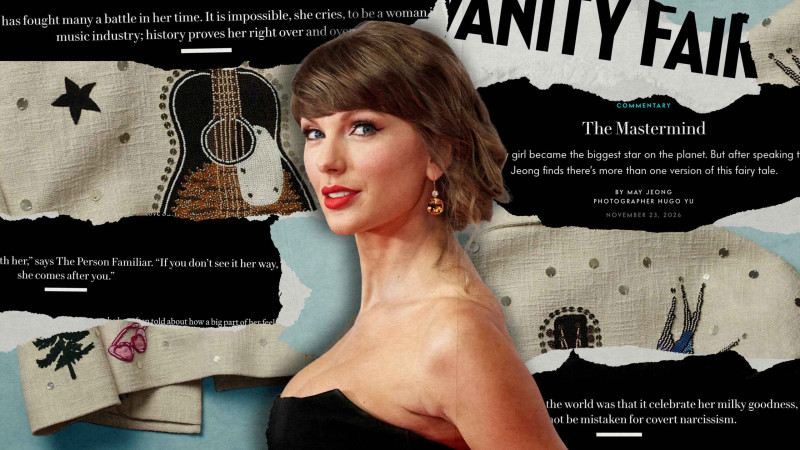
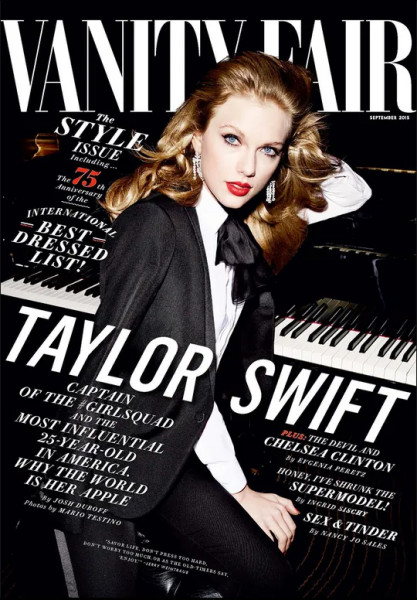
In the relentless spotlight of recent times, one name has dominated the headlines across social media and news outlets: May Jeong. The journalist has recently found herself in the eye of a storm due to her controversial profile on Taylor Swift, published in Vanity Fair. The article, titled "The Mastermind," has sparked a torrent of reactions from Taylor Swift's fans and the media alike, questioning the author's intentions and the veracity of her portrayal.
The Stormy Reception of 'The Mastermind'
The controversy surrounding the Vanity Fair article began almost immediately after its publication, with fans of Taylor Swift — affectionately known as Swifties — taking to social media to voice their dissatisfaction and disbelief. The article, written by May Jeong, was widely perceived as a scathing hit piece, filled with anecdotes from Swift's past that painted her in a negative light. Fans were quick to point out what they saw as inaccuracies and biased reporting, leading to a wave of criticism directed at Jeong and the publication.
Swifties, known for their loyalty and investigative skills, didn't hesitate to dig deeper into the claims made in "The Mastermind." According to available reports, fans took to online forums and social media platforms to scrutinize the article, questioning the credibility of the sources and the motives behind the story. The scrutiny intensified as fans discovered that the article's sources included former classmates and acquaintances who had long-standing grudges against Swift, potentially skewing the narrative.
May Jeong, a journalist known for her investigative work, found herself at the center of a media firestorm as Swifties and other critics began to question her journalistic integrity. The backlash was fueled by the perception that the article was highly biased and did not reflect the true nature of Swift, a celebrity known for her meticulous planning and control over her narrative. —The criticism didn't stop at the content of the article; it also extended to the publication itself, with some fans calling for a retraction or correction.
Swift's Response and the Fan Backlash
In the wake of the article's publication, Taylor Swift remained characteristically silent on the matter, neither confirming nor denying the claims made against her. However, her fans were not so reticent. Swifties, known for their dedication and activism, took matters into their own hands. —They launched campaigns and online petitions, demanding a retraction of the article and an apology from both Jeong and Vanity Fair.
The fan backlash was unprecedented in its scope and intensity—social media platforms were inundated with hashtags and posts criticizing the article. Swifties, leveraging their vast online communities, organized boycotts and protests, amplifying their voices to demand accountability from the publication and the journalist. The storm reached a fever pitch when fans began to analyze the article's sources, revealing that many of the anecdotes and quotes were sourced from individuals with a clear vendetta against Swift.
May Jeong, who had initially defended her work as thorough and well-researched, found herself on the defensive. The scrutiny intensified as more details about her sources and methods came to light. Fans questioned the journalistic ethics of relying on such biased sources and called for greater transparency in the reporting process.
The situation escalated further when Vanity Fair, rather than addressing the concerns raised by Swifties, seemed to double down on its stance. The publication defended the article, citing its journalistic standards and the right to free press. However, this only served to exacerbate the tensions, with fans accusing the publication of protecting its own and ignoring the mounting evidence of bias and inaccuracy. The situation has left many wondering about the future of investigative journalism and the role of fan activism in shaping public discourse.
The Future of Investigative Journalism and Fan Activism
The controversy surrounding the Vanity Fair article and May Jeong's role in it has sparked a broader discussion about the future of investigative journalism and the power of fan activism. As media landscapes continue to evolve, so too does the relationship between journalists and their audiences. The Swifties' response to the Vanity Fair article has highlighted the growing influence of online communities in shaping public opinion and holding media outlets accountable. —It has also raised important questions about the ethics of journalism, particularly when it comes to reporting on high-profile celebrities and public figures.
Looking ahead, it will be interesting to see how this influential narrative unfolds. Will Vanity Fair and May Jeong respond to the criticism and make amendments? How will Swifties continue to use their collective voice to advocate for fairness and accuracy in media reporting? The tensions surrounding the article and its aftermath have left many questions unanswered, but one thing is clear: the world of journalism and fan activism has been forever transformed.
How does this story make you feel?
 Up next · EntertainmentMiss Universe 2026: Your Guide to Watching the Pageant